

Bertone
Bertone is one of Italy's most celebrated coachbuilding and design houses, responsible for some of the most iconic automotive shapes of the twentieth century. Founded in Turin in 1912, Bertone clothed the mechanical brilliance of Alfa Romeo, Lamborghini, Ferrari, and Fiat in bodywork that redefined what cars could look like — combining aerodynamic intelligence with pure visual drama.
Origins & Heritage
Bertone was founded in 1912 by Giovanni Bertone in Turin, Italy — then the emerging capital of Italian automotive manufacturing. The company began as a traditional carrozzeria, crafting bespoke bodies for wealthy clients on chassis provided by major manufacturers. Giovanni's son Nuccio Bertone, who took control in the 1950s, transformed the firm from a respected coachbuilder into one of the most creatively important design studios in the world, hiring legendary designers including Giorgetto Giugiaro, Marcello Gandini, and Franco Scaglione.
The defining era of Bertone's greatness spanned the 1960s and 1970s, when the studio produced a remarkable succession of landmark designs. The Alfa Romeo Giulia Sprint GT of 1963 defined elegant Italian GT style. The Lamborghini Miura of 1966 — widely considered the world's first supercar — was a Bertone creation under Gandini. The Lamborghini Countach of 1971 took automotive design to a new dimension with its radical wedge form and scissor doors, establishing a visual language for performance cars that endures to this day.
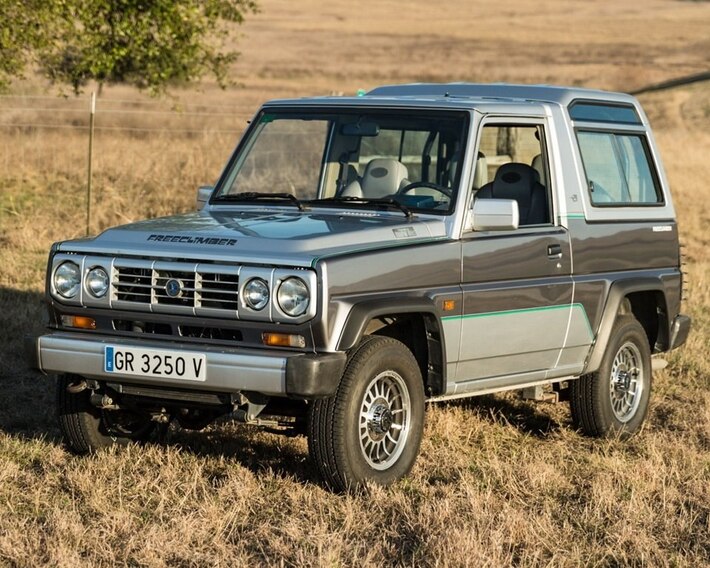
Beyond Lamborghini, Bertone's portfolio reads as a catalogue of automotive art: the Alfa Romeo Montreal, the Fiat X1/9, the Citroën BX, the Lancia Stratos, and the Ferrari 308 GT4. These designs collectively demonstrate Bertone's ability to serve the widest range of manufacturers while consistently delivering designs of the highest originality and aesthetic quality. The studio also produced cars under its own Bertone badge, including the Freeclimber SUV of 1988.
Key Milestones
Legendary Designs
From the purity of the Giulia Sprint GT to the dramatic geometry of the Countach, Bertone's designs span six decades of transformative automotive art.
Notable Designs & Own-Brand Models
Bertone's output spans production cars designed for major manufacturers and a small number of vehicles produced under the Bertone badge itself.
Design Philosophy & Innovation
Bertone's enduring technical and creative contribution lies in its consistent ability to translate mechanical engineering into emotional, sculptural forms. The studio pioneered the wedge-shaped supercar aesthetic, advanced aerodynamic principles in production design, and brought new materials and construction techniques into the coachbuilding tradition.
- Pioneering wedge-form aerodynamic design language — first fully realised in the Carabo concept (1968) and perfected in the Countach (1971)
- Advanced lightweight construction techniques including aluminium and composite panels integrated with steel spaceframe structures
- Wind tunnel-influenced exterior surfacing on production designs well before computational fluid dynamics tools were commonplace
- Interior design innovation — ergonomic cockpit layouts and driver-focused instrument clusters that influenced Italian sports car interiors across the industry
Bertone's Legacy in Azerbaijan & the Region
While Bertone as a manufacturing entity no longer exists, the cars it designed remain among the most desirable and collectible classics on the global market. In Azerbaijan, Bertone-designed vehicles — particularly Alfa Romeo and Lamborghini models from the 1960s and 1970s — are highly sought after by collectors and enthusiasts who appreciate the golden era of Italian automotive design.
The Bertone legacy lives on through the continued demand for its greatest designs and the influence those designs have had on modern Italian and European sports car aesthetics. Any collector in Baku seeking a piece of automotive history would find Bertone-designed classics to be among the most rewarding investments available.
Why Bertone Matters
- Unmatched design legacy: Responsible for some of the most important and influential automotive shapes of the twentieth century — from the Giulia GT to the Countach.
- Collaboration with the greatest manufacturers: Alfa Romeo, Lamborghini, Ferrari, Fiat, Citroën, and Lancia all trusted Bertone with their most prestigious and visionary projects.
- Visionary design talent: Nuccio Bertone's ability to identify and nurture talent — Giugiaro, Gandini, Scaglione — produced a creative output unmatched by any rival studio.
- Collectible own-brand models: The Freeclimber and other Bertone-badged vehicles occupy a unique niche as authentic Italian-designed collector's cars with genuine historical significance.
BakuWheels uses cookies to improve your experience, analyse site traffic, and personalise content. By clicking Accept All, you consent to our use of cookies. Learn more in our Cookie Policy.