

Cord
The car that rewrote the rules of American luxury — front-wheel drive, hidden headlights, and streamlined beauty that was decades ahead of its time.
Origins & Heritage
Cord was established in 1929 as part of the Errett Lobban Cord empire, which also controlled Auburn Automobile Company and Duesenberg. Based in Auburn, Indiana, the brand was created to slot between the mainstream Auburn and the ultra-exclusive Duesenberg, offering genuine luxury and technical innovation at a price accessible to successful professionals and businesspeople of the era.
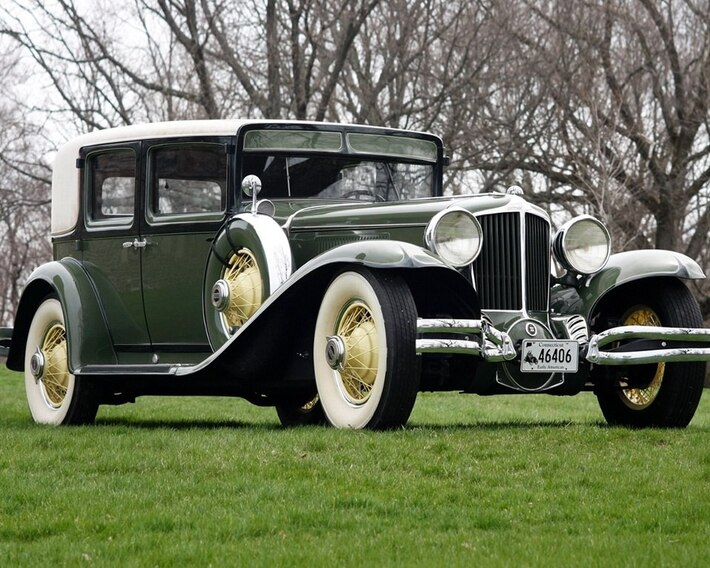
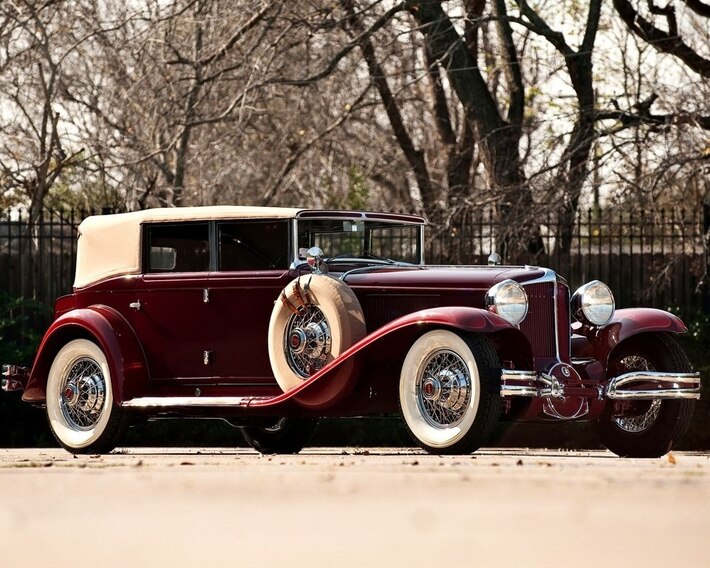
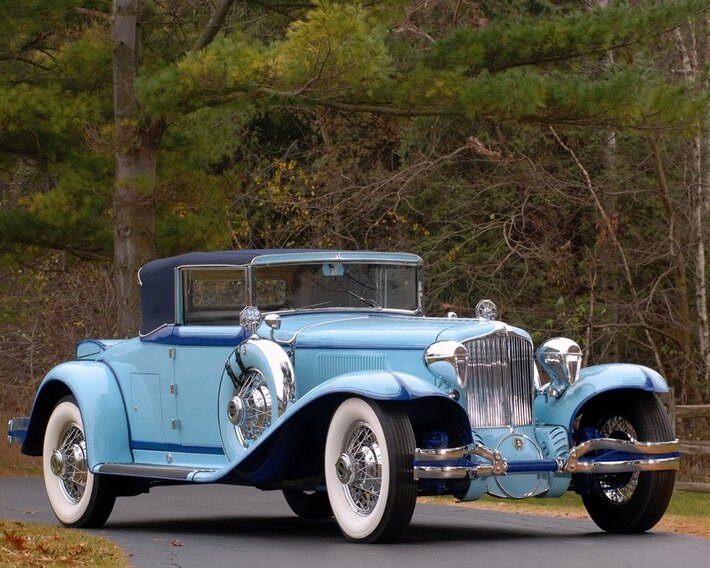
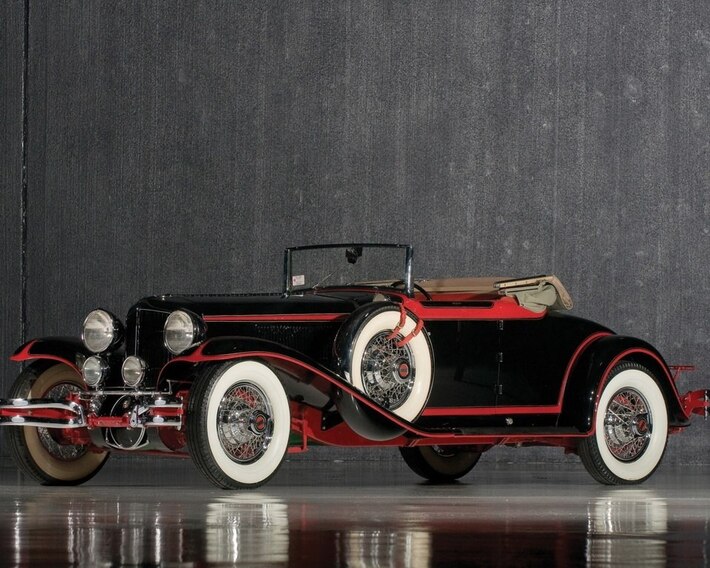
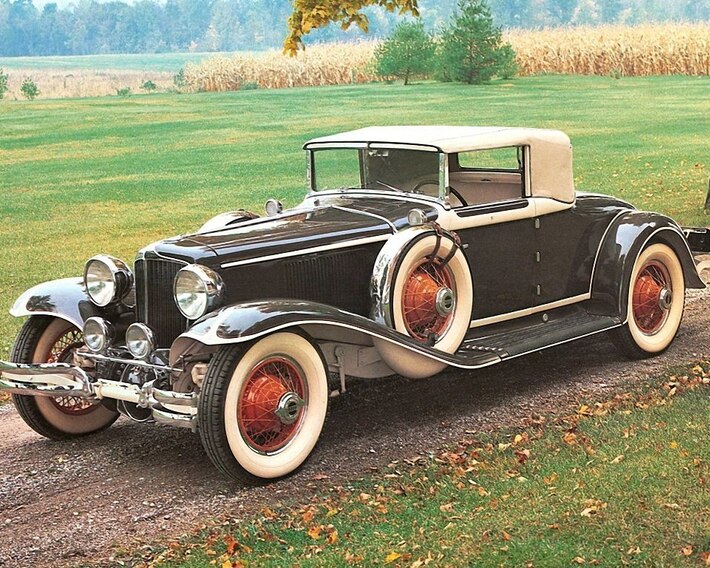
The first Cord model, the L-29, was a sensation. Designed by Al Leamy, it sat lower to the ground than any comparable American car of its era thanks to its front-wheel-drive layout — a genuinely radical engineering choice in 1929 when most American cars used conventional rear-wheel drive. The long, low bodywork and absence of running boards gave the L-29 an appearance of speed and modernity that its rivals could not match.
After a production hiatus during the early Depression years, Cord returned in 1936 with the iconic 810 and 812 models — cars so advanced in their styling that they remain design classics nearly a century later. Designed by Gordon Buehrig, the 810 featured retractable "clamshell" headlights, a distinctive coffin-nose hood, and pontoon fenders. The Cord 812 Supercharged was among the fastest cars available in America at the time. Financial difficulties forced the company to cease production in 1937, leaving behind a legacy that continues to inspire automotive designers today.
Key Milestones
Landmark Models
Cord produced only two model lines in its brief eight-year history, but both became iconic milestones in automotive design.
Engineering Innovations
Cord vehicles were technically remarkable for their era, particularly in their use of front-wheel drive at a time when this layout was essentially unknown in American production vehicles. The engineering team under Cornelius van Ranst solved the inherent challenges of front-wheel-drive traction and packaging in ways that influenced automotive engineers for decades.
- Front-wheel drive — the L-29 used a unique chain-and-sprocket transaxle system to drive the front wheels, eliminating the conventional driveshaft and allowing a dramatically lower body
- Retractable headlights — the 810/812 featured vacuum-operated pop-up headlights operated by small hand cranks, predating their widespread adoption by 30 years
- Unit-body construction — the 810/812 used a form of unibody construction at a time when most American cars used separate body-on-frame architecture
- Semi-automatic transmission — the 810 used an electric pre-selector gearbox that allowed gearchanges with a fingertip touch, a luxury feature unique in American production cars
Cord in Azerbaijan
Cord vehicles are extremely rare in Azerbaijan — only a tiny number of restored examples exist worldwide, and almost none have found their way to the Caucasus region. Cord is known primarily as a collector's icon and a study in American automotive design history rather than a practical marque encountered in everyday motoring.
For Azerbaijani automotive historians and design enthusiasts, Cord represents one of the most dramatic episodes in American industrial history: a company that produced genuinely revolutionary vehicles but was destroyed by the economic upheavals of the 1930s. Its influence on the aerodynamic car design that emerged after World War II was profound and lasting.
Why Cord Remains Significant
- Front-wheel drive pioneer: The Cord L-29 introduced front-wheel-drive to American production cars in 1929 — a layout that now dominates the global car market. Cord understood its advantages over eight decades before most manufacturers adopted it.
- Design masterpiece: The Cord 810 is routinely cited by automotive historians as one of the most beautiful cars ever made. Its influence on streamlined car design of the late 1930s and 1940s is directly traceable.
- Technical ambition: Retractable headlights, unit-body construction, and electric gearbox pre-selectors — Cord packed an extraordinary number of genuine innovations into cars produced in very limited numbers over a very short period.
- Cultural significance: The Cord name resonates throughout American car culture as a symbol of ambition, beauty, and the cruel cost of innovation ahead of its time. Its story remains one of the most compelling in the history of the automobile.
Cord in Pictures
Browse images of the Cord lineup available in Azerbaijan.
BakuWheels uses cookies to improve your experience, analyse site traffic, and personalise content. By clicking Accept All, you consent to our use of cookies. Learn more in our Cookie Policy.