
Dodge
Dodge was never subtle and never claimed to be. American muscle, deliberately excessive horsepower, and a brand identity built on the principle that more is more.
Origins & Heritage
The Dodge Brothers Company was founded in 1900 by John and Horace Dodge in Detroit — initially as a machine shop supplying components to Olds Motor Vehicle Company and later, crucially, to Henry Ford's fledgling Ford Motor Company. The brothers became Ford's most important suppliers before falling out spectacularly and launching their own car in 1914.
The first Dodge automobile was a deliberately better-engineered car than Ford's Model T: all-steel body, electric starter, 12-volt electrical system. It succeeded immediately. The Dodge Brothers died within months of each other in 1920; the company passed through several owners before Chrysler acquired it in 1928 — a relationship that, through mergers and rebranding, makes Dodge today a Stellantis brand.
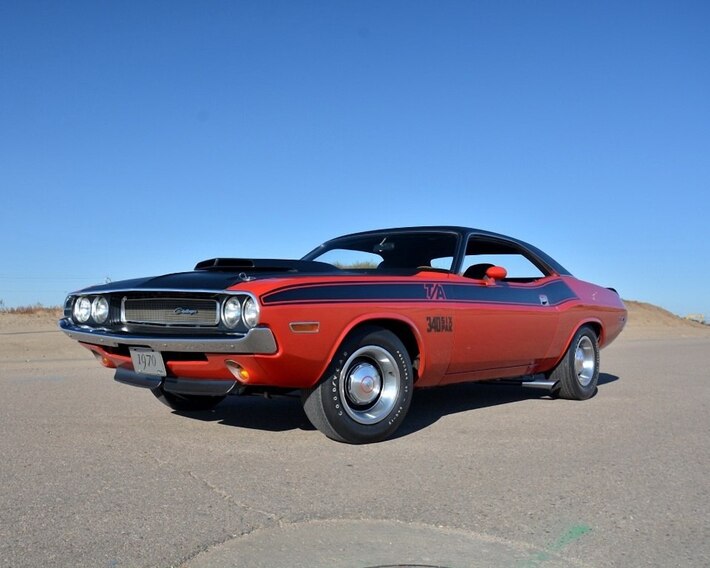
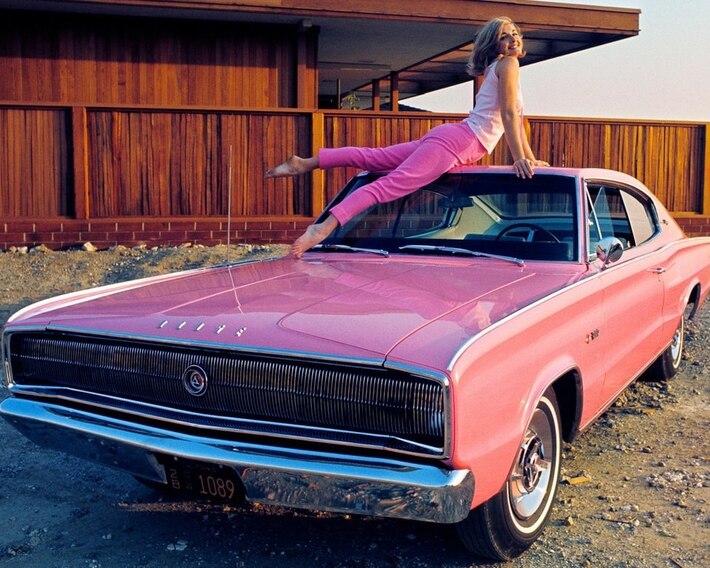
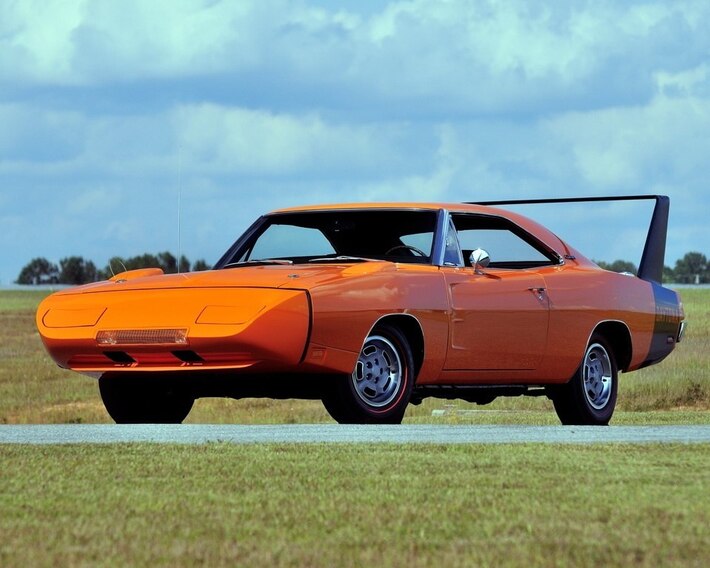
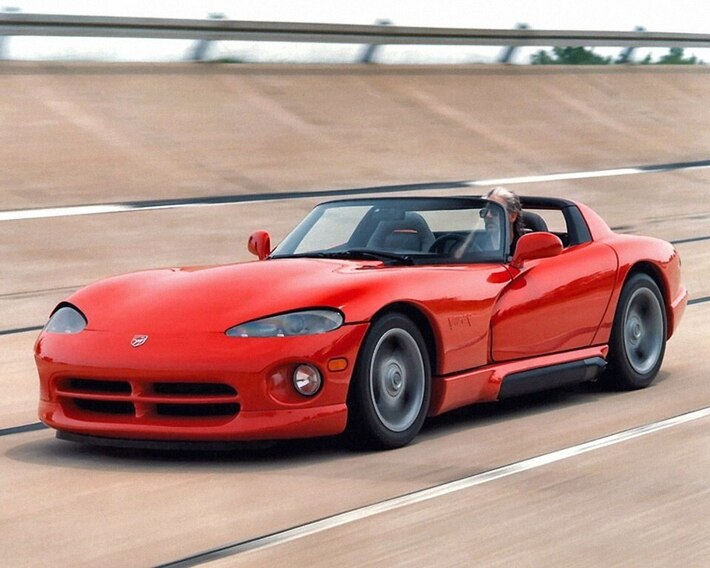
Dodge's modern identity was forged in the muscle car era of the 1960s and 1970s. The Charger and Challenger gave Dodge an emotional personality that transcended quarterly sales figures — these were cars that meant something culturally. The Viper, launched in 1992, extended that personality into supercar territory. Today, as the internal combustion era draws to a close, Dodge is making the loudest possible noise on the way out.
Key Milestones
Model Lineup
Gallery
The Hellcat Legacy
The supercharged 6.2-litre Hemi Hellcat engine, introduced in 2015 with 707 hp, redefined what American muscle meant in the modern era. At a price point far below European performance cars, it delivered supercar-challenging acceleration in bodies that could carry families and haul cargo.
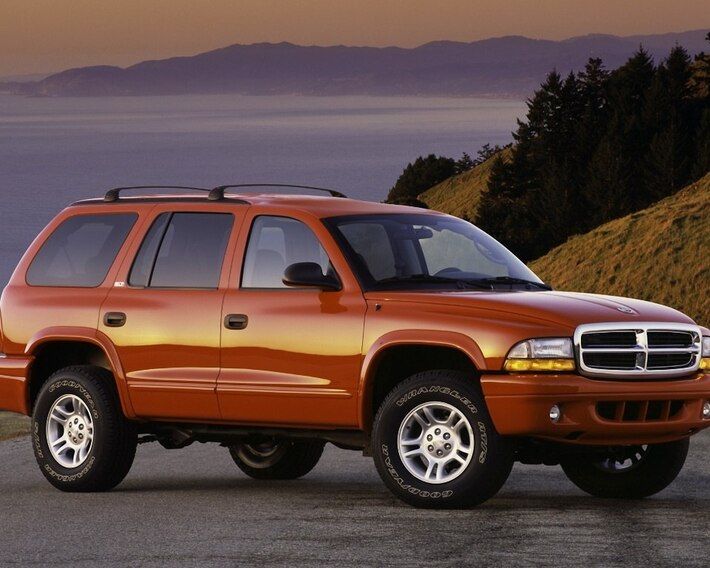
The Hellcat variants — Challenger, Charger, Durango, and ultimately the Demon and Demon 170 — became automotive cultural phenomena. Dodge was not trying to build refined GT cars; it was building the loudest, most viscerally exciting vehicles it could imagine, and a generation of enthusiasts responded with genuine devotion.
- Supercharged 6.2L Hellcat Hemi V8 (707 hp)
- SRT Performance Pages — real-time performance data
- Launch Control and Line Lock systems
- Adaptive damping suspension (SRT models)
- Brembo six-piston front brakes
Dodge in Azerbaijan
Dodge's appeal in Azerbaijan is concentrated but passionate. American muscle cars carry a cultural cachet distinct from European or Japanese performance — they represent a different philosophy of driving, a different aesthetic, and a soundtrack unlike anything produced elsewhere. The Charger and Challenger are recognisable to Azerbaijani car enthusiasts who have encountered them through American film and television.
Pre-owned Dodge Hellcat and Viper models appear regularly in the Azerbaijani market through private import. Parts availability and specialist service are more limited than European brands, but dedicated owners consider this part of the ownership experience. For buyers seeking a car that generates attention and conversation without matching European luxury pricing, Dodge remains compelling.
Why Choose Dodge?
- Raw performance at accessible price: The Hellcat delivers supercar-grade acceleration at a fraction of European hypercar pricing — the performance-per-dollar ratio is unmatched.
- American muscle heritage: Charger and Challenger carry 60 years of cultural history — these are not just cars but artefacts of American automotive identity.
- Distinctive character: No Dodge product is mistaken for a European or Japanese rival — the design language, sound, and performance character are uniquely American.
- Viper legacy: The Viper demonstrated that American engineering could produce a world-class supercar competitor — its Nürburgring records remain remarkable.
- Community and culture: Dodge ownership connects buyers to a genuinely enthusiastic international community of Mopar fans and drag racing devotees.
- Hellcat collectibility: As production ended, Hellcat-specification cars have begun appreciating — the final-year Demons and Last Call editions are already collector items.
BakuWheels uses cookies to improve your experience, analyse site traffic, and personalise content. By clicking Accept All, you consent to our use of cookies. Learn more in our Cookie Policy.