

Geo
General Motors' dedicated small-car and fuel-efficient vehicle division — an innovative response to growing American demand for economical, imported-quality compacts.
Origins of Geo
Geo was established by General Motors in 1989 as a dedicated sub-brand for small, fuel-efficient vehicles. The creation of Geo came in direct response to the growing success of imported Japanese compact cars in the American market — vehicles like the Honda Civic and Toyota Corolla that offered reliability, fuel economy, and quality that American manufacturers were struggling to match.
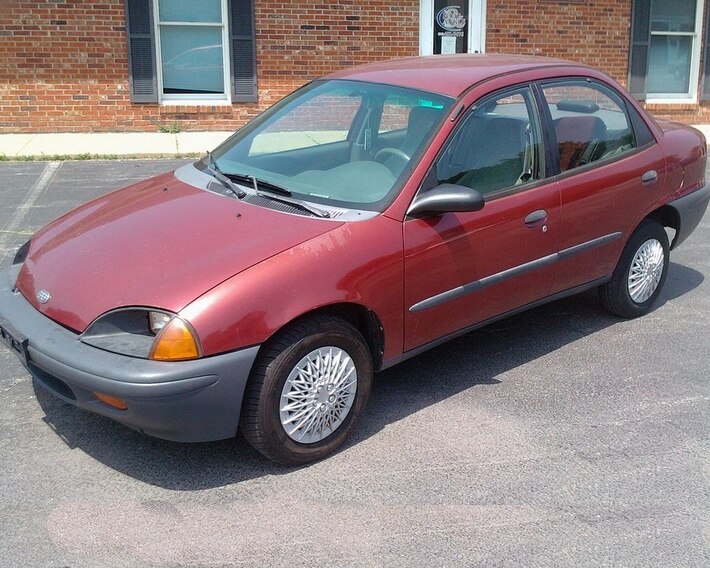
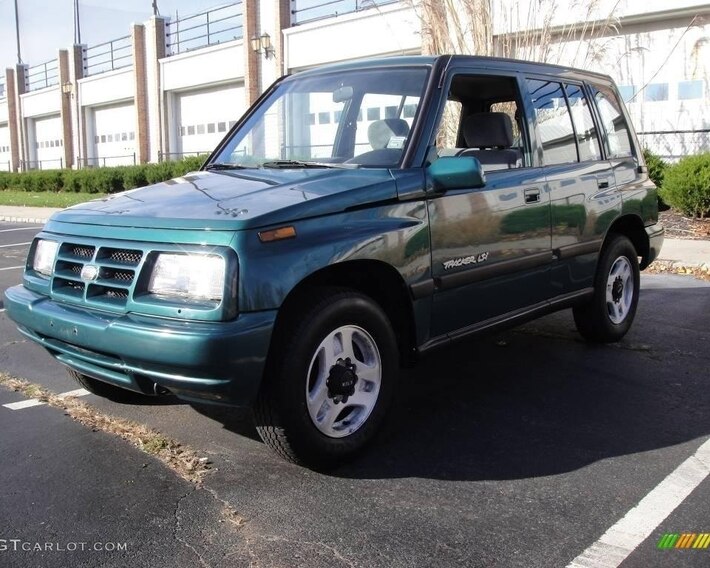
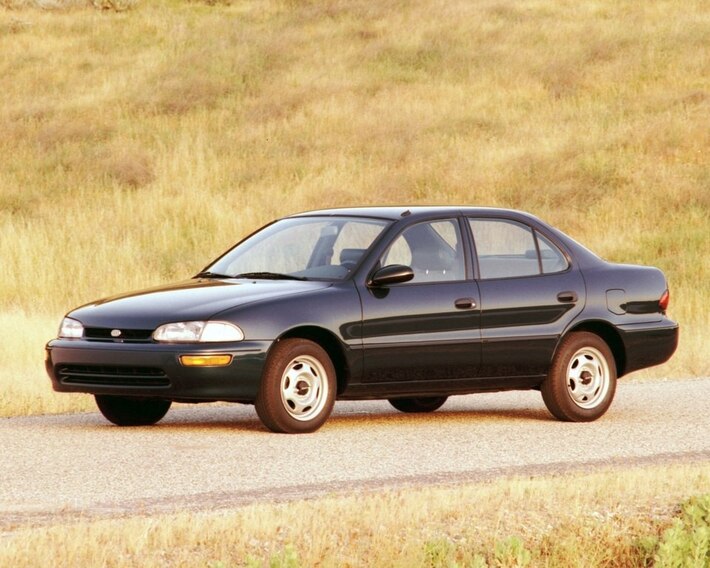
Rather than developing its own small cars from scratch, GM took a pragmatic approach: Geo vehicles were primarily badge-engineered versions of cars produced by GM's Japanese partners — Suzuki (the Geo Metro), Toyota (the Geo Prizm), and Isuzu (the Geo Spectrum/Storm). This allowed GM to offer genuinely competitive, Japanese-engineered small cars under an American brand while its own engineers worked to close the quality gap.
Geo operated until 1997, when GM folded its models back into the Chevrolet range. The brand's eight-year life demonstrated both the viability of badge engineering as a market strategy and the limits of that approach — ultimately, customers who wanted Japanese quality preferred to buy from established Japanese brands rather than American-branded versions of the same vehicles.
Key Milestones
Notable Models
Geo's lineup consisted of fuel-efficient small cars and one sporty compact, all sharing Japanese engineering origins through GM's international partnerships.
Technology & Engineering
Geo's engineering was, in most cases, directly inherited from its Japanese development partners — giving the brand access to the best small-car technology available from GM's joint ventures.
- Suzuki-derived three-cylinder engine in the Metro — tiny, efficient, and technically interesting; one of the smallest production car engines sold in America
- Toyota Corolla platform underpinning the Prizm — proven, reliable, and well-refined, providing class-leading quality from a domestic-branded vehicle
- Isuzu Impulse platform for the Storm — a more sophisticated sports coupe architecture with independent rear suspension for genuine handling ability
- Catalytic converter fitted as standard across the range — ensuring compliance with American emissions standards while maintaining competitive fuel economy figures
Geo in Azerbaijan
Geo vehicles are not commonly found in Azerbaijan. As an American-market-specific brand discontinued in 1997, Geo models were rarely exported to other regions. Any examples in Azerbaijan would be rare finds, likely brought in by individuals who lived or worked in North America.
The Geo story is, however, highly relevant to Azerbaijani automotive market analysis: it illustrates how established manufacturers can successfully address demand for small, economical vehicles through international partnerships — a model that has since been adopted by numerous manufacturers serving markets where fuel costs and compact dimensions are primary purchase criteria.
Why Geo Matters
- Strategic badge engineering: Geo demonstrated that established manufacturers can effectively compete in segments where they lack development expertise by leveraging global partnerships — a strategy subsequently adopted by brands worldwide.
- Fuel economy leadership: The Geo Metro's extraordinary fuel economy set a standard for affordable small-car efficiency that influenced American buyer expectations and manufacturer priorities for years after the brand's discontinuation.
- Joint-venture significance: Geo's vehicles were physical evidence of GM's complex network of Japanese automotive partnerships — relationships that shaped American small-car development and market competition through the 1980s and 1990s.
- Market positioning lesson: Geo's ultimate absorption into Chevrolet illustrated the commercial difficulty of maintaining multiple sub-brands in a segment where brand identity is less important than product quality and price competitiveness.
makes.geo.galleryTitle
makes.geo.galleryDesc
BakuWheels uses cookies to improve your experience, analyse site traffic, and personalise content. By clicking Accept All, you consent to our use of cookies. Learn more in our Cookie Policy.