

Holden
For more than seven decades, Holden built cars that defined Australian motoring — from the FX of 1948 to the last Commodore in 2017, each one bearing the pride of a nation's automotive ambition.
Origins of Holden
James Alexander Holden established a saddlery business in Adelaide, South Australia, in 1856 — a business that evolved over generations from leatherwork to body manufacturing. The company's automotive chapter began after World War I when Holden's Motor Body Builders began producing automobile bodies for a range of manufacturers. In 1931, General Motors acquired the company, creating General Motors-Holden's. The pivotal moment came in 1948 when Prime Minister Ben Chifley drove the first fully Australian-designed and manufactured car — the Holden FX — off the production line at Fishermens Bend in Melbourne.
The Holden FX was more than a car — it was a declaration of national industrial maturity. For the first time, Australia was manufacturing a complete automobile from its own soil, using its own labour, for its own people. The slogan 'Australia's Own Car' resonated deeply with a post-war nation proud of its industrial capability and determined to develop a competitive manufacturing sector. Successive generations of Holden — the FC, FB, EH, Torana, Kingswood, Commodore — became embedded in Australian life as the vehicles of choice for families, fleets, and performance enthusiasts. The V8 Commodore in particular became a symbol of Australian muscle car culture, competing in the Bathurst 1000 endurance race and generating passionate loyalty.
The 21st century brought increasing economic pressure on Australian automotive manufacturing. Rising costs, a strong Australian dollar, declining tariff protection, and competition from imported vehicles made domestic production increasingly unviable. Ford Australia closed its manufacturing operations in 2016, followed by Toyota Australia in 2017. Holden's Elizabeth plant produced its last vehicle — a Commodore — in October 2017, ending 69 years of Australian car manufacturing. General Motors discontinued the Holden brand entirely in February 2020, a decision that prompted profound national mourning across Australia.
Key Milestones
Notable Models
Holden's model history spans seven decades of Australian motoring — from post-war family cars to celebrated performance models that defined the nation's automotive culture.
Technology & Engineering
Holden's engineering teams developed vehicles specifically optimised for Australian conditions — long distances, extreme heat, varied road quality, and the particular demands of a large, sparsely populated continent.
- Large-displacement V8 engines developed specifically for Australian conditions — optimised for long-distance highway cruising at sustained speeds across the vast distances that characterise Australian travel
- Distinctive Australian styling and packaging — interior dimensions and equipment specifications tailored to Australian buyer preferences, developed through local market research rather than simply adapting international platforms
- Advanced suspension tuning for Australian roads — Holden's engineering teams developed suspension calibrations for the specific mix of smooth highways, corrugated outback tracks, and urban roads that Australian drivers encounter
- Performance subsidiary HSV (Holden Special Vehicles) — a dedicated engineering team that developed high-performance variants of standard Holden models, producing some of the fastest production sedans and utes in the world during the 1990s and 2000s
Holden in Azerbaijan
Holden vehicles were never officially sold in Azerbaijan. As a brand produced exclusively for the Australian, New Zealand, and select South-East Asian markets, Holden had no export presence in the South Caucasus or broader Middle Eastern region. Rare examples owned by enthusiasts with Australian connections may exist privately.
For Azerbaijani automotive enthusiasts, Holden represents one of the great national automotive stories — a country that built a complete domestic car industry from nothing, sustained it for seven decades against international competition, and then watched it conclude not because the engineering was inferior but because global economic forces made local production unviable. It is a story with lessons relevant to any emerging automotive market.
Why Holden Matters
- National industrial achievement: The Holden FX of 1948 represented Australia's declaration of automotive independence — a fully domestically designed and manufactured vehicle that demonstrated a young nation's industrial capability and ambition.
- Cultural identity through engineering: Few automobile brands achieved the cultural resonance of Holden in Australia — the Commodore and Monaro became as integral to Australian identity as any sporting achievement or cultural institution, representing the nation's engineering pride.
- Performance engineering in a mainstream brand: Holden's V8 Commodores and HSV performance variants demonstrated that a volume mainstream manufacturer could develop world-class performance engineering — vehicles that competed on equal terms with European and American performance brands.
- The cost of globalisation: Holden's closure illustrates the challenge facing all mid-sized national automotive manufacturers in a globalised world — the difficulty of maintaining domestic production when scale advantages favour international platforms. Its story is relevant to any nation assessing the economics of automotive self-sufficiency.
Iconic Models in Pictures
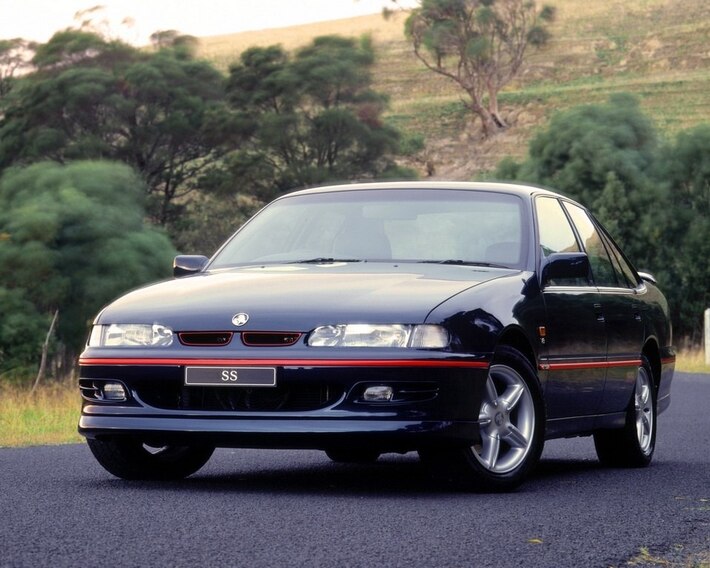
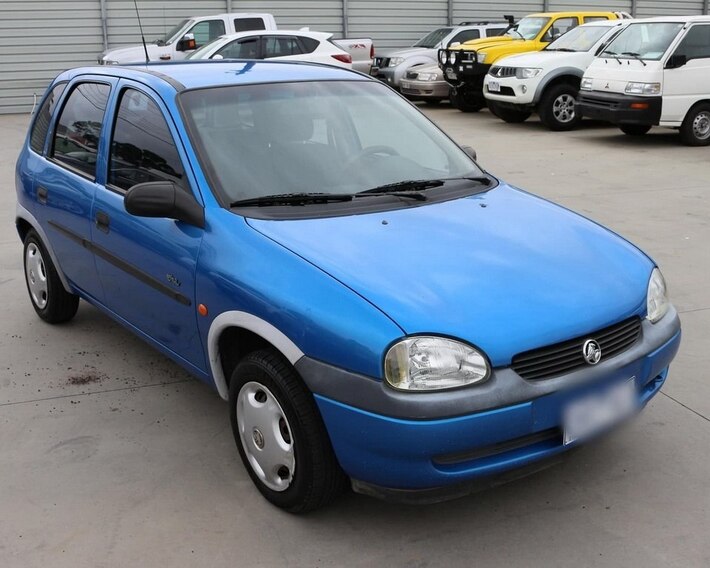
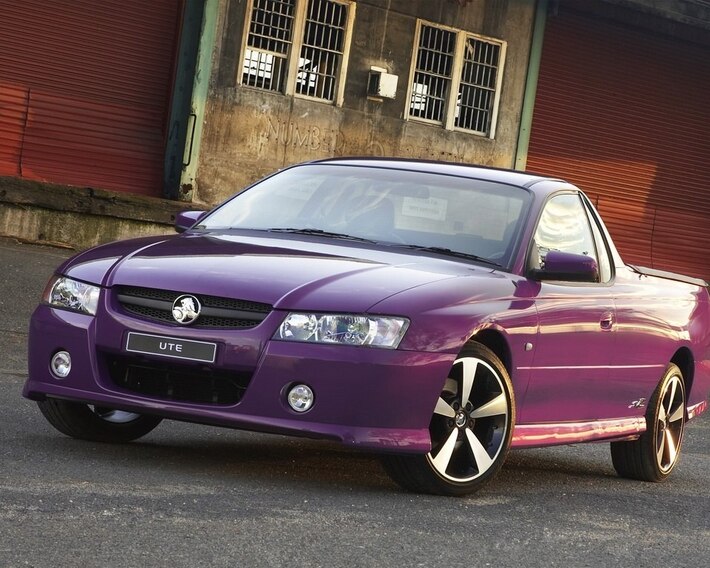
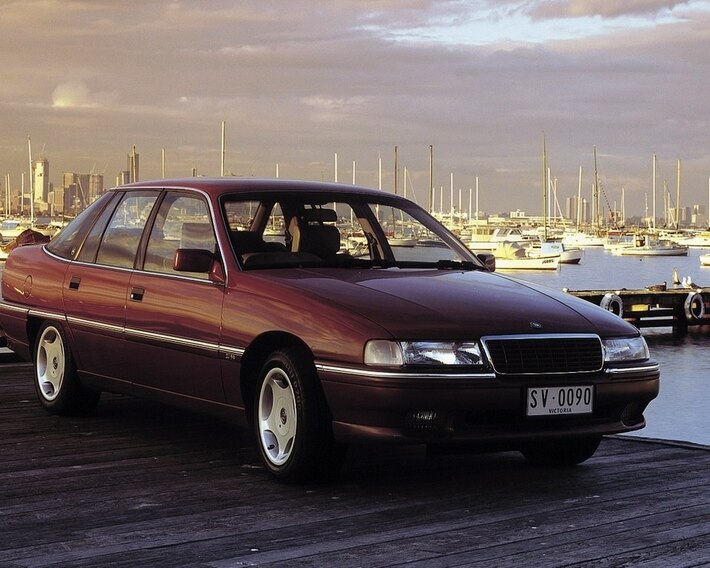
Holden vehicles — a visual selection of the iconic models produced by this manufacturer.
BakuWheels uses cookies to improve your experience, analyse site traffic, and personalise content. By clicking Accept All, you consent to our use of cookies. Learn more in our Cookie Policy.