

International
The American manufacturer that built some of history's most capable trucks, created the original off-road SUV with the Scout, and continues today as one of North America's most important commercial vehicle manufacturers.
Origins of International
International Harvester Company was formed in 1902 from the merger of several agricultural equipment manufacturers, including the McCormick Harvesting Machine Company founded in 1831. The company's early involvement with motor vehicles came through its agricultural business — farmers needed trucks to transport produce and equipment, creating natural demand for capable, durable motor vehicles from a company whose core customers were working the land. International began producing trucks in 1907, developing a reputation for reliability and durability that would define the brand for the next century.
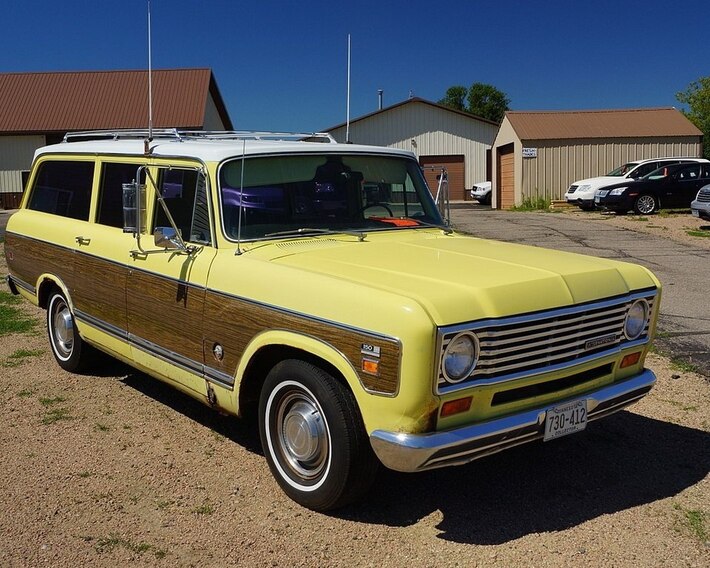
International's most culturally significant automotive product was the Scout, introduced in 1961 — one of the earliest four-wheel-drive recreational SUVs and a direct inspiration for the segment that would eventually produce the Ford Bronco, Chevrolet Blazer, and Jeep Cherokee. The Scout offered genuine off-road capability in a smaller, more manageable package than the utilitarian Jeep, with sufficient creature comforts for recreational use. It developed an intensely loyal following and is considered one of the pioneering vehicles of American off-road culture. Scout production ended in 1980 when International Harvester faced severe financial difficulties.
International Harvester was restructured and renamed Navistar International in 1986, focusing on commercial trucks, buses, and engines rather than passenger vehicles. The International brand continues today as a major manufacturer of heavy commercial vehicles in North America. In 2022, Navistar was acquired by TRATON, the commercial vehicle division of Volkswagen Group. Remarkably, the Scout name has been revived — Scout Motors is preparing to launch new electric Scout SUV and pickup models for 2026, a revival backed by Volkswagen Group.
Key Milestones
Notable Models
International's vehicle history spans working trucks, pioneering off-road vehicles, and the forthcoming revival of its most celebrated name.
Technology & Engineering
International's engineering philosophy has always prioritised durability, capability, and reliability over refinement — creating vehicles that work hard in demanding conditions rather than those optimised for comfort.
- Body-on-frame construction with heavy-duty ladder frame — providing durability and repairability appropriate for working trucks and genuine off-road vehicles across the demanding conditions of agricultural, industrial, and military use
- Part-time four-wheel drive with front locking hubs — the Scout's approach to four-wheel drive was practical and effective for agricultural and recreational use, engaging four-wheel drive when needed without the cost and complexity of permanent all-wheel-drive systems
- Diesel engine options alongside petrol — International's commercial vehicle heritage gave it diesel engine expertise that it applied to the Scout, making it one of the first American recreational vehicles available with a diesel engine and the fuel economy advantages that brought
- Multiple body configurations on a single platform — the Scout's engineering allowed it to be built as an open 'Travelall', enclosed wagon, pickup, or roadster, demonstrating how a versatile platform can address multiple market segments with shared components
International in Azerbaijan
International vehicles have no established presence in Azerbaijan's current market. The brand operates primarily in the North American commercial vehicle market, where its heavy trucks and buses serve infrastructure, logistics, and government sectors. Vintage International Scouts occasionally appear at international classic vehicle events, though they have not established a collector presence in the South Caucasus.
The forthcoming revival of the Scout brand as an electric vehicle — under Volkswagen Group ownership — may eventually bring the Scout name to global markets beyond North America. For Azerbaijani automotive enthusiasts, International represents an important chapter in American automotive history: the manufacturer that created the template for the modern off-road SUV segment and built some of the most capable and durable working trucks in the history of American commercial transport.
Why International Matters
- Off-road SUV pioneer: The International Scout of 1961 was among the first vehicles to combine genuine four-wheel-drive off-road capability with the comfort features that made recreational off-road driving accessible to ordinary buyers — establishing the template for a vehicle segment that would eventually include the Ford Bronco, Chevrolet Blazer, and the modern luxury SUV market.
- Agricultural roots, commercial legacy: International's origin in agricultural machinery gave it a deep understanding of durability and repairability that translated directly into truck engineering — vehicles that continued working in the most demanding conditions because they were designed by engineers who understood working land rather than urban driving.
- Name revival potential: The electric Scout revival backed by Volkswagen Group represents one of the most anticipated name revivals in American automotive history — a beloved nameplate returning with modern technology and the resources of one of the world's largest automotive groups.
- Commercial vehicle scale: Navistar International continues as one of North America's most important commercial vehicle manufacturers, supplying trucks that move goods across the continent's highway network — an invisible but essential role in the economy that demonstrates how commercial vehicle expertise can sustain a brand through the discontinuation of consumer models.
makes.international.galleryTitle
makes.international.galleryDesc
BakuWheels uses cookies to improve your experience, analyse site traffic, and personalise content. By clicking Accept All, you consent to our use of cookies. Learn more in our Cookie Policy.