Maserati
The Trident. A symbol of Neptune's power, appropriated by the Maserati brothers in 1926 to represent a brand whose sound alone is unmistakable. Maserati builds cars for those who believe that passion, beauty, and performance are inseparable — the Italian way.
Origins & Heritage
Officine Alfieri Maserati S.p.A. was founded on December 1, 1914, in Bologna by Alfieri Maserati and his brothers. The company began as a racing car manufacturer and spark plug producer — an unlikely combination that reflected the pragmatic Italian approach to automotive commerce. Alfieri designed and raced the cars himself until his death in 1932, giving the brand an intensely personal identity from its earliest years.
The trident logo was adopted in 1926, inspired by the Fountain of Neptune in Bologna's Piazza Maggiore. In 1939, the Maserati 8CTF won the Indianapolis 500 — the only Italian car to achieve this feat for decades. The Tipo 61 'Birdcage' of 1959, named for its extraordinary multi-tube space-frame chassis, is widely considered one of the most beautiful racing cars ever constructed.
The brand has passed through multiple ownership phases — Citroën in the 1970s, De Tomaso in the 1980s, Fiat Group from 1993 — before finding relative stability within FCA and then Stellantis. Throughout these transitions, Maserati maintained its core proposition: cars that combine Italian emotional design with genuine grand touring performance, powered by some of the finest V8 engines in the world, many co-developed with or supplied directly by Ferrari.
Key Milestones
Signature Model Lineup
The current Maserati range spans grand tourers, luxury saloons, and performance SUVs, each model embodying the trident's promise of beauty with power. All models carry the characteristic Maserati exhaust note — a sound engineered as carefully as any other component.
Technology & Innovation
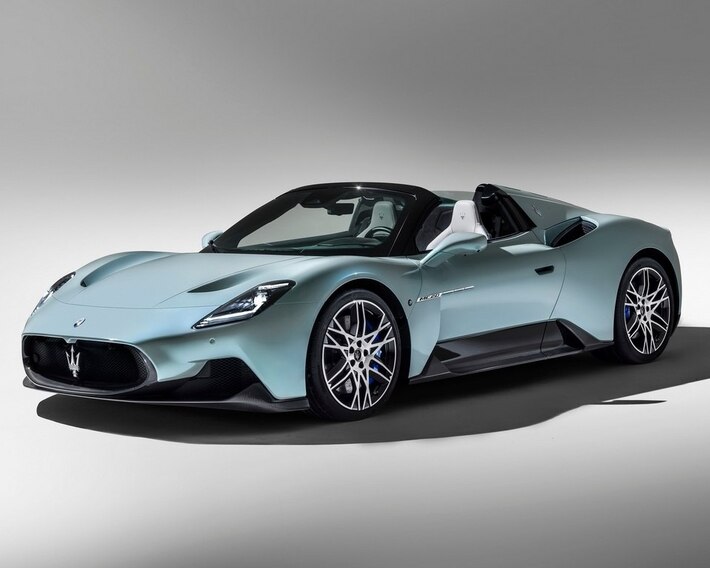
Maserati's Nettuno engine — introduced with the MC20 — represents a milestone: the first engine entirely designed, developed, and manufactured by Maserati in Modena since the 1990s. Using a patented Pre-Chamber Combustion technology borrowed from Formula 1, the 3.0-litre twin-turbocharged V6 produces 630 hp from a configuration that is remarkably compact and thermally efficient.
The GranTurismo Folgore marks Maserati's electric breakthrough — three motors producing 760 hp, 0–100 km/h in 2.7 seconds, and a 800V architecture for ultra-fast charging. The sound — critical to Maserati identity — is not abandoned in the electric version; engineers developed a proprietary acoustic system that generates a characteristic Maserati signature in the cabin.
- Nettuno V6 with Pre-Chamber Combustion — F1-derived technology generating 630 hp from 3.0 litres
- 800V Folgore architecture — tri-motor AWD delivering 760 hp and 10–80% charge in 18 minutes
- Sonus Faber audio system — custom-tuned speaker arrays by Italy's finest audio brand
- Skyhook adaptive suspension — three-mode electronically controlled damping
- Maserati Touch Control — bespoke infotainment developed to prioritise driver engagement
- Carbon fibre construction — MC20 and GranTurismo body structures integrate carbon components for weight reduction
Maserati in Azerbaijan
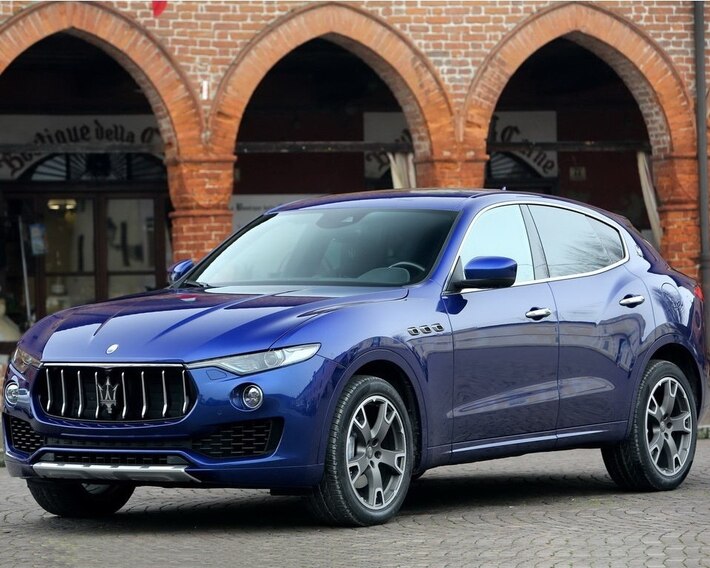
Maserati has cultivated a dedicated following among Azerbaijan's most discerning automotive buyers — those who seek Italian elegance as an alternative to German precision or British heritage. The Quattroporte and Levante are particularly valued in Baku for combining genuine executive presence with an emotional character that German rivals struggle to match.
The combination of a Maserati's V8 exhaust note, hand-crafted Italian leather interior, and trident badge creates a social statement uniquely distinct from the BMW-Mercedes-Audi mainstream. For Azerbaijani buyers who appreciate that distinction, Maserati represents the pinnacle of Italian automotive culture made practically attainable.
Why Choose Maserati?
- Italian soul: No German or British brand can replicate Maserati's emotional character — the sound, the design, and the feeling of owning something deeply Italian.
- Nettuno engine: The MC20's in-house V6 with Pre-Chamber Combustion proves Maserati's engineering capability matches its design ambition.
- Electric leadership: The GranTurismo Folgore and Ghibli Folgore prove electric Maseratis are faster, not slower — and still distinctively Italian.
- Sonus Faber audio: The partnership with Italy's finest speaker manufacturer produces cabin sound systems of extraordinary quality.
- Racing heritage: 1939 Indianapolis 500 victory, Le Mans class wins, and a factory motorsport programme that continues today with the MC20 GT2.
- Exclusivity: Maserati's relatively low production volumes ensure every owner is part of a select community — the trident is never a common sight.
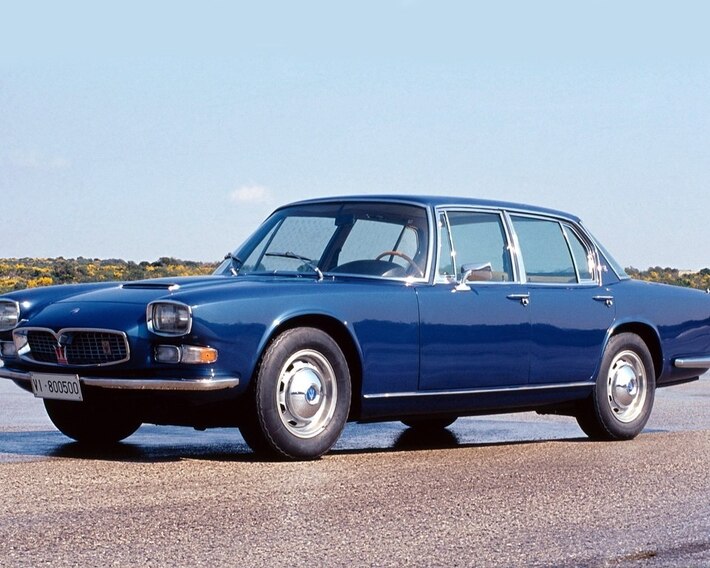
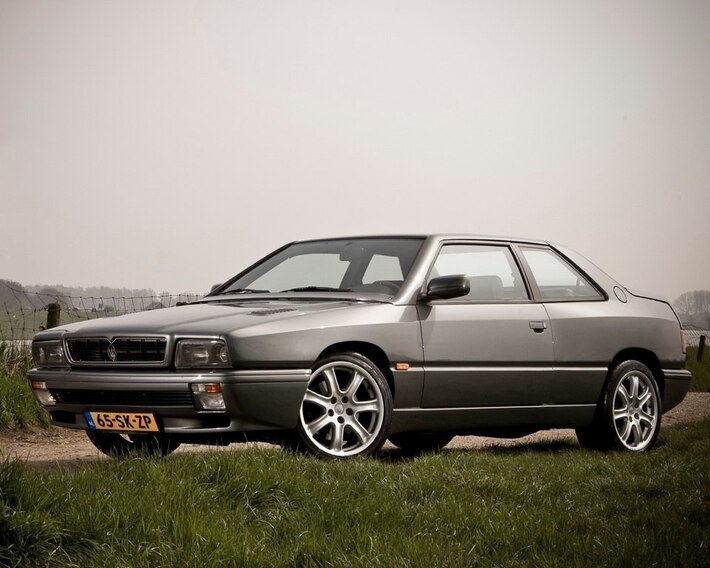
Iconic Models in Pictures
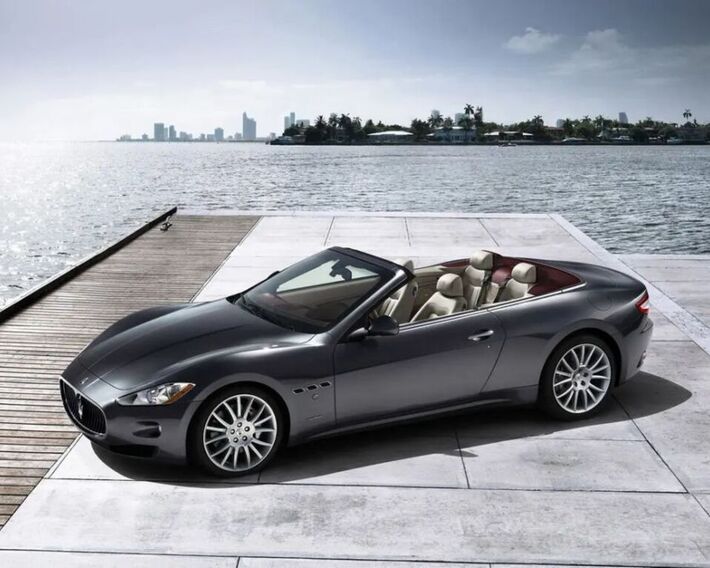
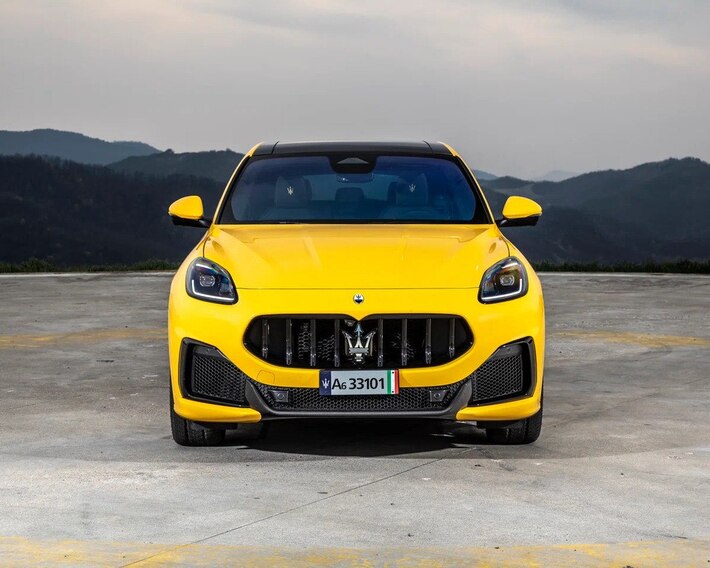
From the GranTurismo to the Quattroporte executive saloon and the Levante SUV — Maserati's lineup combines beauty with power, each model completing the trident's promise with its signature exhaust note.
BakuWheels uses cookies to improve your experience, analyse site traffic, and personalise content. By clicking Accept All, you consent to our use of cookies. Learn more in our Cookie Policy.