

Shanghai Maple
Shanghai Maple Automobile Co., Ltd. was established in 1999 as a joint venture between Geely Holding Group and the Shanghai Maple automobile factory — one of the earliest vehicles produced under Geely's expanding automotive empire. Shanghai Maple played a foundational role in Geely's growth from a small regional manufacturer to China's most globally ambitious automotive group.
Origins & Heritage
Shanghai Maple Automobile was established in 1999 as Geely Holding Group expanded its manufacturing footprint into Shanghai. The collaboration between Geely — already a growing Hangzhou-based automaker — and Shanghai automotive interests created a production base in China's commercial capital. Shanghai Maple produced passenger cars — primarily sedans — designed for the Chinese domestic market's growing demand for affordable family vehicles as China's economic expansion drove rising personal car ownership through the early 2000s.
Shanghai Maple's product range during its active production period centred on accessible sedans and early SUV-type vehicles, marketed under the Maple Haifeng and related nameplate family. These vehicles reflected Geely's strategy in the early 2000s: to produce practical, affordable vehicles accessible to China's newly emerging middle class at price points significantly below the joint-venture vehicles from Shanghai Volkswagen, Shanghai GM, and other established partners.
The Shanghai Maple brand was gradually absorbed into Geely's broader brand rationalisation as the group expanded. Geely's transformation from a domestic budget manufacturer into a global automotive powerhouse — acquiring Volvo in 2010, Lotus in 2017, and establishing the Zeekr and Lynk & Co premium brands — meant that the Shanghai Maple name was superseded by more prestigious brand identities. The Maple name was later revived in 2019 as a new brand within Geely's portfolio, distinct from the original Shanghai Maple entity.
Key Milestones
Iconic Models in Pictures
Shanghai Maple's story is inseparable from Geely's rise — one of the most remarkable corporate transformations in automotive history, from a Chinese domestic budget producer to a global automotive group owning Volvo, Lotus, and Polestar.
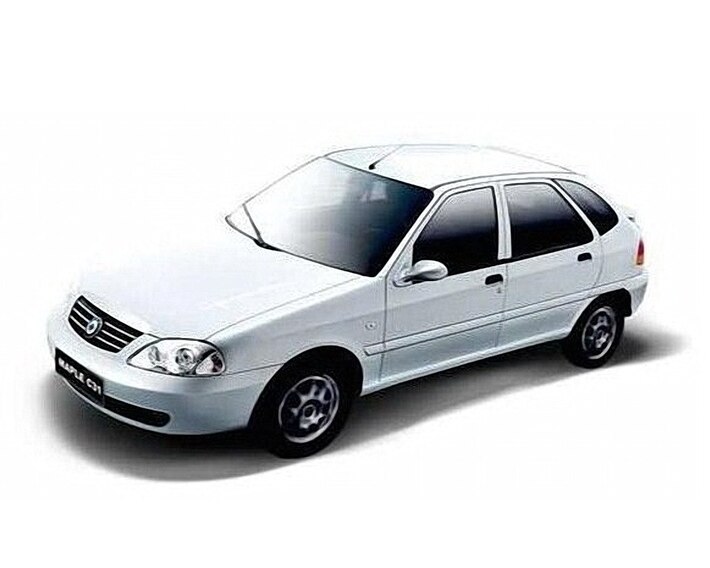
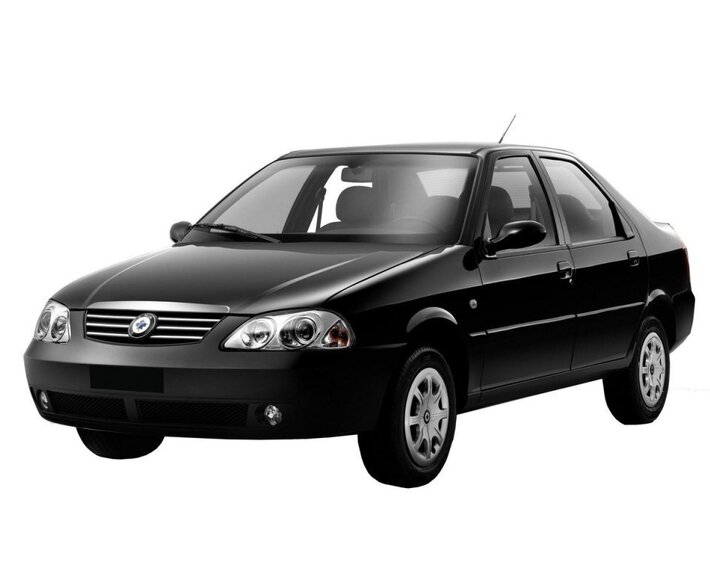
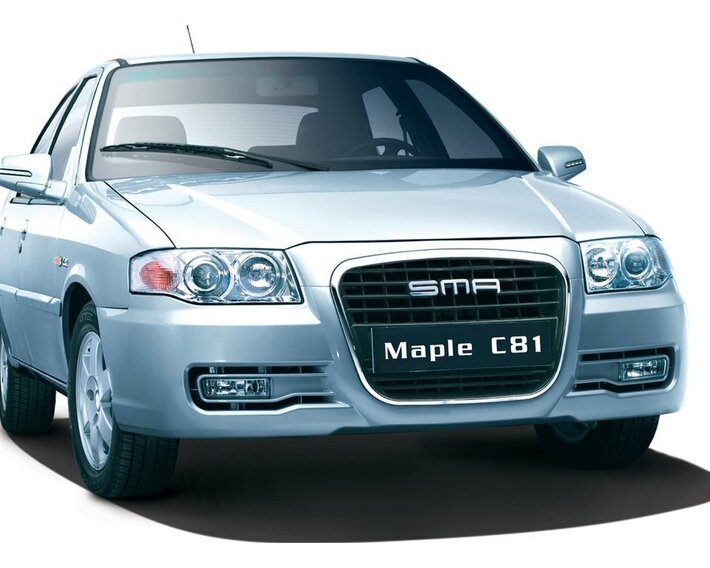
Model Lineup
Shanghai Maple's product range focused on affordable sedans and compact vehicles for the Chinese domestic market, providing Geely with a Shanghai-based production and marketing presence during the critical early growth phase.
Engineering & Technology
Shanghai Maple vehicles were engineered to deliver reliable, affordable transportation — using mechanical specifications appropriate for their price segment and target market. Geely's engineering in the early 2000s was focused primarily on achieving acceptable quality at minimal cost, drawing on reverse-engineered and licensed components from established manufacturers. Over time, Geely's engineering standards improved substantially as the group invested in original development and international acquisitions.
- Proven domestic powertrain specifications — reliable Chinese-sourced engines and transmissions appropriate for the budget sedan segment
- Cost-optimised construction — manufacturing efficiency prioritised to achieve competitive pricing in China's highly price-sensitive family car market
- Practical sedan and compact SUV architecture — body styles addressing China's dominant family car purchase criteria: seating, boot space, and reliability
- Geely platform sharing — Shanghai Maple vehicles utilised Geely's shared platform architecture, enabling economies of scale across the group's growing model range
- Foundation for Geely's engineering growth — lessons learned in Shanghai Maple's early production contributed to Geely's improving quality standards that enabled Volvo acquisition in 2010
Shanghai Maple in Azerbaijan
Shanghai Maple vehicles are rare in Azerbaijan — the brand's production was focused primarily on the Chinese domestic market, and export volumes were limited. However, the Shanghai Maple story is historically significant: it represents one chapter in Geely's extraordinary journey from small regional manufacturer to a global automotive group that now owns Volvo Cars, Lotus, Polestar, and Zeekr.
For Azerbaijani automotive enthusiasts interested in the history of China's automotive rise, Shanghai Maple represents a fascinating early chapter — the kind of modest beginning from which one of the world's most ambitious automotive transformations grew. Today's Geely-owned brands — available in Azerbaijan through established dealer networks — are the direct descendants of the ambition that began with Shanghai Maple in the late 1990s.
Why Consider Shanghai Maple?
- Foundation of a global automotive giant: Shanghai Maple was part of the foundation from which Geely grew into one of the world's most significant automotive groups — owner of Volvo, Lotus, Polestar, and Zeekr.
- Accessible Chinese automotive history: Shanghai Maple vehicles represent an early and accessible chapter of China's automotive development — for collectors interested in the history of Chinese manufacturing, these are historically significant vehicles.
- Geely platform architecture: Shanghai Maple vehicles share engineering DNA with other Geely products — meaning that buyers familiar with Geely's broader range will find technical commonality with Shanghai Maple products.
- Chinese market relevance: Understanding Shanghai Maple provides context for understanding the current Chinese automotive landscape — the competitive dynamics, brand strategies, and consumer expectations that Geely and its peers navigate today.
- Emerging classic status: As time passes, early Chinese domestic market vehicles from the 2000s are acquiring historical interest as documentation of China's automotive development — Shanghai Maple examples will become increasingly rare.
BakuWheels uses cookies to improve your experience, analyse site traffic, and personalise content. By clicking Accept All, you consent to our use of cookies. Learn more in our Cookie Policy.