
Hyundai Bayon: A Fresh Powertrain Evolution
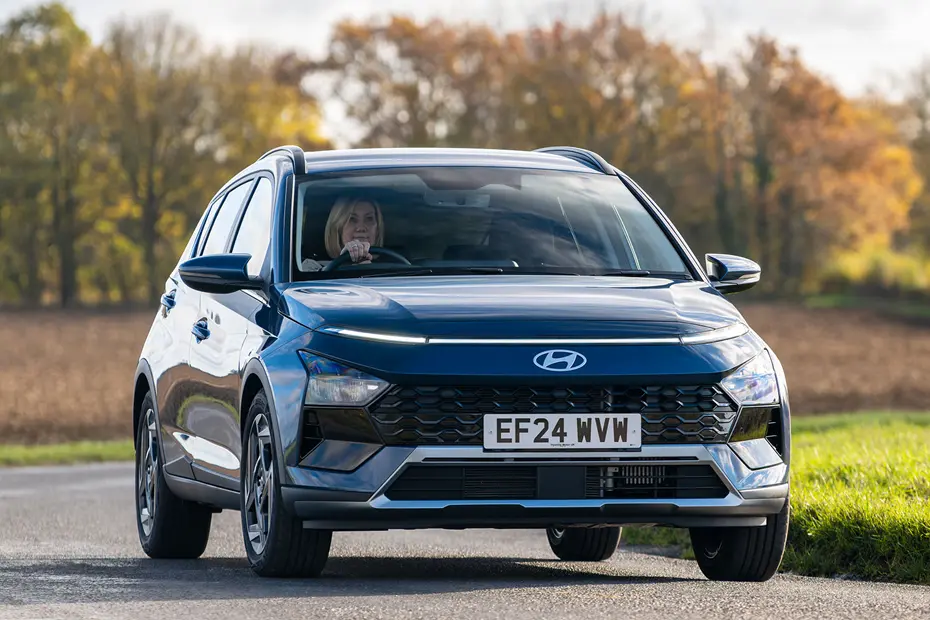
Hyundai's entry-level crossover, the Bayon, has been making waves in the compact SUV segment since its debut, and now the Korean automaker is set to give it an even more compelling powertrain lineup. According to multiple industry sources, the Bayon will receive a new petrol turbocharged engine along with a CNG (Compressed Natural Gas) powertrain option — a move that signals Hyundai's commitment to cleaner and more versatile mobility solutions.
The Petrol Turbo Variant
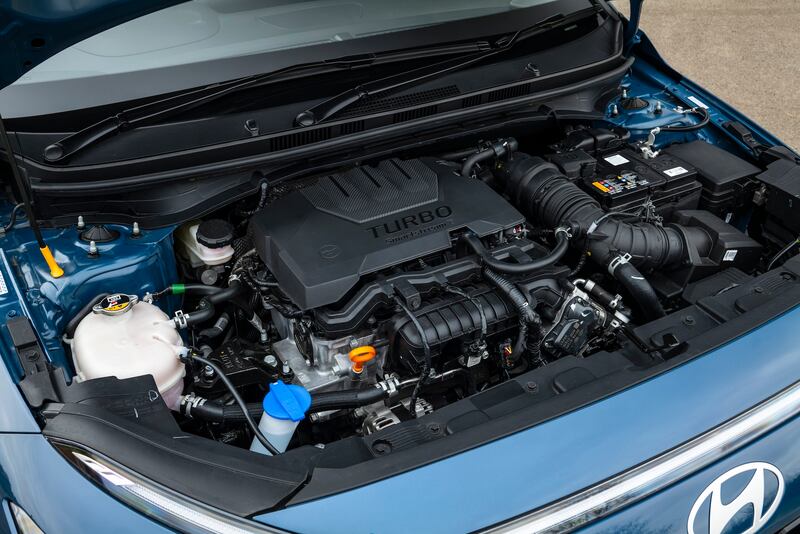
The new petrol turbo option is expected to deliver a noticeable improvement in performance over the existing naturally aspirated engines. The turbocharged petrol engine is anticipated to produce a healthy power output that makes city driving and highway cruising more responsive and enjoyable. Turbocharging allows Hyundai to extract more power from a smaller displacement engine, which in turn helps improve fuel efficiency — a critical factor for today's cost-conscious buyers.
Industry analysts believe the turbo petrol unit will likely be a 1.0-litre T-GDI (Turbocharged Gasoline Direct Injection) engine, which is already used in other Hyundai models such as the i20 and the Venue. This engine is known for its punchy low-end torque and impressive fuel economy figures, making it a well-suited choice for the Bayon's urban crossover character.
CNG Power: A Greener Alternative
Perhaps the most significant addition is the CNG variant. Compressed Natural Gas vehicles are gaining popularity across several global markets, particularly in regions where CNG infrastructure is well-established and fuel costs are a primary concern. CNG offers a cleaner-burning alternative to petrol, producing significantly lower CO2 emissions and reducing overall running costs for drivers.
The CNG-powered Bayon is expected to use a dedicated bi-fuel system, allowing drivers to switch between petrol and CNG seamlessly. This dual-fuel capability ensures that range anxiety is minimized — if CNG is unavailable, the car can simply run on conventional petrol. This flexibility is a major selling point, especially in markets where CNG filling stations are still being expanded.

Why the Bayon?
The Hyundai Bayon was introduced as a budget-friendly yet feature-rich crossover targeting young urban buyers. Built on the same platform as the Hyundai i20, the Bayon features a distinctive exterior design with bold lines, a high riding position, and a practical interior. Since its launch, it has attracted a loyal following in European and emerging markets alike.
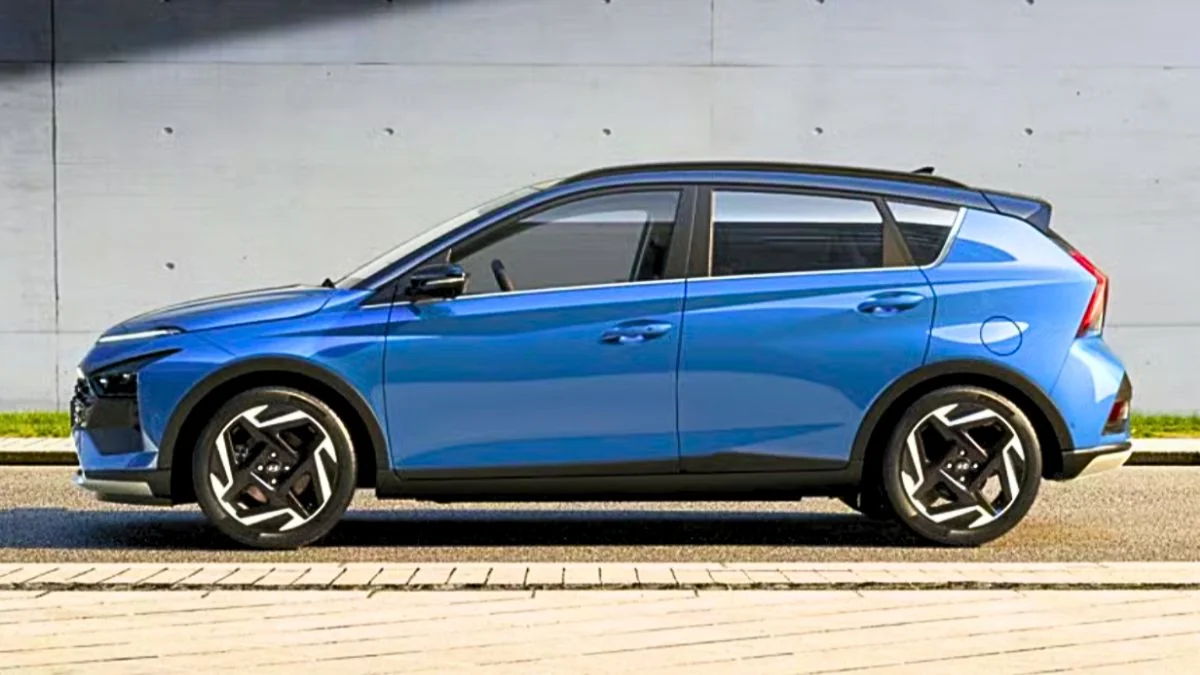
Adding turbo petrol and CNG options to the lineup makes the Bayon even more competitive in a crowded segment that includes rivals like the Volkswagen T-Cross, Renault Captur, and Ford Puma. By offering cleaner and more efficient powertrain options, Hyundai is ensuring that the Bayon remains relevant as emission regulations tighten across key markets.
Specifications Overview
- Engine Options: Naturally Aspirated Petrol, Turbocharged Petrol (1.0T-GDI), CNG Bi-Fuel
- Expected Power Output (Turbo): Approximately 100-120 bhp
- Transmission: Manual and Automatic (DCT) options
- Drive Type: Front-Wheel Drive
- Fuel Efficiency: Improved over naturally aspirated variants
- Emissions: Lower CO2 with CNG option
Market Impact and Availability
The introduction of these new powertrain options is expected to broaden the Bayon's appeal significantly. In markets like India, Italy, and several Eastern European countries where CNG infrastructure is robust, the CNG variant could become a top-selling configuration. Meanwhile, the turbo petrol variant is likely to appeal to driving enthusiasts who want a little more punch without sacrificing economy.
Hyundai has not yet officially confirmed all the details, but industry insiders suggest that announcements could come in the near term, with market rollouts following shortly after. Pricing for both variants is expected to remain competitive within the segment.
BakuWheels Expert Opinion
As an automotive expert, the addition of a turbo petrol and CNG option to the Hyundai Bayon is a strategically smart move. The Bayon already offers excellent value for money, and these powertrain upgrades will make it even more attractive to a wider audience. The CNG variant in particular is forward-thinking — it bridges the gap between conventional combustion engines and full electrification, offering an affordable and environmentally friendlier option for buyers who are not yet ready to go fully electric.
If priced right, the Bayon CNG and Turbo variants have strong potential to become segment leaders in their respective niches. We at BakuWheels will be closely monitoring further developments and will bring you the latest updates as they emerge.