

Bristol Cars
Bristol Cars is one of Britain's most storied and secretive luxury car manufacturers, founded in 1945 from the Bristol Aeroplane Company. Producing hand-built grand tourers of exceptional quality and deliberate discretion at its factory in Filton, Bristol for over six decades, the brand cultivated an intensely loyal following among connoisseurs who valued genuine craftsmanship, engineering integrity, and absolute exclusivity over conspicuous luxury.
Origins & Heritage
Bristol Cars was established in 1945 as the automotive division of the Bristol Aeroplane Company — one of Britain's most distinguished aircraft manufacturers, responsible for legendary wartime aircraft including the Beaufighter and Blenheim. The aeronautical heritage was not merely cosmetic: Bristol's engineering team brought aircraft-industry standards of precision manufacturing, materials knowledge, and attention to structural integrity to their cars, creating vehicles that were genuinely different in character from conventional automotive products.
The first Bristol cars — the 400 series, introduced in 1947 — were based on the pre-war BMW 328 and its derivatives, with technical assistance from BMW engineers accessed as part of post-war reparations. The 328-derived straight-six engine and independent front suspension gave the early Bristols handling characteristics well ahead of their contemporaries. As the company evolved through the 1950s and 1960s, it developed increasingly individual body styles while maintaining the fundamental commitment to quality over volume that defined the brand's character.
From the early 1960s, Bristol adopted American V8 engines — initially from Chrysler — which transformed the cars' long-distance touring ability while maintaining the refined, effortless character that Bristol owners cherished. The 400 through 412 series, the 603, Beaufighter, Blenheim, and the extraordinary Fighter of 2004 all embody Bristol's philosophy: absolute quality, maximum discretion, and a refusal to compromise engineering integrity for commercial expediency. Bristol Cars ceased production in 2011 following financial difficulties, though revival attempts were subsequently announced.
Key Milestones
Bristol Through the Decades
Bristol's output spans six decades of evolution — from the aeronautics-influenced 400 to the dramatic Fighter supercar — unified by absolute quality and deliberate restraint.
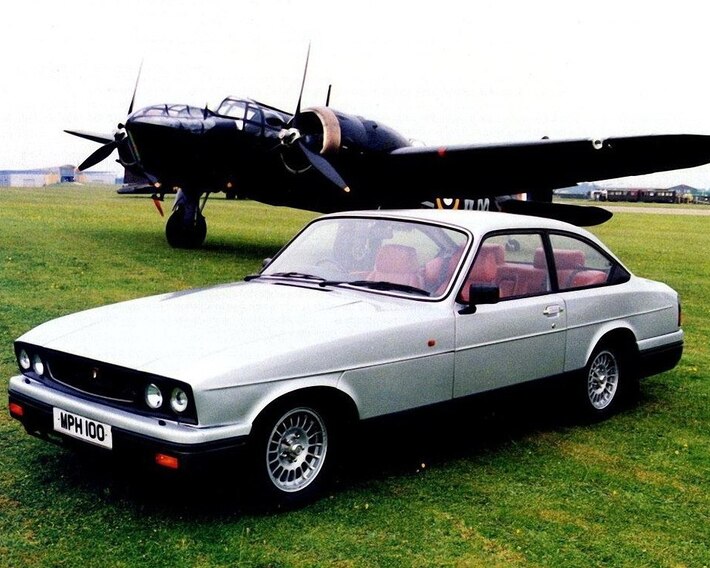
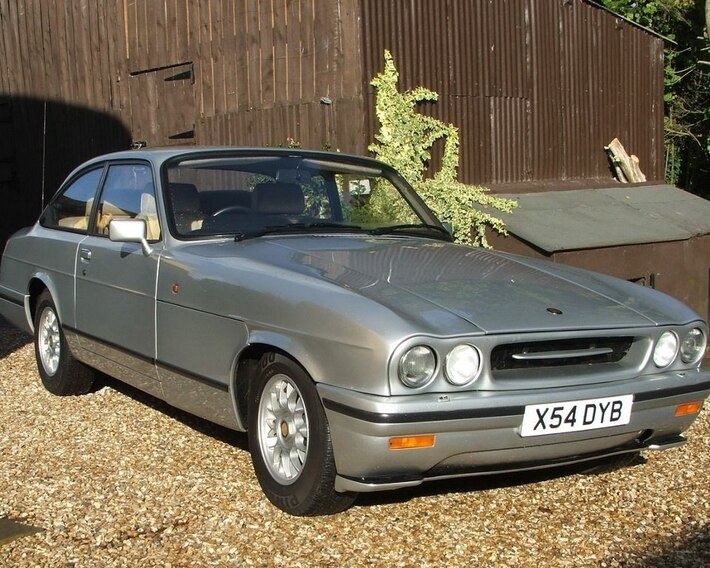
Iconic Models
Each Bristol model reflects the brand's core philosophy: hand-built, engineered to the highest standard, and designed for the owner who values substance over show.
Engineering Philosophy
Bristol's engineering identity is rooted in its aeronautical origins. The company applied aircraft manufacturing standards to automotive construction — prioritising structural integrity, material quality, and long-term durability over the cost and time pressures of mass-production. This philosophy produced cars of exceptional longevity: Bristol owners routinely maintained their vehicles for decades, a testament to the underlying engineering quality.
- Aeronautical-standard construction methods — aluminium alloy panels, precision steel structures, and assembly tolerances drawn from aircraft manufacturing practice
- Chrysler and Dodge V8/V10 American powertrains — proven high-displacement engines delivering effortless, reliable long-distance performance with minimal maintenance demands
- Individual hand-fitting of body panels — no two Bristols identical, with each car assembled and finished by skilled craftsmen to the specific requirements of the individual order
- Aerodynamic body development — the Bristol Aeroplane Company's wind tunnel expertise directly informed the exterior surfacing of production models from the earliest series
Bristol Cars in Azerbaijan & the Region
Bristol Cars occupy a unique position in the global collector car market: they are among the rarest, most historically significant, and least commercially exploited of all British luxury marques. In Azerbaijan, a Bristol represents the ultimate expression of understated British quality — a car for the connoisseur who has moved beyond badge recognition to seek genuine engineering heritage and historical importance.
For Azerbaijani collectors with an appreciation for British automotive history, a Bristol offers an extraordinary ownership proposition: a hand-built grand tourer with direct lineage to the Bristol Aeroplane Company, powered by proven American V8 engines (easily serviceable), and produced in numbers so small that every example is a genuinely rare artefact. Few marques combine such historical depth with such practical collectibility.
Why Bristol?
- Unique aeronautical heritage: Founded by the Bristol Aeroplane Company and built to aircraft manufacturing standards — a depth of engineering pedigree unmatched by any other automotive marque.
- Ultimate rarity: Fewer cars produced across the entire history of the brand than many manufacturers produce in a single month — genuine exclusivity by any measure.
- American V8 serviceability: Chrysler and Dodge powertrains are well understood by skilled mechanics worldwide, making Bristol ownership far more practical than comparable rare British marques.
- Investment-grade collector appeal: Growing international recognition of Bristol's significance is driving increased collector interest and values among serious automotive historians and enthusiasts.
BakuWheels uses cookies to improve your experience, analyse site traffic, and personalise content. By clicking Accept All, you consent to our use of cookies. Learn more in our Cookie Policy.