

Lancia
Lancia is Italian automotive art in its purest form — a brand born in Turin in 1906 that combined extraordinary engineering ingenuity with effortless style to produce some of the most technically innovative and beautiful cars ever made. World rally champion eleven times. Pioneer of V6 engines, monocoque construction, and independent suspension. Now reborn under Stellantis as a premium Italian electric brand for a new century.
Origins & Heritage
Lancia & C. was founded in Turin on 27 November 1906 by Vincenzo Lancia, a Fiat test driver and racer of exceptional talent who believed that cars could be technically superior to anything then available. His approach was uncompromising: Lancia would use the most advanced engineering available, regardless of cost, to produce vehicles that offered a fundamentally better driving experience. The Lambda of 1922 embodied this philosophy completely — it was the world's first car to use a unitary body construction and independent front suspension simultaneously, technologies that would take the rest of the industry decades to adopt widely.
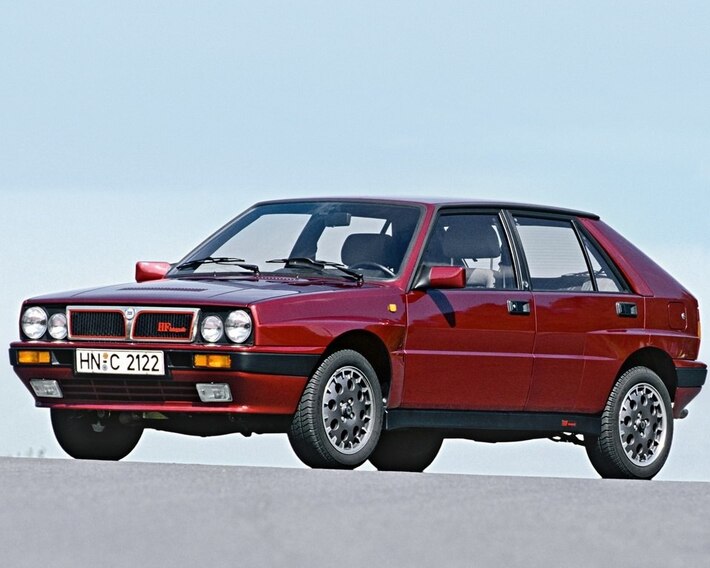
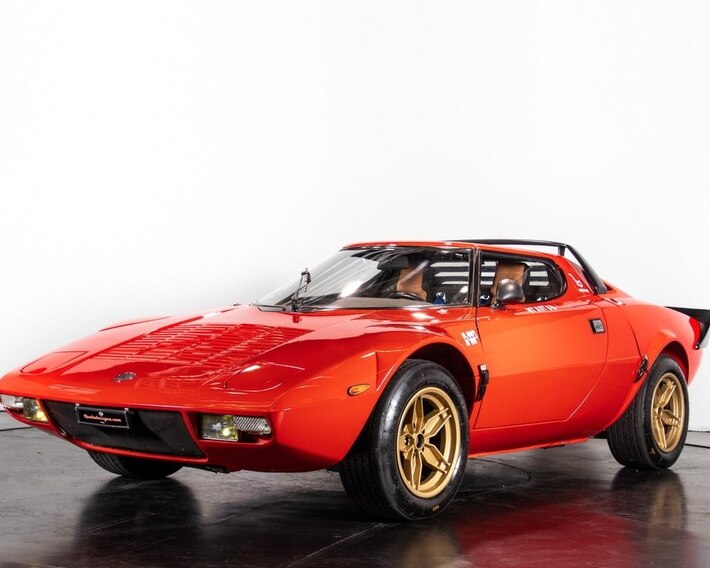
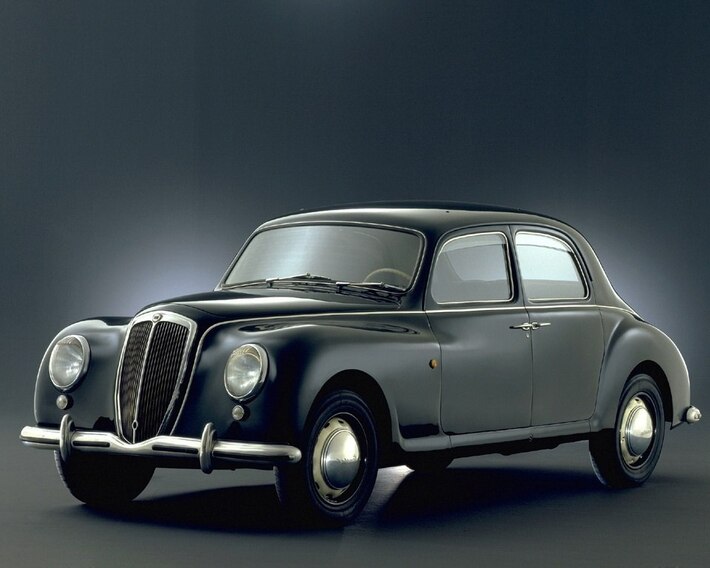
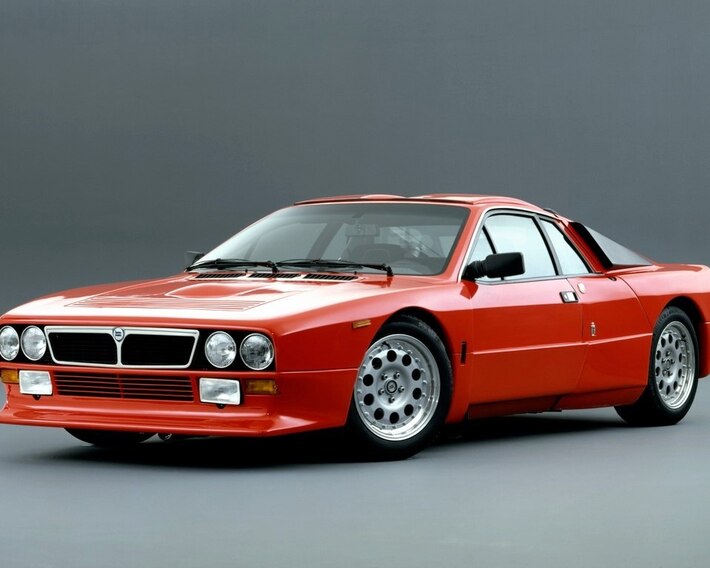
The postwar decades brought some of Lancia's most celebrated designs: the Aurelia of 1950 introduced the world's first V6 production engine; the Fulvia became an affordable sports icon; and the Stratos — designed by Bertone and conceived purely for rallying — won three consecutive World Rally Championships between 1974 and 1976, establishing a motorsport legacy that the Delta Integrale would dramatically extend into the 1990s with six consecutive WRC Manufacturers' Championships.
Fiat acquired Lancia in 1969, and the brand became part of the Stellantis group in 2021. After years of contraction, Stellantis announced a bold Lancia revival plan in 2021 — three new all-electric models by 2028, starting with the reborn Ypsilon in 2024. The revival positions Lancia as Stellantis's dedicated Italian premium electric brand, retaining the elegant character and design ambition that have always defined the marque.
Key Milestones
Iconic Models in Pictures
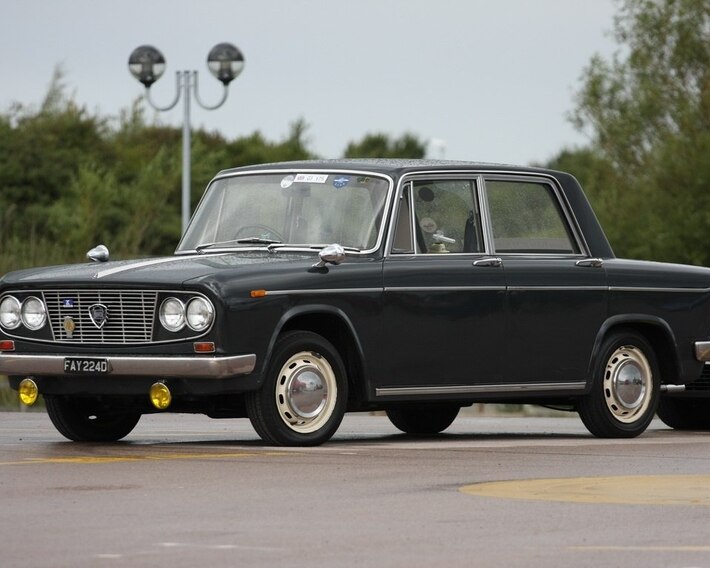
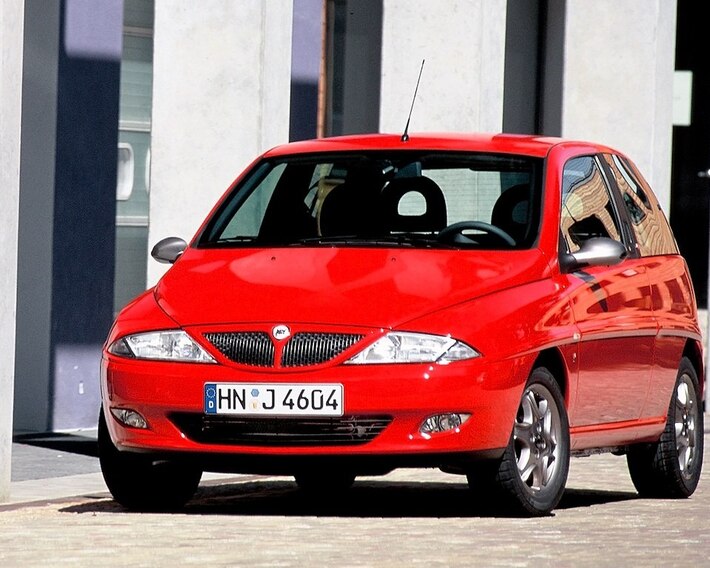
From the revolutionary Lambda and the legendary Stratos to the Delta Integrale and the reborn Ypsilon, Lancia has produced some of the most technically significant and visually compelling cars in automotive history.
Model Lineup
The reborn Lancia range will grow to three models by 2028 — all fully electric, all positioned as premium Italian alternatives in their respective segments.
Innovation & Technology
The reborn Lancia is built entirely on Stellantis's STLA platform family, giving it access to cutting-edge electric vehicle architecture shared with DS, Alfa Romeo, and Jeep models across the group.
Lancia's historic engineering legacy includes world firsts in monocoque construction (Lambda, 1922), V6 engines (Aurelia, 1950), and all-wheel-drive rally cars (Delta Integrale, 1987) — an innovation pedigree that the modern brand draws on for its premium EV positioning.
- Stellantis STLA Small platform — purpose-built EV architecture with up to 700 km range potential and 400V/800V charging compatibility
- Lancia Heritage interior philosophy — premium materials, refined colour palettes, and design elements referencing the brand's Italian design history
- Level 2 driver assistance — lane centring, adaptive cruise, automatic emergency braking, and 360-degree parking sensors as standard
- Over-the-air software updates — continuous improvement of infotainment, ADAS, and powertrain calibration throughout ownership
- Bi-directional charging (V2G/V2L) capability planned — enabling future Lancia EVs to power devices or feed energy back to the home grid
- Lancia UConnect 5 infotainment — 10.25-inch touchscreen with wireless Apple CarPlay, Android Auto, and integrated navigation
Lancia in Azerbaijan
Lancia has historically maintained a small but devoted following in Azerbaijan among buyers who appreciate Italian automotive heritage and distinctive European character. The brand's association with WRC glory and technical innovation gives it cultural cachet that transcends sales volume — Lancia is respected by enthusiasts who understand automotive history.
The revival of Lancia under Stellantis, beginning with the electric Ypsilon, opens a new chapter for the brand in markets like Azerbaijan where interest in premium European EVs is growing. Official Stellantis distribution networks, shared with Fiat, Alfa Romeo, and Jeep, could provide the retail infrastructure Lancia needs for its rebirth.
Why Choose Lancia?
- Unrivalled motorsport heritage: Eleven WRC Manufacturers' Championships — more than any other brand — and legendary models including the Stratos and Delta Integrale give Lancia a competition pedigree second to none.
- Italian design excellence: Lancia has always combined avant-garde styling with refined interior elegance — a tradition being revived in the new Ypsilon with premium materials and sophisticated colour palettes.
- Technical pioneering: First production monocoque body, first V6 engine, first WRC-winning all-wheel-drive car — Lancia's history of world firsts reflects a brand that always pushed engineering boundaries.
- Stellantis platform quality: The reborn Lancia benefits from Stellantis's STLA EV architecture — state-of-the-art electric vehicle underpinnings with proven reliability from a major automotive group.
- Premium Italian exclusivity: Lancia occupies a rare position as a premium Italian brand — the only marque offering a genuine Italian luxury alternative to German premium EVs.
- Historic collectability: Vintage Lancia models — Lambda, Aurelia, Stratos, Delta Integrale — are among the most sought-after collector cars globally, reflecting the enduring value of the brand's engineering and design legacy.
BakuWheels uses cookies to improve your experience, analyse site traffic, and personalise content. By clicking Accept All, you consent to our use of cookies. Learn more in our Cookie Policy.