
When Hyundai introduced the Bayon to its global lineup, it sparked curiosity among car enthusiasts and potential buyers alike. Positioned exclusively for European markets, the Bayon fits into a segment that sits tantalisingly between two of Hyundai's most popular SUVs — the compact Venue and the more spacious Creta. But where exactly does it land, and does it justify its existence alongside its stablemates?
Meet the Hyundai Bayon
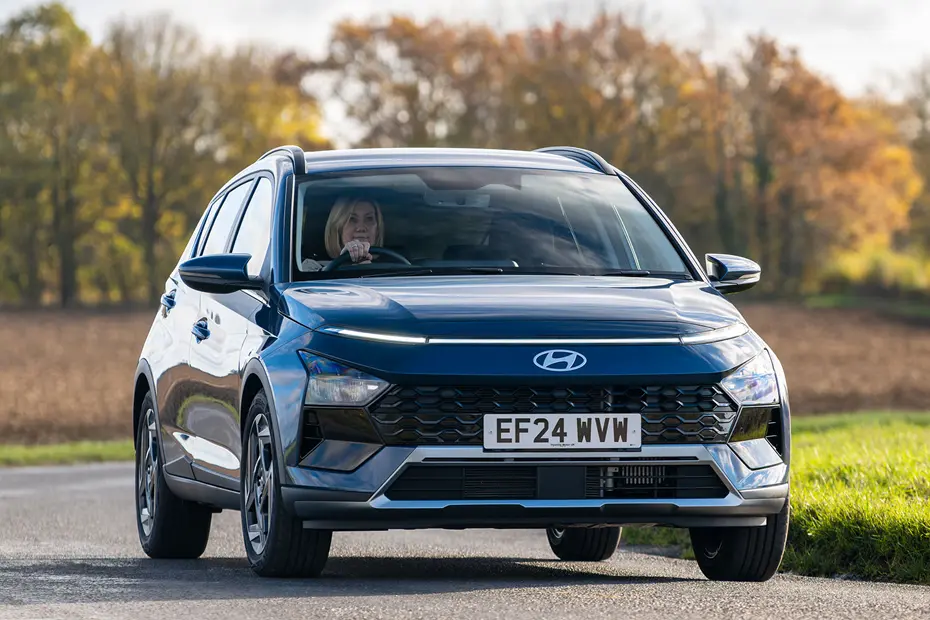
Launched in 2021, the Hyundai Bayon is a subcompact crossover specifically designed and engineered for the European market. Built on the same platform as the Venue, the Bayon measures approximately 4,180 mm in length, 1,775 mm in width, and 1,490 mm in height, with a wheelbase of 2,580 mm. These dimensions make it slightly longer and lower than the Venue, lending it a sleeker, more coupe-like crossover profile that appeals to European tastes.
The Bayon draws significant inspiration from Hyundai's "Sensuous Sportiness" design language, featuring swept-back LED headlights, a distinctive parametric grille, sharp body lines, and a fastback-style roofline. It's a design that clearly differentiates it from both the upright Venue and the more mainstream-looking Creta.
Hyundai Venue: The Entry-Level Urban SUV
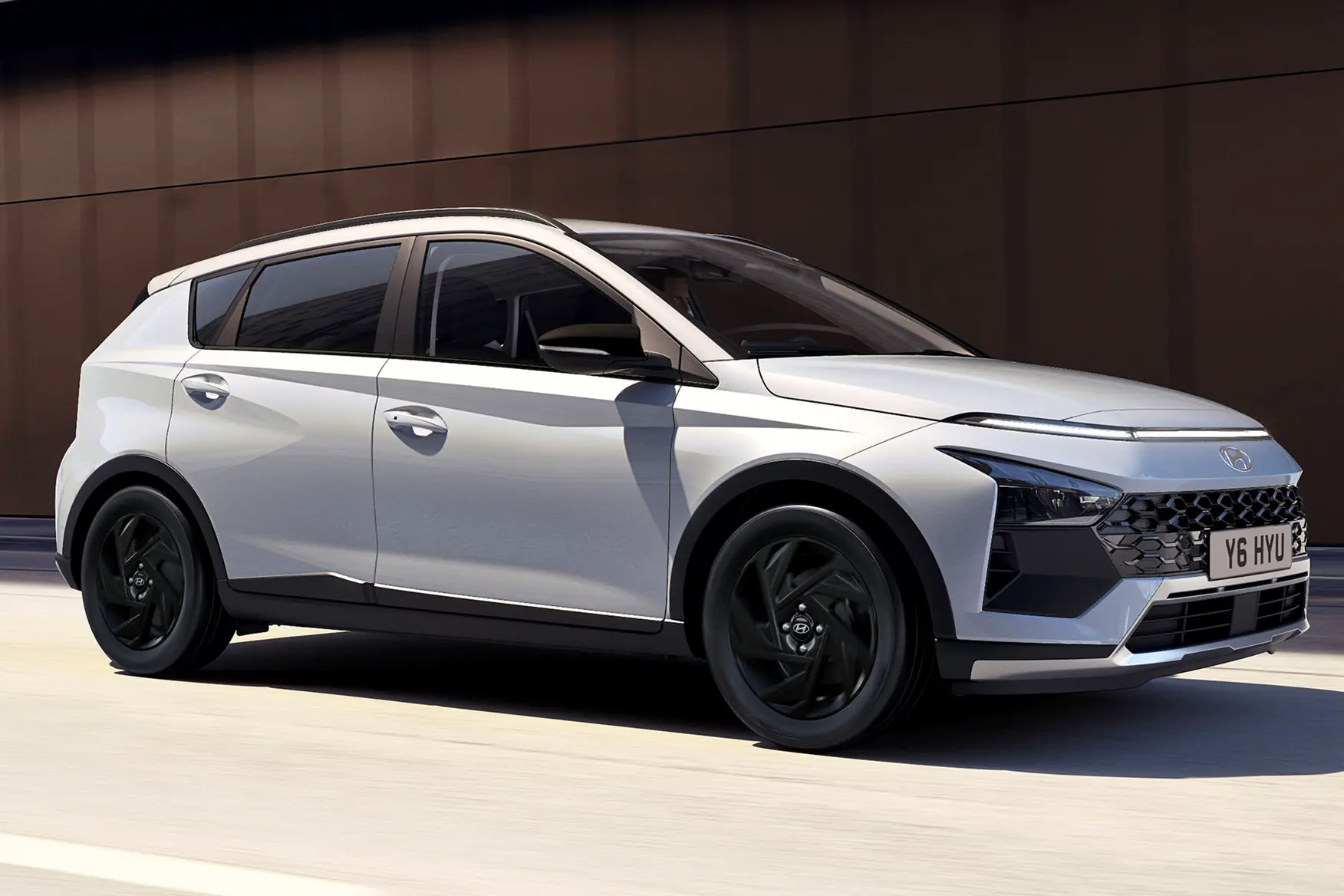
The Hyundai Venue, launched globally in 2019, is Hyundai's most affordable and smallest SUV in its lineup. With a length of around 4,040 mm, it is the most city-friendly of the three, designed primarily for urban commuters who want the elevated seating position and SUV styling without the bulk. It is offered with a range of petrol engine options including a 1.2L naturally aspirated and a 1.0L turbocharged GDi unit, paired with either a manual, iMT (intelligent Manual Transmission), or DCT (dual-clutch transmission).
The Venue, while compact, offers a competitive feature set including a 10.25-inch touchscreen infotainment system, connected car technology, BlueLink connectivity, and multiple drive modes. However, its smaller footprint means it lacks rear-seat legroom and boot space compared to the Bayon and Creta.
Hyundai Creta: The Segment Leader
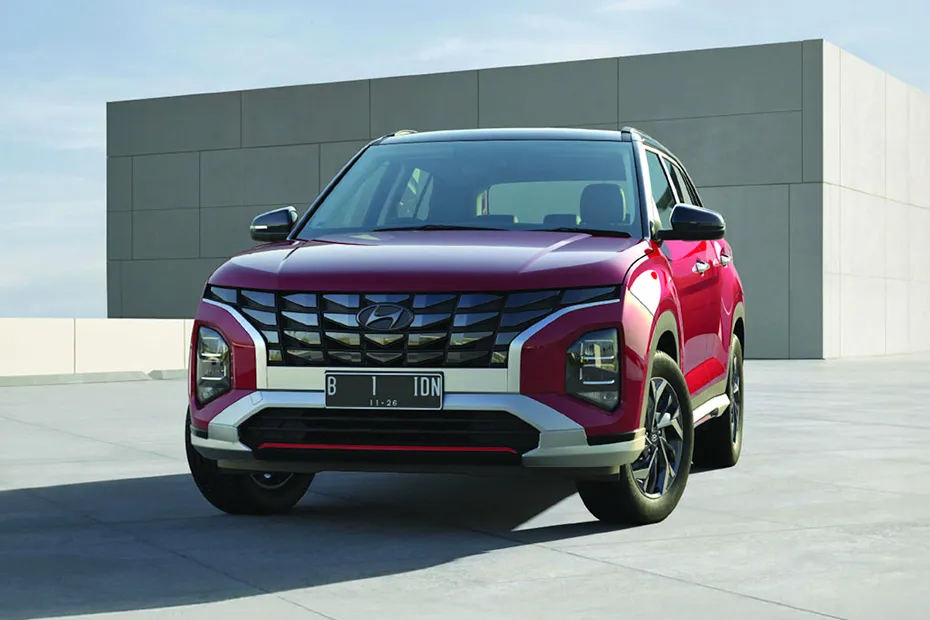
The Hyundai Creta needs little introduction. One of Hyundai's best-selling SUVs globally, the Creta is a compact SUV measuring approximately 4,330 mm in length with a spacious cabin and a generous boot capacity of around 433 litres. Available with multiple powertrain options — including a 1.5L petrol, 1.5L diesel, and a 1.4L turbocharged petrol — the Creta caters to a wide spectrum of buyers looking for a feature-rich, family-oriented SUV.
The second-generation Creta (2024) took the segment by storm with a completely revamped exterior, a panoramic sunroof, a triple-screen cockpit, ADAS (Advanced Driver Assistance Systems), and a powerful 160 PS 1.5L turbo-petrol engine option. It is the more grown-up, practical, and versatile of the three SUVs discussed here.
How Does the Bayon Compare? — The Dimensional Breakdown
In terms of sheer size, the Bayon slots neatly between the Venue and Creta:
- Hyundai Venue: 4,040 mm length | 1,770 mm width | 1,590 mm height | 2,520 mm wheelbase
- Hyundai Bayon: 4,180 mm length | 1,775 mm width | 1,490 mm height | 2,580 mm wheelbase
- Hyundai Creta: 4,330 mm length | 1,790 mm width | 1,635 mm height | 2,610 mm wheelbase
What's particularly interesting is that despite the Bayon being longer and wider than the Venue, it is noticeably lower — thanks to its coupe-inspired roofline. This makes the Bayon more aerodynamic but slightly compromises rear headroom compared to the taller Venue and Creta.
Engine and Performance
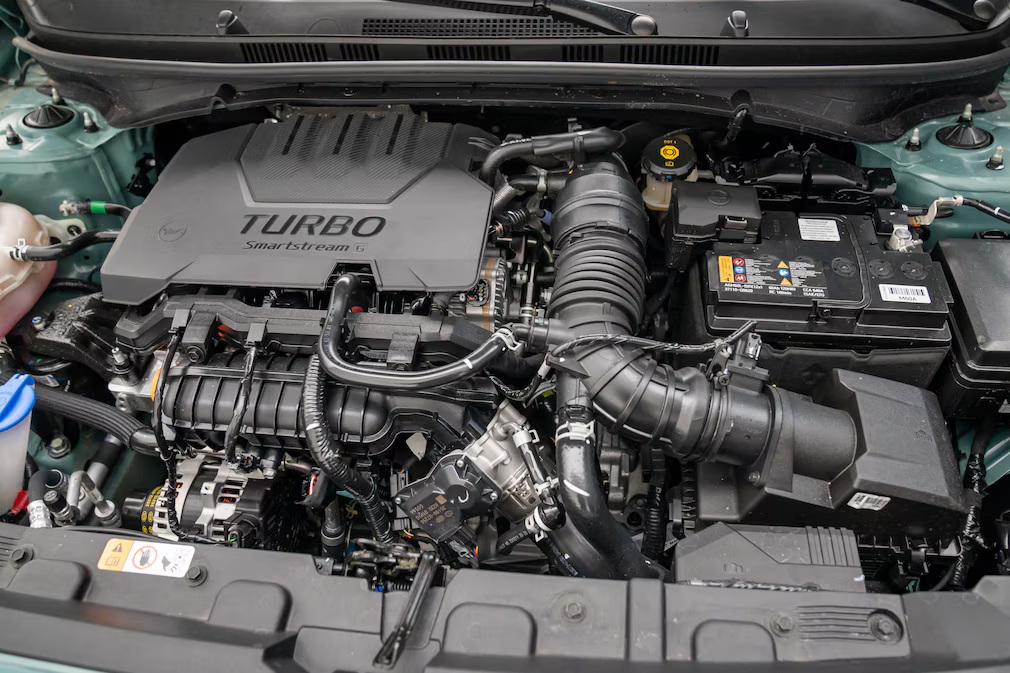
For the European market, the Hyundai Bayon is offered with mild-hybrid petrol engines:
- 1.0L T-GDi (100 PS) — 48V mild-hybrid with 6-speed iMT or 7-speed DCT
- 1.0L T-GDi (120 PS) — 48V mild-hybrid with 7-speed DCT
- 1.2L MPI (84 PS) — naturally aspirated with 5-speed manual
The mild-hybrid technology on the 1.0L T-GDi models helps improve fuel efficiency and reduce emissions — a critical consideration in the European regulatory landscape. The Venue, in comparison, is offered with a 1.0L T-GDi (120 PS) without mild-hybrid tech in most markets, while the Creta steps up with more powerful options including the 160 PS turbo unit.
Interior, Features and Boot Space
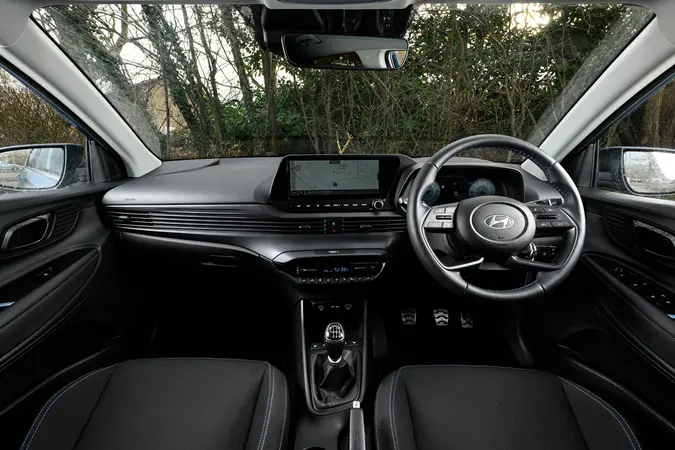
Step inside the Bayon, and you're greeted with a modern, clean cabin layout. The Bayon offers an 8-inch or 10.25-inch touchscreen (depending on variant), BlueLink connected services, wireless Apple CarPlay and Android Auto on higher trims, climate control, and a digital instrument cluster. The boot space stands at 411 litres — considerably more than the Venue's 351 litres but slightly less than the Creta's 433 litres.
While rear-seat headroom in the Bayon may be slightly tighter than the Venue (due to its lower roofline), it more than compensates with a longer wheelbase, translating into better knee room for rear occupants. This positions the Bayon as a better choice for occasional rear-seat passengers compared to the Venue.
Safety and Technology
Being a Euro-spec vehicle, the Hyundai Bayon benefits from a comprehensive suite of advanced safety technologies. It is equipped with:
- Forward Collision-Avoidance Assist (FCA)
- Lane Keeping Assist (LKA)
- Driver Attention Warning (DAW)
- Blind-Spot Collision Warning (BCW)
- Rear Cross-Traffic Collision Warning
- Smart Cruise Control
This level of active safety tech puts the Bayon well ahead of the Venue in most markets (though the 2024 Creta does match and even exceed the Bayon's ADAS credentials in its top-spec form).
Market Positioning: Who Should Buy the Bayon?
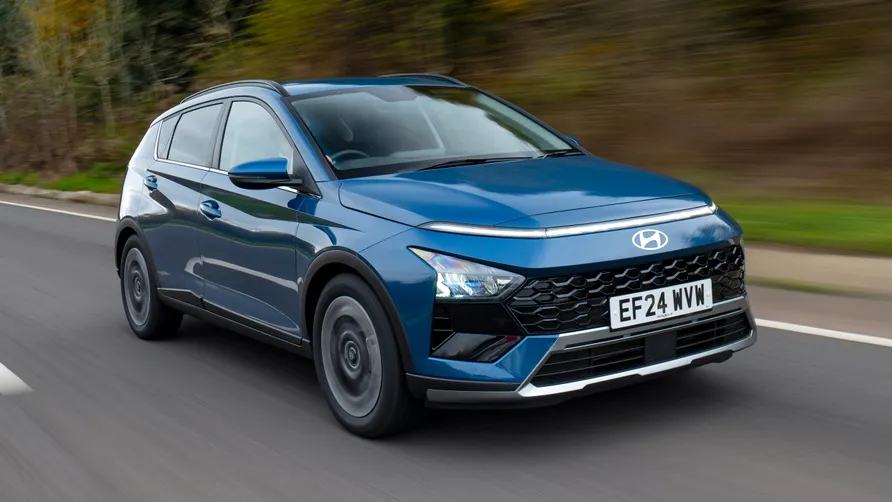
The Hyundai Bayon is not a car that tries to be everything to everyone. It is specifically designed for the style-conscious European buyer who wants something more premium and design-forward than the Venue, but doesn't necessarily need the full-size presence of the Creta. Think of it as the fashionable middle child — more sophisticated than the Venue, more niche than the Creta.
If you prioritise urban driving, fuel efficiency, modern design, and a compact footprint, the Bayon is hard to beat at its price point in Europe. However, for buyers in markets like India or the Middle East where the Venue and Creta are the dominant players, the Bayon remains a European-exclusive proposition for now.
Final Verdict: Does the Bayon Make Sense?
Absolutely. The Hyundai Bayon succeeds in carving out a genuine identity for itself between the Venue and Creta. It combines the compact, city-friendly dimensions of the Venue with enhanced boot space, a longer wheelbase, mild-hybrid powertrains, superior active safety features, and sharper European styling. For European buyers specifically, the Bayon represents an intelligent, stylish, and practical choice in the crowded subcompact SUV segment.
As an automotive expert, I would suggest that if Hyundai ever decides to bring the Bayon to Asian or Middle Eastern markets, it would need to be priced strategically to avoid cannibalising its own Venue sales while differentiating clearly from the Creta. Until then, the Bayon remains a European gem worth paying attention to.
— BakuWheels Automotive Team