
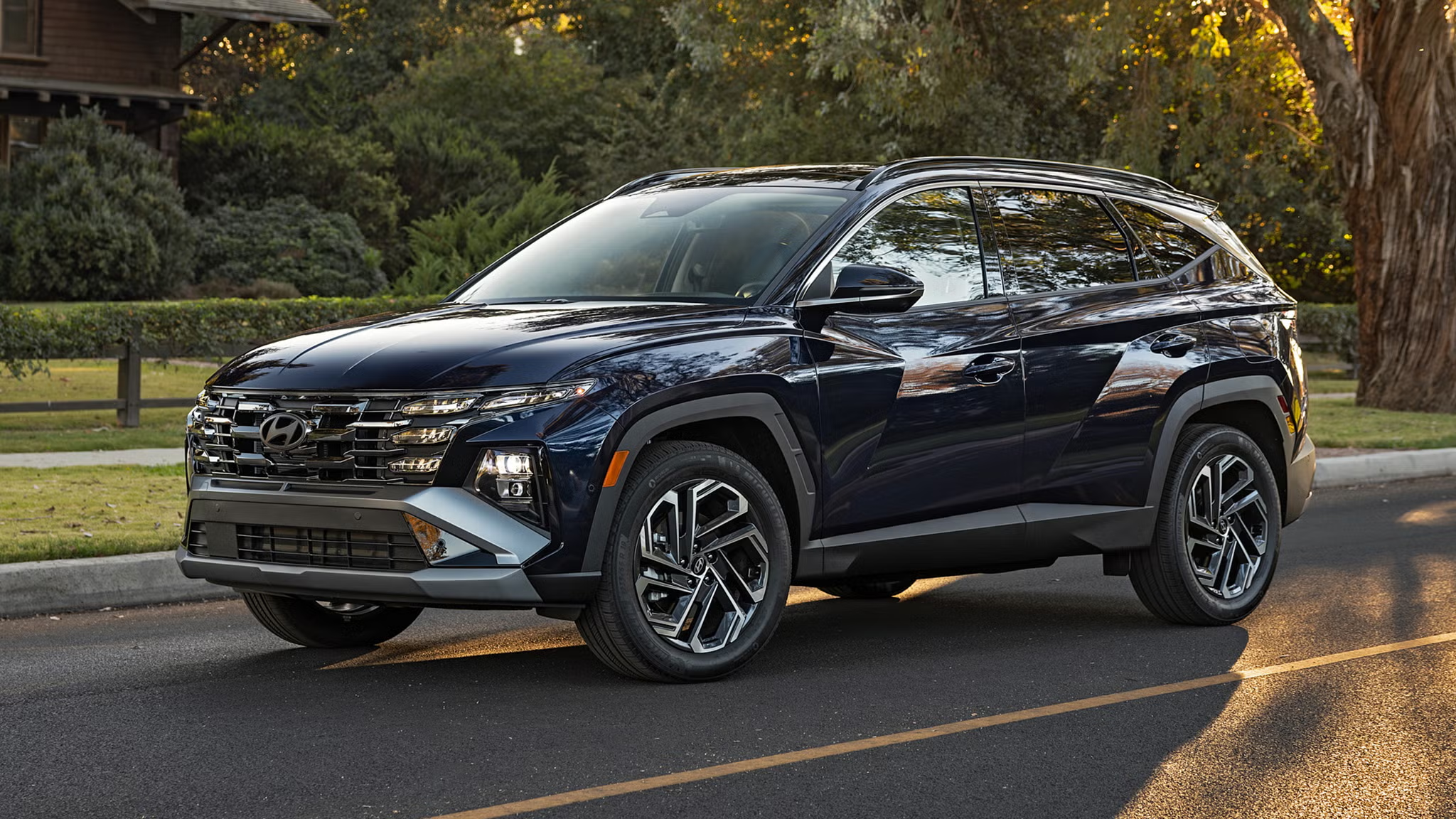
Hyundai has announced a significant safety recall impacting more than 420,000 vehicles in the United States, citing a critical defect that may cause the brakes to engage unexpectedly while the vehicle is in motion. Importantly, this recall exclusively affects 2025 and 2026 model year vehicles — not earlier model years as previously reported. As an automotive expert media outlet, BakuWheels brings this important safety news to Azerbaijani consumers and owners of Hyundai vehicles, as many of these models are popular in Azerbaijan and the broader region.
Which Vehicles Are Affected?
The recall covers several Hyundai models from the 2025 and 2026 model years. The affected vehicles include:
- 2025–2026 Hyundai Tucson
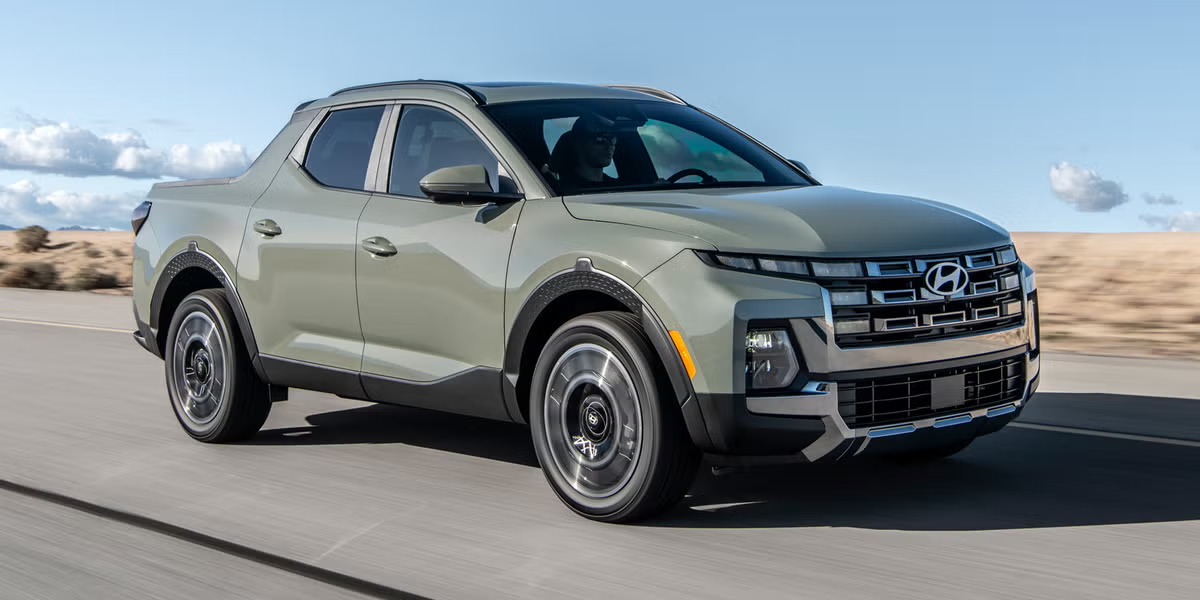
- 2025–2026 Hyundai Santa Cruz
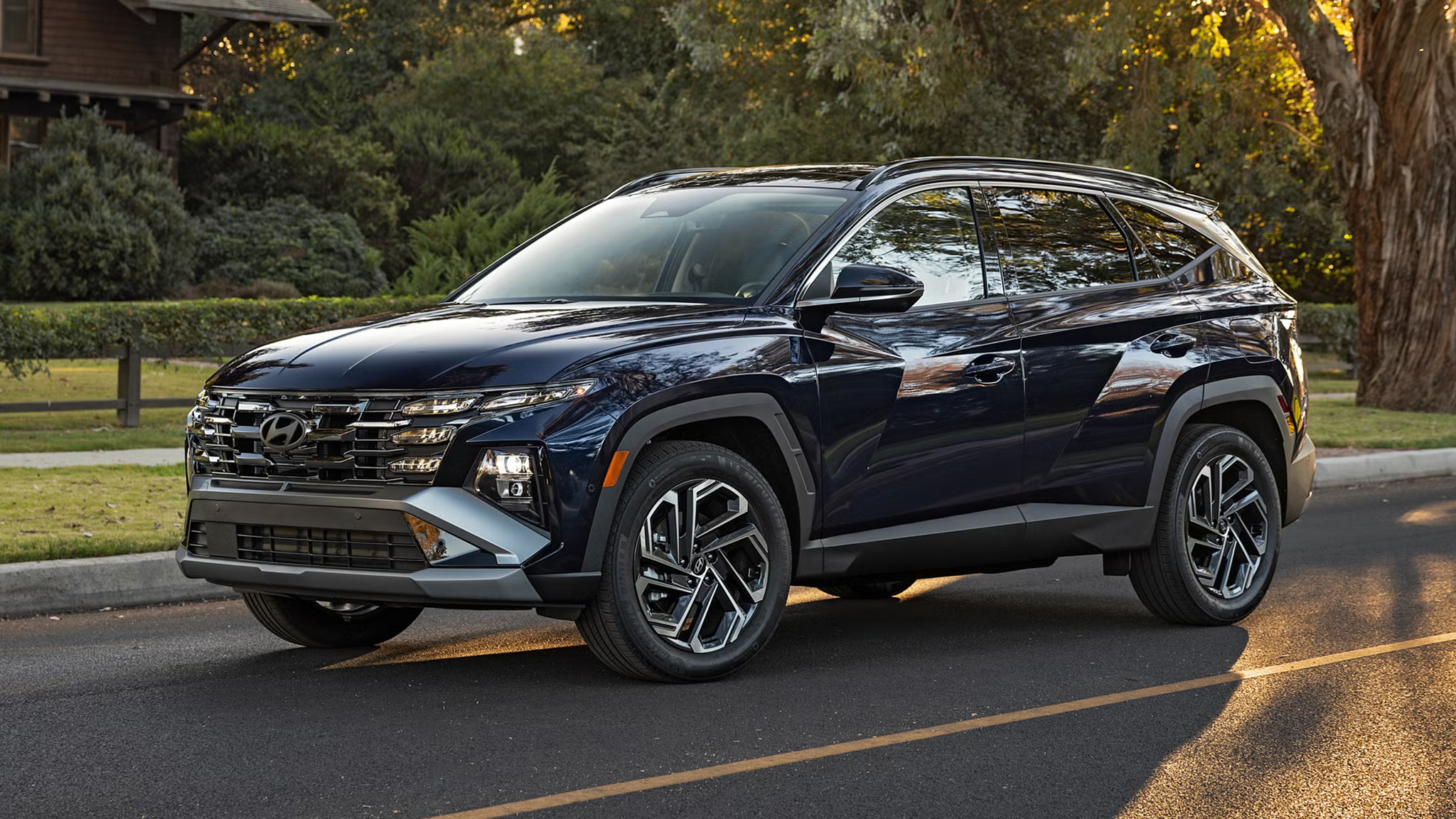
- 2025–2026 Hyundai Elantra
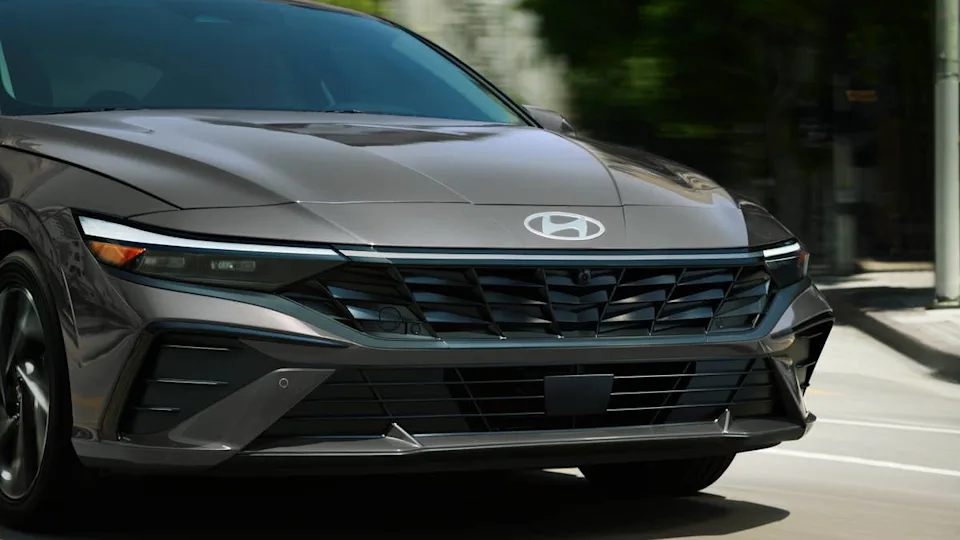
- 2025–2026 Hyundai Ioniq 5
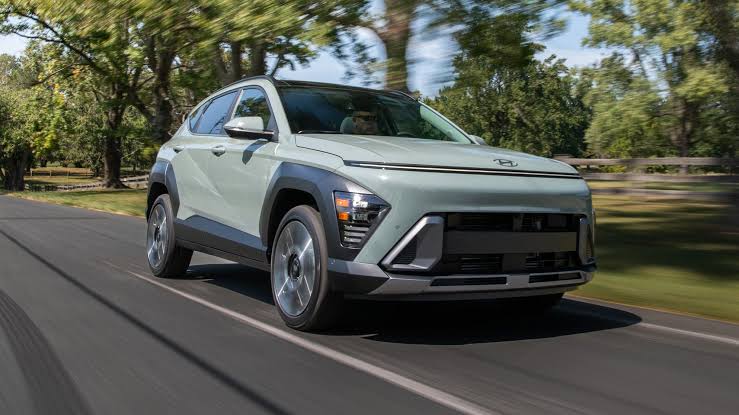
- 2025–2026 Hyundai Kona Electric
What Is the Problem?
According to the recall documentation filed with the National Highway Traffic Safety Administration (NHTSA), the root cause of the issue lies within the Forward Collision-Avoidance Assist (FCA) system — a driver-assistance technology designed to automatically apply the brakes when the system detects a potential front-end collision.
However, due to a software defect, the FCA system may incorrectly interpret sensor data and trigger an emergency braking event even when there is no actual obstacle or collision risk present. This unintended activation can occur at highway speeds, significantly increasing the risk of a rear-end collision from vehicles following behind.
This type of failure is particularly dangerous because it is sudden, unexpected, and can happen without any driver input or warning. In highway or high-speed conditions, the following vehicle may not have sufficient time to react, making rear-end collisions — and potentially multi-vehicle pileups — a genuine and serious safety concern.
Hyundai Elantra — Also Affected
Hyundai Ioniq 5 — Electric Vehicle Also Recalled
What Will Hyundai Do to Fix This?
Hyundai has confirmed that the remedy for this defect is a free-of-charge software update to the FCA system. Authorized Hyundai dealerships will reprogram the vehicle's control module to correct the faulty sensor interpretation logic. The update is expected to resolve the unintended braking behavior without requiring any physical part replacement.
Hyundai has stated that owner notification letters will be mailed out, and owners are encouraged to contact their nearest authorized dealership to schedule the software update at their earliest convenience.
Hyundai Santa Cruz — Pickup Also Recalled
Hyundai Kona Electric — Compact EV Recalled
Is This Recall Relevant to Azerbaijan?
While this recall was formally filed with the NHTSA in the United States, it carries serious implications for Azerbaijani consumers as well. Hyundai vehicles are widely sold and driven across Azerbaijan, with models like the Tucson, Elantra, and Ioniq 5 being among the most popular choices. If you own or have recently purchased a 2025 or 2026 model year Hyundai — whether through official or unofficial import channels — your vehicle may carry the same defective FCA software version flagged in this recall.
As BakuWheels, we strongly advise Azerbaijani owners of the affected models to take the following steps:
- Check your VIN (Vehicle Identification Number) on Hyundai's official recall lookup tool at hyundaiusa.com or the NHTSA website at nhtsa.gov.
- Confirm your model year — this recall applies exclusively to 2025 and 2026 model year vehicles. Owners of earlier model years are not affected by this specific recall.
- Contact your local authorized Hyundai dealer in Azerbaijan and inquire about whether your vehicle's FCA software is up to date.
- Avoid aggressive highway driving until the software update has been performed, particularly in dense traffic conditions where unexpected braking could be hazardous.
- Stay informed by following BakuWheels for the latest updates on vehicle safety recalls affecting Azerbaijan.
Background on Forward Collision-Avoidance Assist (FCA)
The Forward Collision-Avoidance Assist system is a sophisticated safety technology that uses a combination of radar sensors and cameras mounted at the front of the vehicle to monitor traffic ahead. When the system calculates that a collision is imminent, it alerts the driver and, if no corrective action is taken, automatically applies the brakes.
While FCA systems have proven to dramatically reduce the number of rear-end and front-end collisions globally, they are not infallible. Software errors, sensor misreadings, and environmental conditions — such as rain, snow, or bright sunlight — can sometimes confuse these systems, leading to unintended activations like those described in this recall.
Hyundai's Track Record on Safety Recalls
This is not Hyundai's first recall in recent years. The South Korean automaker has faced several recalls related to engine fires, electrical issues, and software glitches across its model lineup. However, the company has generally responded proactively to NHTSA investigations and consumer complaints, issuing fixes at no cost to vehicle owners.
The automotive industry broadly acknowledges that as vehicles become increasingly software-dependent, the frequency of software-related recalls is expected to rise. Over-the-air (OTA) software updates, as seen in Tesla and other modern EVs, are becoming a preferred solution — but many vehicles still require a physical dealership visit for such updates.
Final Thoughts from BakuWheels
As automotive experts and trusted voices for Azerbaijani drivers, BakuWheels urges all owners of the affected 2025–2026 Hyundai models to act promptly. Vehicle safety recalls are free and are designed to protect you, your passengers, and other road users. Do not delay in scheduling your vehicle's software update with an authorized Hyundai dealer.
If you are unsure whether your vehicle is affected, use Hyundai's official VIN lookup tool or contact BakuWheels directly for guidance. Your safety on Azerbaijan's roads is our priority.
Source: Top Class Actions / NHTSA Recall Database