

Eagle
Chrysler's bold response to the import invasion — Eagle was created to sell rebadged Renault and Mitsubishi cars under an American name, bridging European engineering and American marketing until market reality ended the experiment.
Origins & Heritage
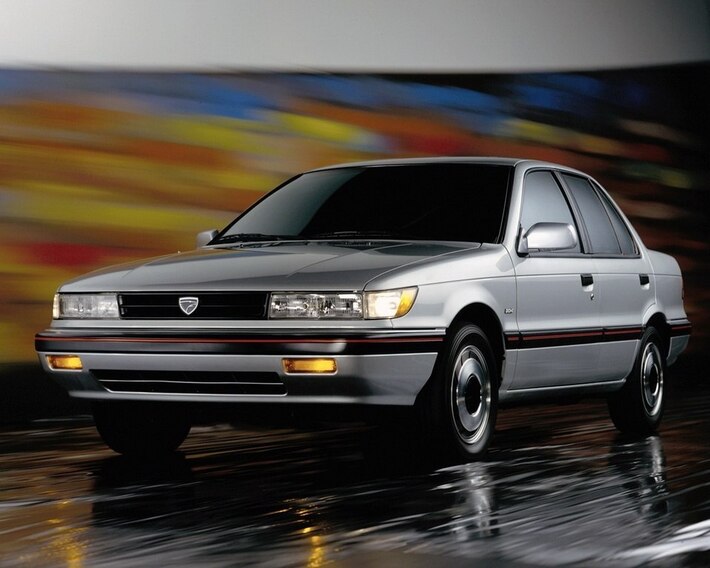
Eagle was created by Chrysler Corporation in 1988 following its acquisition of American Motors Corporation (AMC) in 1987. Chrysler acquired AMC primarily for its Jeep brand, but inherited AMC's dealer network and its existing relationship with Renault, which had been producing the Alliance and Medallion models for the American market. Rather than simply abandoning the AMC distribution infrastructure, Chrysler created the Eagle brand to continue selling these existing models while adding rebadged Mitsubishi products to broaden the range.
Eagle occupied a curious middle ground in the American market — simultaneously selling Renault-derived European economy cars, Mitsubishi-built Japanese-engineered vehicles, and eventually a purpose-built AMC/Jeep-derived Eagle Vision luxury sedan. The brand was positioned as forward-looking and international at a time when American buyers were increasingly receptive to European and Japanese cars, yet many Eagle models were ultimately badge-engineered products rather than original designs.
Eagle's most significant original model was the Eagle Vision, introduced in 1992 and based on Chrysler's LH platform — a large, aerodynamically styled sedan that genuinely competed with European luxury imports. However, the brand never achieved strong consumer identification, and Chrysler discontinued Eagle in 1998 after a decade of modest sales, redirecting its dealer network and marketing resources toward the main Chrysler, Dodge, and Jeep brands.
Key Milestones
Notable Models
Eagle's decade-long history produced a mix of rebadged imports and genuinely original American designs.
Technology & Innovation
Eagle vehicles spanned several different platforms and parent companies, resulting in an eclectic mix of European, Japanese, and American engineering across the model range.
- Chrysler LH platform (Vision) — the advanced cab-forward LH platform used in the Vision produced class-leading interior space through its elongated wheelbase and short overhangs
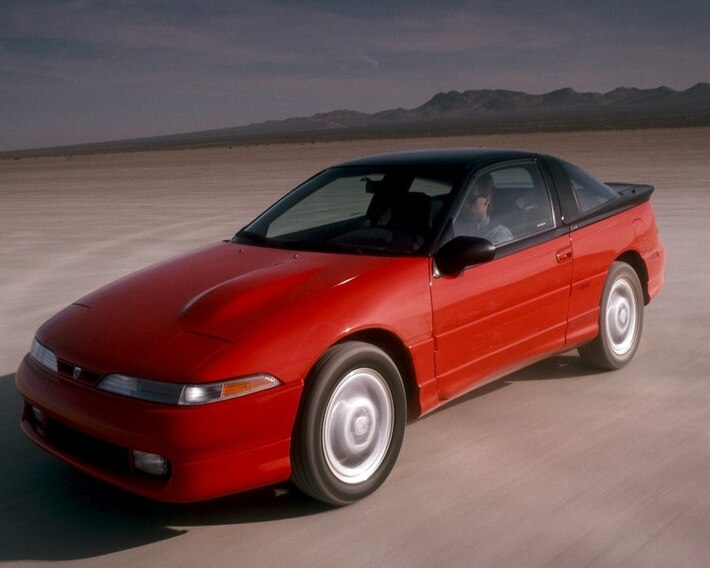
- Mitsubishi AWD turbocharged systems (Talon TSi AWD) — the Talon's all-wheel-drive turbocharged variant offered genuine performance-car credentials at a price accessible to young buyers
- Multi-port fuel injection — Eagle models used contemporary fuel injection systems across the range, providing clean emissions and reliable cold-starting compared to carburettored American alternatives of the period
Eagle in Azerbaijan
Eagle vehicles are rarely encountered in Azerbaijan. The brand's production was focused entirely on the North American market, and very few examples reached the Caucasus region. Some Eagle Talons and Visions may have been imported informally in the late 1990s and 2000s as the Azerbaijani used car market developed, but the brand has no formal distribution history in the country.
For Azerbaijani automotive historians, Eagle represents a fascinating case study in American brand strategy — a manufacturer created primarily as a distribution channel for acquired brands rather than from a genuine design vision. Eagle's brief existence illustrates the challenges of building consumer loyalty around a brand with an unclear identity and mixed engineering heritage.
Why Eagle Is Remembered
- The Vision's legacy: The Eagle Vision demonstrated what Chrysler could achieve with original American design — its cab-forward proportions were genuinely innovative and directly influenced the Chrysler LHS, Dodge Intrepid, and Chrysler 300M that followed.
- The Talon's cult following: The Eagle Talon TSi AWD developed a devoted following among 1990s performance car enthusiasts, and well-maintained examples remain sought-after collector cars for buyers who grew up with them.
- Automotive history footnote: Eagle's story — from AMC acquisition through Renault partnership to Mitsubishi badge-engineering — encapsulates the complex corporate manoeuvres of the American auto industry in the late 1980s and 1990s.
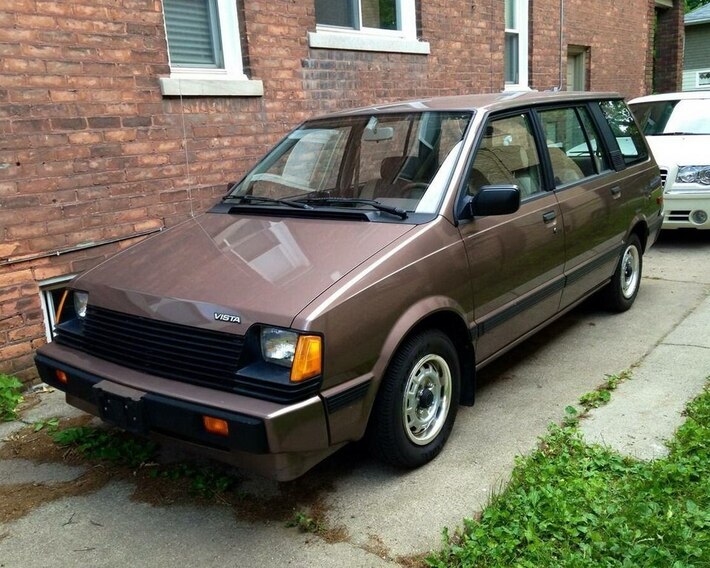
Eagle in Pictures
Browse images of the Eagle lineup available in Azerbaijan.
BakuWheels uses cookies to improve your experience, analyse site traffic, and personalise content. By clicking Accept All, you consent to our use of cookies. Learn more in our Cookie Policy.