

Excalibur
A daring American dream in chrome and wire wheels — Excalibur brought the romance of 1930s luxury motoring back to life for four decades, creating hand-built neo-classic roadsters that turned heads on every street.
Origins & Heritage
Excalibur was founded in 1964 by Brooks Stevens, a celebrated American industrial designer based in Milwaukee, Wisconsin. Stevens was commissioned to design a show car for the 1964 New York Auto Show using a Studebaker Avanti platform, and the result was so widely admired that he decided to put it into limited production. The design drew inspiration from the great Mercedes-Benz SSK sports cars of the late 1920s and early 1930s — long bonnets, external exhaust pipes, cycle-wing fenders, wire wheels, and sweeping rakish lines that evoked the golden age of European motoring.
Excalibur cars were built in very limited numbers by hand at Brooks Stevens' workshops, using General Motors mechanical components — initially Studebaker, later Chevrolet Corvette running gear — in bespoke neo-classic bodywork. Each car featured leather upholstery, polished brightwork, period-style instrumentation, and the dramatic exterior styling that made Excalibur instantly recognisable. The cars offered their wealthy owners the emotional experience of driving a 1930s exotic with the reliability and parts availability of a contemporary American vehicle.
Production of Excalibur cars continued under the Brooks Stevens family until 1988, when the company was sold to new investors. A final series of vehicles was produced through 1990 under the new ownership. In total, approximately 3,000 Excalibur vehicles were built across the brand's 26-year production run. Today, surviving Excaliburs are prized by American neo-classic car collectors and regularly appear at concours events and vintage car rallies, where their combination of dramatic styling and accessible mechanicals continues to attract admiration.
Key Milestones
Notable Models
Excalibur produced four main series across its history, each refining the neo-classic formula while maintaining the dramatic 1930s-inspired visual character.
Engineering & Construction
Excalibur cars were built on a tubular steel chassis, using American V8 mechanicals dressed in hand-formed neo-classic bodywork. The formula was deliberately practical — the use of GM running gear ensured that mechanical reliability and parts availability were far better than those of true vintage cars.
- Chevrolet Corvette running gear — the adoption of the Corvette's small-block V8 engine, four-speed gearbox, and suspension gave Excalibur genuine performance credentials alongside the dramatic styling
- Tubular steel ladder chassis — a purpose-built frame designed specifically for the Excalibur body rather than using unmodified donor vehicles, providing appropriate structural integrity for a bespoke body design
- Hand-formed fibreglass bodywork — Excalibur's dramatic exterior panels were formed in fibreglass to achieve the compound curves of the neo-classic design, allowing the complex shapes of cycle wings, long bonnets, and swept fenders to be reproduced consistently
- External exhaust pipes — purely aesthetic but crucially important to the design, the polished external exhaust headers running along the flanks of the engine bay were a signature feature of every Excalibur model
Excalibur in Azerbaijan
Excalibur vehicles are extremely rare in Azerbaijan — as hand-built American neo-classic cars produced in very limited numbers, surviving examples are primarily concentrated in the United States. Very few have made their way to the Caucasus region, though some may be held in private collections by Azerbaijani automotive enthusiasts with an interest in American collector cars.
For Azerbaijani automotive enthusiasts, Excalibur represents the American tradition of personalised, theatrical motoring — a tradition that also includes brands such as Auburn, Cord, and the early Cadillac custom coachbuilders. Excalibur's achievement was to recreate the emotional experience of 1930s grand touring using contemporary American components, making the dream accessible to buyers who loved the style but needed modern reliability.
Why Excalibur Endures
- Theatrical brilliance: No car in the post-war era reproduced the visual drama of pre-war grand touring so successfully or so accessibly as the Excalibur. Its combination of cycle wings, wire wheels, external exhausts, and sweeping bonnet lines remains one of the most compelling car designs ever assembled.
- Practical vintage: By using contemporary Corvette mechanicals, Excalibur gave its buyers everything they wanted from the vintage experience — the drama, the theatre, the drama — without the maintenance complexity, parts scarcity, and unreliability of genuine 1930s cars.
- Collector's icon: Well-preserved Excalibur cars consistently attract attention at American concours events and represent accessible entry points into the neo-classic collector car market, with a dedicated owner community that maintains the brand's heritage.
- Brooks Stevens' design legacy: Brooks Stevens was one of America's most prolific and talented industrial designers, and the Excalibur represents his most personal automotive achievement — a car that expressed his own aesthetic sensibility rather than a corporate client's brief.
Iconic Models in Pictures
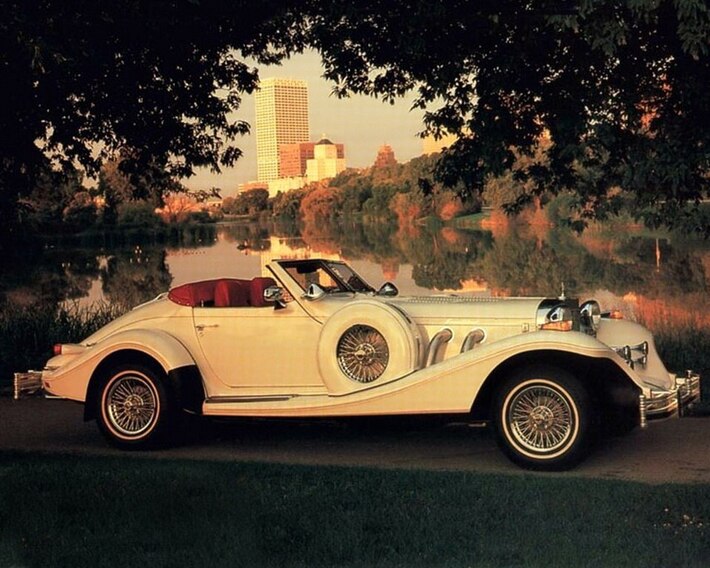
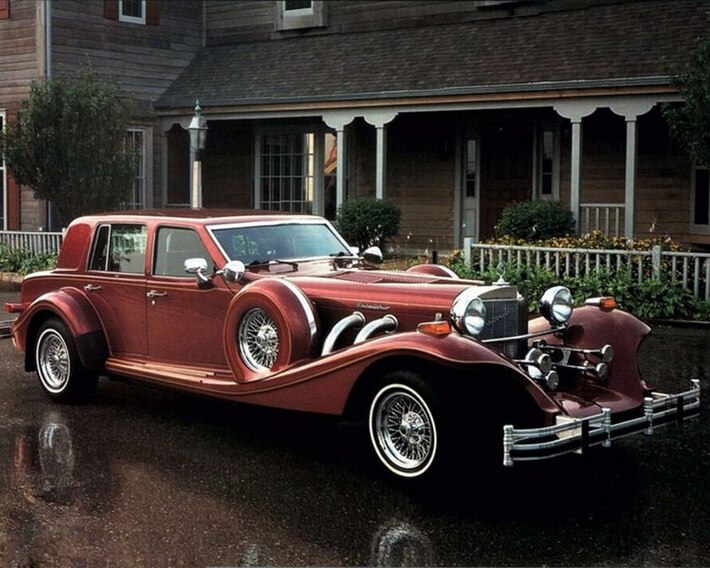
Excalibur vehicles — a visual selection of the iconic models produced by this manufacturer.
BakuWheels uses cookies to improve your experience, analyse site traffic, and personalise content. By clicking Accept All, you consent to our use of cookies. Learn more in our Cookie Policy.