

Innocenti
The Milan manufacturer that produced the iconic Lambretta scooter and Italy's most beloved Mini — a company whose products shaped the mobility of post-war Italian society with style and practicality.
Origins of Innocenti
Ferdinando Innocenti founded his company in Milan, Italy, in 1931 as a manufacturer of steel tubes and pipes — the Innocenti engineering background was in industrial metalworking rather than vehicles. The company's transition into personal transport came after World War II, driven by the same social need that produced the Vespa: millions of Italians needed affordable, practical, and reliable transport to rebuild their lives and livelihoods. In 1947, Innocenti introduced the Lambretta motor scooter — a vehicle that would become one of the defining cultural products of post-war Italy.
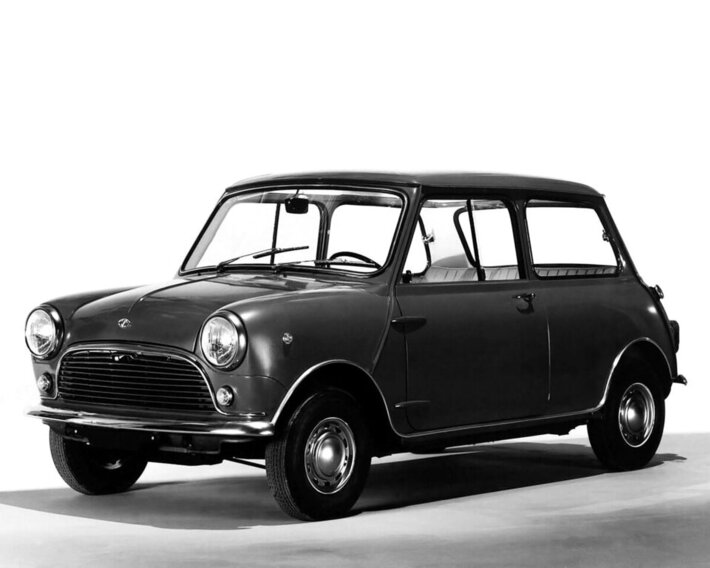
The Lambretta competed directly with the Piaggio Vespa for the soul of Italian urban mobility, and the rivalry between the two scooters became one of the great commercial and cultural competitions in Italian industrial history. Lambretta scooters were exported worldwide and became synonymous with Italian style and ingenuity — a practical vehicle whose elegant form made utility aspirational. By the early 1960s, Innocenti expanded into automobile production, initially assembling Austin A40s under licence, then introducing the Innocenti Mini — a licensed production of the British Mini that became enormously popular in Italy for its combination of practicality, style, and Innocenti's characteristic attention to quality.
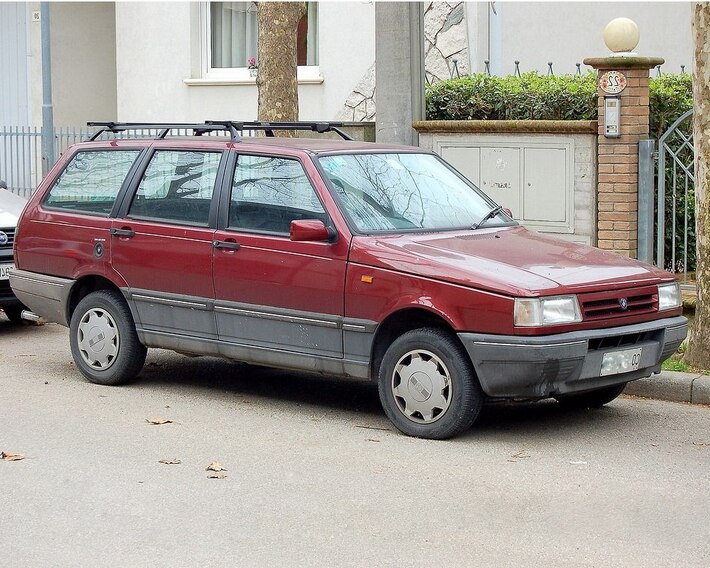
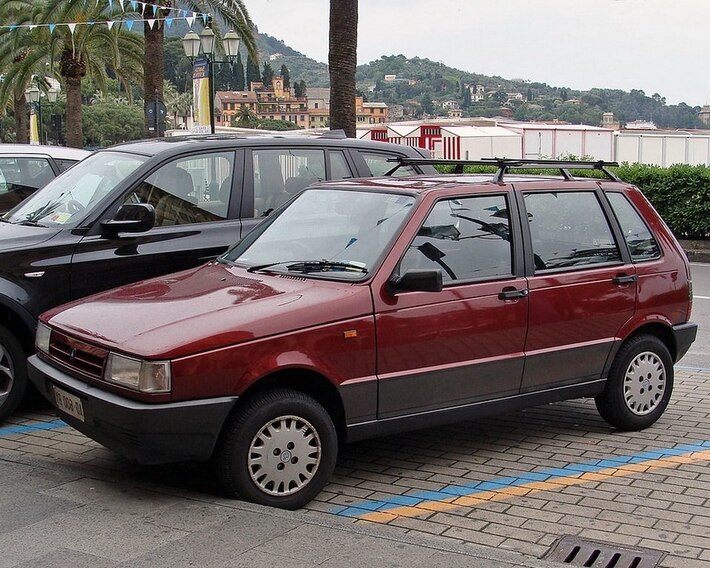
British Leyland acquired Innocenti in 1972, but financial difficulties led to the company passing to Alessandro De Tomaso in 1976. Under De Tomaso, Innocenti developed distinctive small cars with Bertone bodies — including the innovative Innocenti 90L and 120L, small hatchbacks with Bertone styling that predated the mainstream European supermini segment. The brand eventually came under Fiat Group ownership, with production of Innocenti models continuing until 1997. Today, the Lambretta brand has been revived for a new generation of scooters, though Innocenti as an automobile manufacturer no longer operates.
Key Milestones
Notable Models
Innocenti's vehicle history spans scooters, licensed car production, and original Italian designs — each representing a distinct chapter in the company's creative evolution.
Technology & Engineering
Innocenti's engineering approach combined licensed technology from established partners with Italian attention to detail, creating products that often exceeded the quality of their originals in manufacturing refinement.
- Lambretta: enclosed engine and drivetrain design — unlike the Vespa's body-panel engine cover approach, early Lambrettas had a fully enclosed engine with a separate compartment, providing better weather protection for the mechanical components
- Italian-market Mini improvements — Innocenti's Mini production incorporated quality improvements in panel fitting, trim materials, and final assembly standards that made Italian-built Minis distinguishable in quality from British production
- Bertone collaboration on styling — Innocenti's partnership with one of Italy's greatest design houses produced small cars of exceptional aesthetic quality, demonstrating how coachbuilding artistry could be applied to volume small car production
- Practical packaging and efficiency — throughout its model history, Innocenti consistently maximised interior space within minimum external dimensions, a capability that reflected deep Italian experience with the specific requirements of urban Italian motoring
Innocenti in Azerbaijan
Innocenti vehicles, including surviving Lambrettas and Italian-market Minis, have no established presence in Azerbaijan. As Italian classics from the post-war era, surviving Innocenti automobiles are found primarily in Italy and in collections maintained by Italian automotive heritage enthusiasts across Europe.
The Lambretta scooter's revival means that a new generation of Lambretta-branded scooters is available in some international markets, though not yet in Azerbaijan. For Azerbaijani automotive enthusiasts, Innocenti represents one of Italy's most creative and socially significant automotive manufacturers — a company that combined engineering licence with Italian design sensibility to produce vehicles that genuinely shaped Italian society and mobility culture in the post-war decades.
Why Innocenti Matters
- Post-war Italian mobility enabler: The Lambretta, alongside the Vespa, made personal motorised transport accessible to millions of Italians in the post-war period — enabling the economic mobility that powered Italy's remarkable recovery and contributed to the creation of Italian consumer culture.
- Quality improvement of licensed products: Innocenti's production of the Mini in Italy demonstrated how a manufacturer with genuine commitment to quality could improve upon a licensed product — the Italian Mini's assembly quality exceeded that of its British counterpart in measurable ways, demonstrating that manufacturing culture determines product quality as much as design.
- Bertone design partnership: Innocenti's collaboration with Bertone for its later models produced small cars of exceptional aesthetic quality — demonstrating that great design is not a luxury reserved for expensive vehicles, and that Italian industrial design culture can elevate even the most modest product.
- Scooter culture legacy: The Lambretta's global cultural influence — particularly on British mod culture in the 1960s — extended far beyond its Italian origins to shape youth culture, fashion, and music across multiple continents, making Innocenti one of the Italian manufacturers with the broadest global cultural footprint.
makes.innocenti.galleryTitle
makes.innocenti.galleryDesc
BakuWheels uses cookies to improve your experience, analyse site traffic, and personalise content. By clicking Accept All, you consent to our use of cookies. Learn more in our Cookie Policy.