
Lamborghini
Born from a tractor manufacturer's argument with Enzo Ferrari, Lamborghini has spent six decades producing the most visually spectacular, aurally magnificent, and viscerally thrilling cars the world has ever seen. The raging bull has never stopped charging.
Origins & Heritage
The founding of Automobili Lamborghini is one of automotive history's great origin stories. Ferruccio Lamborghini, a successful tractor manufacturer from Sant'Agata Bolognese, bought a Ferrari 250 GT in 1963 and complained to Enzo Ferrari about the quality of the clutch. Ferrari — dismissive and imperious — reportedly told Lamborghini to go back to his tractors and stop telling Ferrari how to build sports cars. Ferruccio's response was to found Automobili Lamborghini that same year.
The Miura of 1966 changed the automotive world. The first mid-engined production supercar, designed by Marcello Gandini at Bertone and powered by a transversely mounted 4.0-litre V12, the Miura made every existing sports car look technologically obsolete at a stroke. Rod Stewart owned one; Frank Sinatra was photographed with one. The Miura defined what a supercar should be — and Lamborghini has been defining it ever since.
The Countach of 1974 took the visual vocabulary even further — scissor doors, wedge body, impossibly aggressive proportions that covered the bedroom walls of every child who grew up in the 1970s and 1980s. The Diablo, the Murciélago, the Aventador, and now the Revuelto have maintained an unbroken tradition of maximalism.
Key Milestones
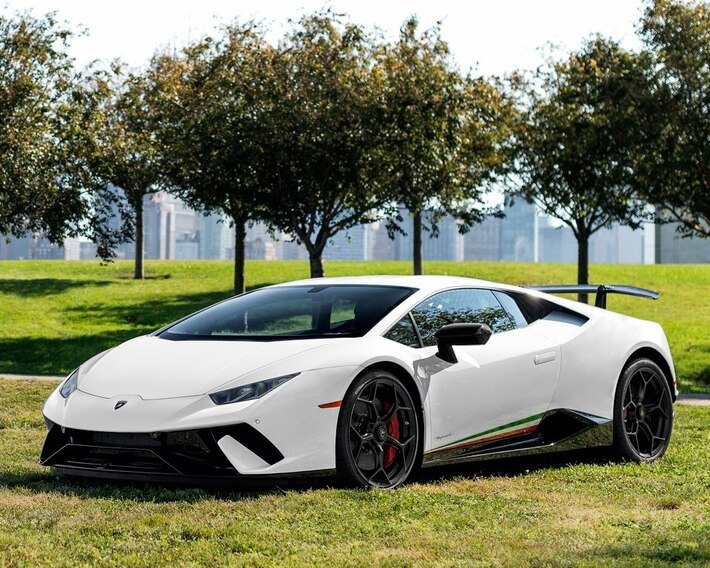
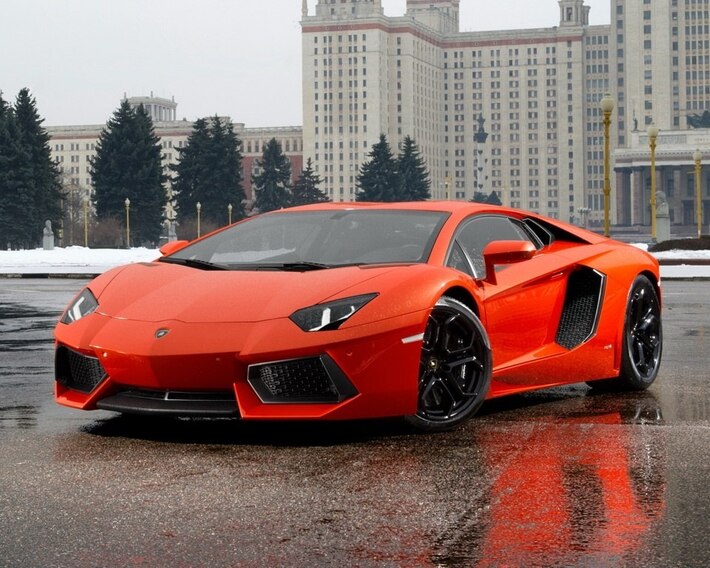
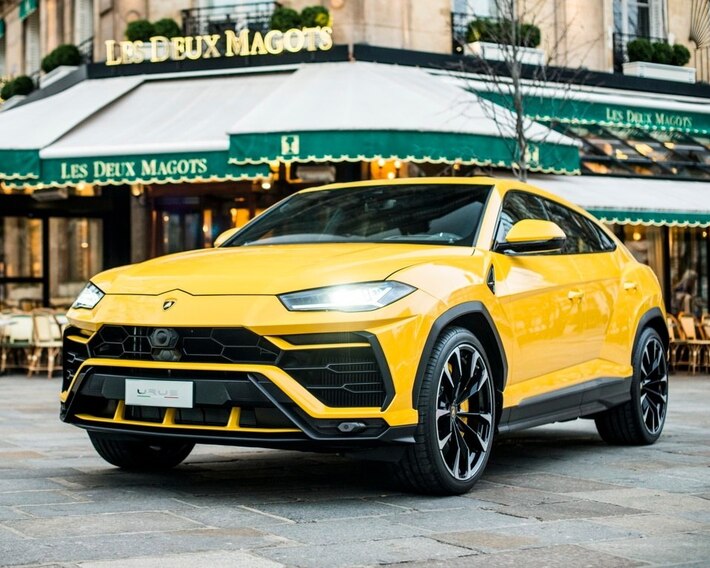
Iconic Models in Pictures
The Miura's mid-engine revolution, the Countach's iconic poster presence, the Urus's unexpected super-SUV — Lamborghini has always defined the outer limits of automotive possibility.
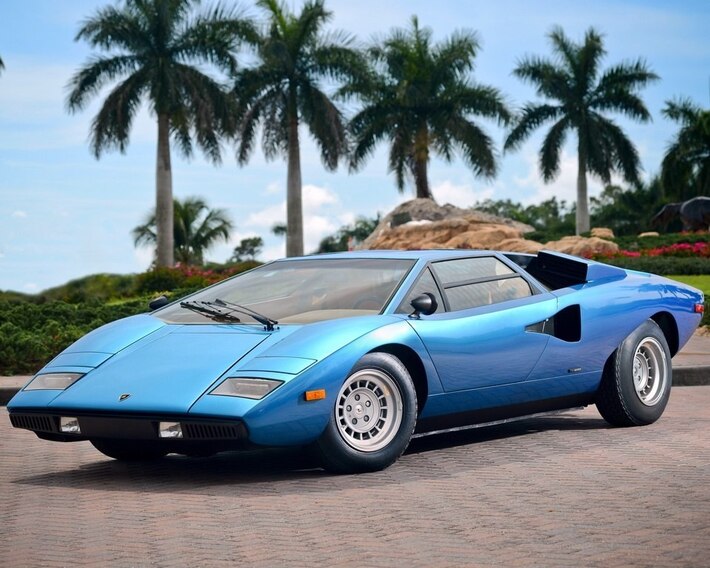
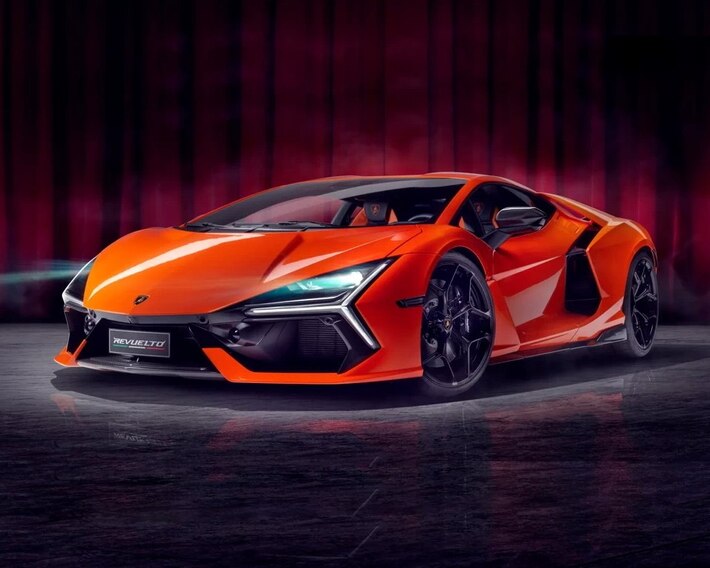
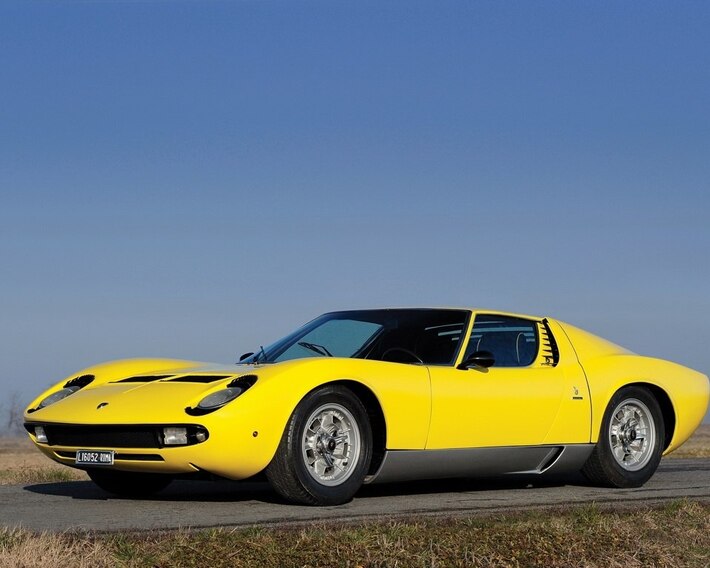
Signature Model Lineup
Every Lamborghini name references the world of bullfighting — a Spanish tradition of bravery and raw power that Ferruccio Lamborghini adopted from his own taurean zodiac sign. The current range spans a V10 entry supercar, a V12 PHEV flagship, and a super-SUV — all united by the most visually dramatic design language in the industry.
Technology & Innovation
Lamborghini's technological approach combines Volkswagen Group engineering rigour with Italian fearlessness. The Revuelto's HPEV (High Performance Electrified Vehicle) architecture is the most complex Lamborghini has ever engineered — a 6.5-litre naturally aspirated V12 working in concert with three electric motors producing 1,001 hp while maintaining the analogue, high-revving character the brand has always championed.
Carbon fibre technology is central to Lamborghini's engineering identity. The Advanced Composites Structures Laboratory in Sant'Agata develops carbon fibre technologies used throughout the product range — the Aventador's carbon monocoque was the first production car to use it as a primary structural material.
- HPEV architecture — V12 + 3 electric motors = 1,001 hp with naturally aspirated character preserved
- Carbon fibre monocoque — pioneered in Aventador, continued in Revuelto for extreme stiffness and low weight
- Lamborghini Dinamica Veicolo Integrata (LDVI) — central processing unit managing all dynamic systems simultaneously
- Rear-wheel steering — Huracán and Urus use rear axle steering for agility at low speed, stability at high speed
- Forged Composite technology — proprietary aluminium-carbon composite material stronger than carbon fibre alone
- Advanced Composites Structures Laboratory — dedicated R&D facility developing next-generation carbon technologies
Lamborghini in Azerbaijan
Lamborghini holds a special position in Azerbaijan's ultra-premium automotive culture — the brand's visual drama and Italian excess make it the most recognisable supercar marque among the country's most successful individuals. Urus SUVs and Huracán sports cars are the most visible Lamborghinis on Baku's streets, combining daily usability with the unmistakable Lamborghini presence.
The Urus has been particularly successful in attracting Azerbaijani buyers who want Lamborghini's character in a more practical body — combining genuine supercar performance with ride height, cargo space, and family accommodation. Its combination of 666 hp and Lamborghini's visual language has made it one of the most aspirational vehicles across the South Caucasus region.
Why Choose Lamborghini?
- Visual maximalism: No car commands more attention than a Lamborghini — every model is designed to be impossible to ignore, from colour to proportions.
- V12 naturally aspirated: The Revuelto's 6.5L V12 produces a sound experience that turbocharged and electric cars cannot replicate — one of the last great naturally aspirated supercars.
- Urus versatility: A 666 hp SUV that can tow, carry passengers, go off-road, and do 305 km/h — Lamborghini's most practical product without any compromise of character.
- Origin story: Founded in direct response to Ferrari — the competitive spirit of that founding argument has never left.
- VW Group engineering: Audi ownership provides world-class engineering foundation, quality control, and global parts support.
- Electrification leadership: The Revuelto and Urus SE PHEV demonstrate that electrification adds performance — Lamborghini's hybrid system is additive, not restrictive.
BakuWheels uses cookies to improve your experience, analyse site traffic, and personalise content. By clicking Accept All, you consent to our use of cookies. Learn more in our Cookie Policy.