

McLaren
McLaren brings Formula 1 engineering principles to road cars — creating the world's most technologically advanced supercars with a philosophy of "ultimate automotive technology."
Origins & Heritage
McLaren traces its origins to 1963, when New Zealand racing driver Bruce McLaren founded Bruce McLaren Motor Racing Ltd. The team rapidly rose to the top of motorsport, winning Formula 1 Constructors' Championships and producing championship-winning drivers. In 1985, Ron Dennis established McLaren Cars Limited — the dedicated road car division — with the singular ambition of creating the ultimate road car.
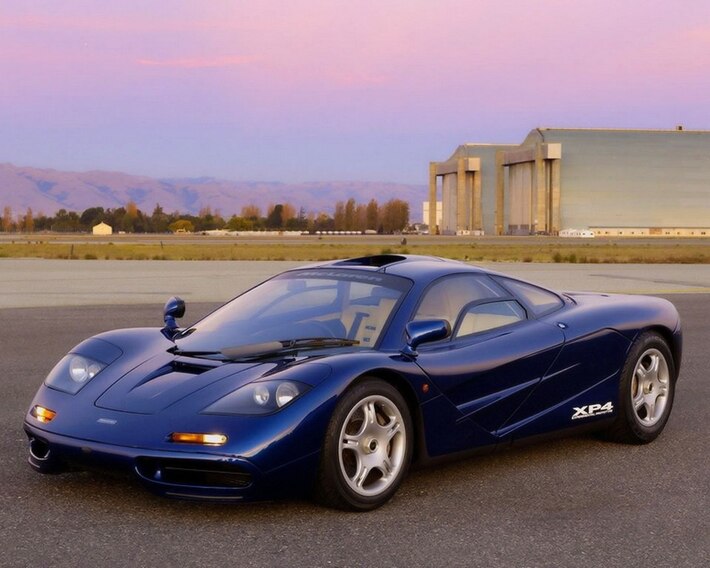
The McLaren F1 (1993) became the most iconic supercar ever — naturally aspirated V12, 627 hp, 386 km/h top speed, remained fastest production car for 14 years.
Modern McLaren applies F1 philosophy to contemporary supercars and grand tourers using carbon fiber, hybrid powertrains, and active aerodynamics.
Key Milestones
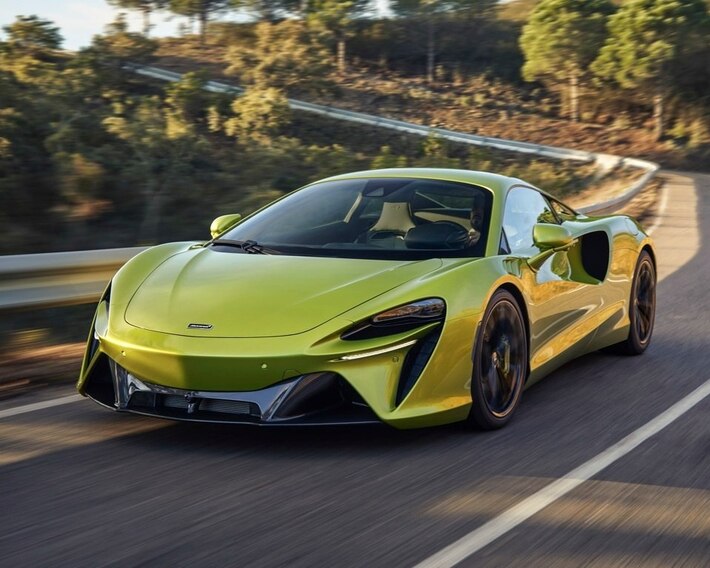
Iconic Models in Pictures
From F1 heritage to modern Senna, Artura, and GT, McLaren represents pinnacle of engineering.
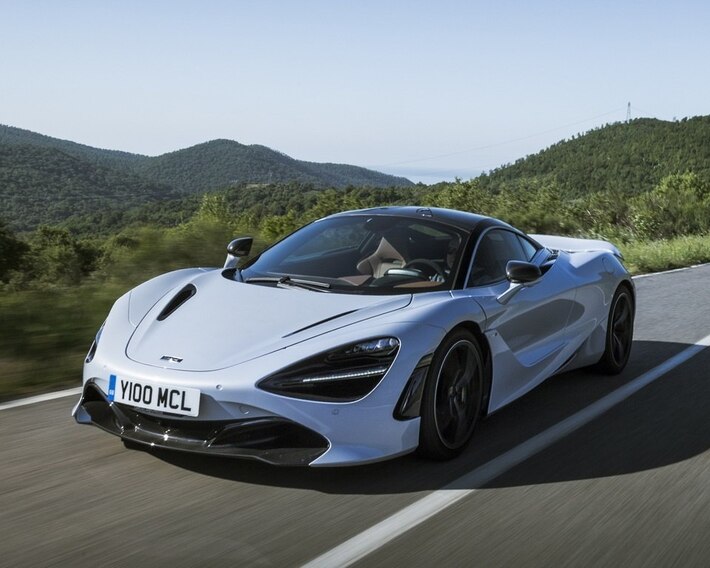
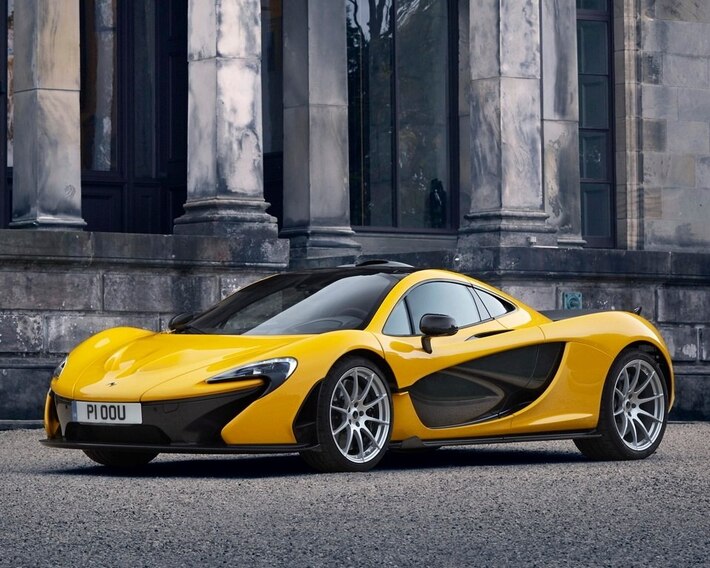
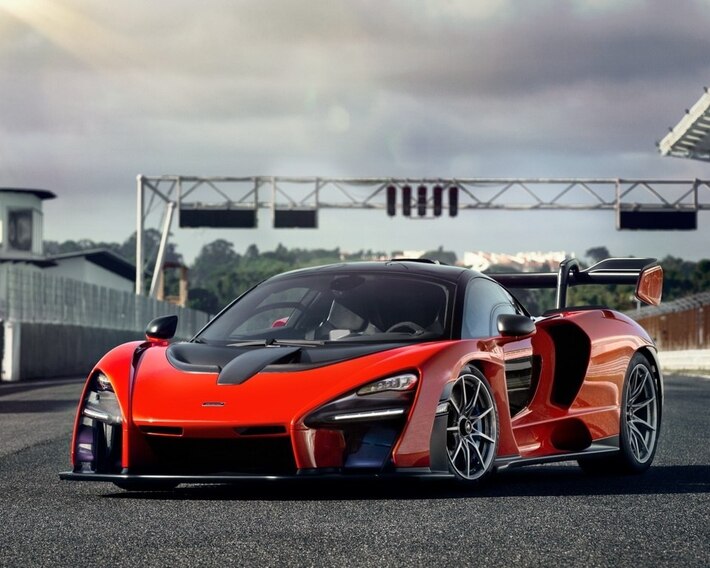
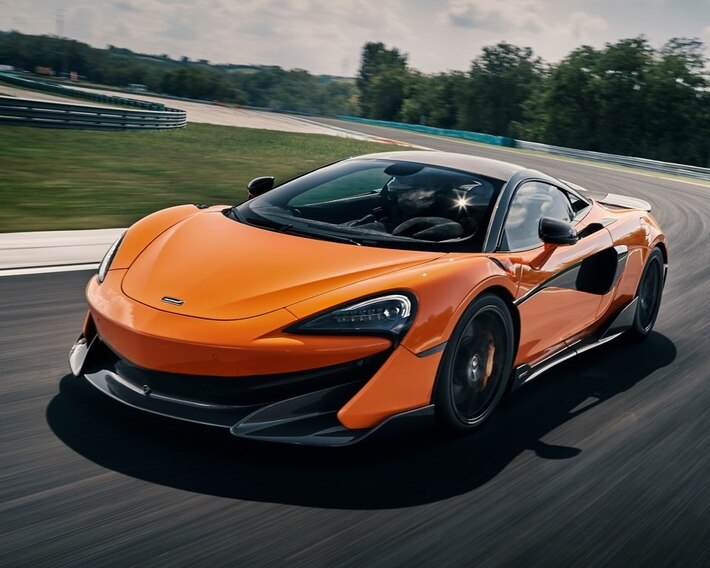
Model Lineup
McLaren's range spans from ultimate track weapons to grand touring supercars.
Technology & Innovation
McLaren applies Formula 1 technology to road cars: carbon fiber construction, active aerodynamics, hybrid powertrains.
- Monocell II-T carbon fibre chassis — in-house carbon tub production at the McLaren Production Centre
- Twin-turbocharged M630 V8 — McLaren’s own engine family, 720–750 hp depending on state of tune
- Proactive Chassis Control II — hydraulically interconnected suspension providing both ride comfort and flat cornering
- McLaren Artura PHEV — twin-turbo V6 + electric motor, no additional weight penalty over equivalent non-hybrid
- RaceActive Chassis Control — variable-stiffness spring-free suspension on Ultimate Series models
McLaren in Azerbaijan
McLaren supercars represent ultimate automotive technology — exceptionally rare and exclusive in Baku.
F1 heritage and engineering excellence position McLaren as supercar pinnacle.
Why Choose McLaren?
- F1 DNA: Formula 1 engineering principles applied to road cars.
- Carbon fiber excellence: Monocoque construction for ultimate strength-to-weight.
- Hybrid technology: Cutting-edge electrification in supercars.
- Active aerodynamics: Dynamic performance optimization.
- British engineering: Woking tradition of excellence.
BakuWheels uses cookies to improve your experience, analyse site traffic, and personalise content. By clicking Accept All, you consent to our use of cookies. Learn more in our Cookie Policy.