Plymouth
Chrysler's Value Brand: From Barracuda Muscle Cars to the Family Minivan Revolution.
Origins & Heritage
Plymouth was launched in 1928 by Walter P. Chrysler as an affordable entry-level brand designed to compete with the Ford Model A and Chevrolet in the rapidly growing low-price American automobile market. The brand name referenced the Plymouth Rock — the legendary landing site of the Mayflower Pilgrims in 1620 — evoking themes of American pioneering spirit, rugged dependability, and the foundational values of the nation. Plymouth's debut models were simple, sturdy, and mechanically sound, quickly establishing a reputation for value-for-money motoring that resonated with working-class American buyers during the economically turbulent late 1920s.
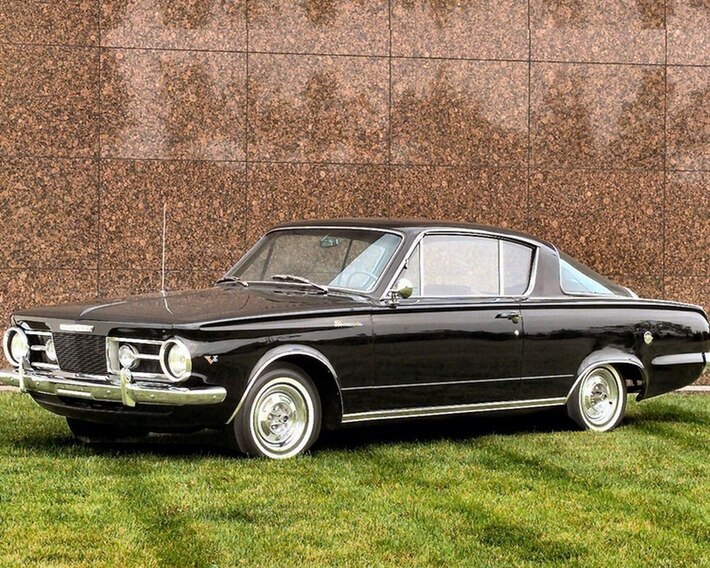
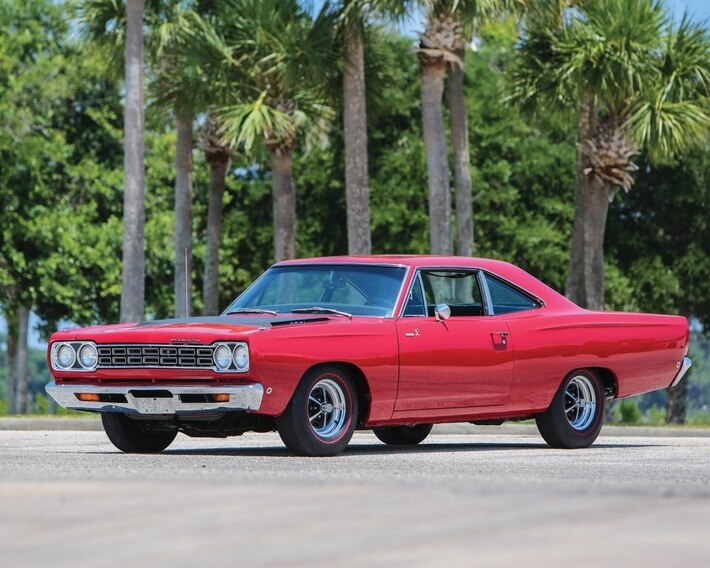
Plymouth's performance credentials were established in the muscle car era with models including the 1964 Barracuda — which actually pre-dated the Ford Mustang by two weeks as America's first pony car — and the 1968 Road Runner, a stripped-down performance sedan that deliberately offered maximum V8 performance at minimum cost. The 'Cuda variant of 1970 is considered one of the most coveted American muscle cars ever produced, with the rare 426 Hemi-engined versions among the most valuable collector vehicles in American automotive history.
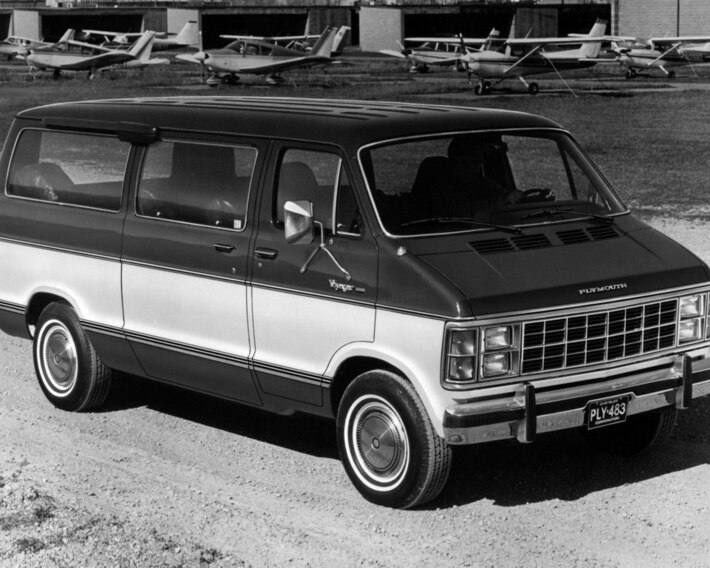
Plymouth contributed one of the most influential innovations in American automotive history when Chrysler launched the Plymouth Voyager minivan in 1984, simultaneously with the Dodge Caravan. The Voyager essentially created the American minivan segment as a mass-market product category, offering the carrying capacity of a traditional van with the driving dynamics of a passenger car and the family-friendly practicality that transformed American family motoring. Despite this legacy, Plymouth's brand identity became increasingly diluted through badge engineering in the 1990s, and Chrysler announced its discontinuation in November 1999, with final production ending in 2001.
Key Milestones
Iconic Models in Pictures
Plymouth's 73 years of production generated some of America's most culturally significant automobiles — from the pioneering Barracuda muscle car and the legendary 'Cuda to the minivan that transformed American family transport.
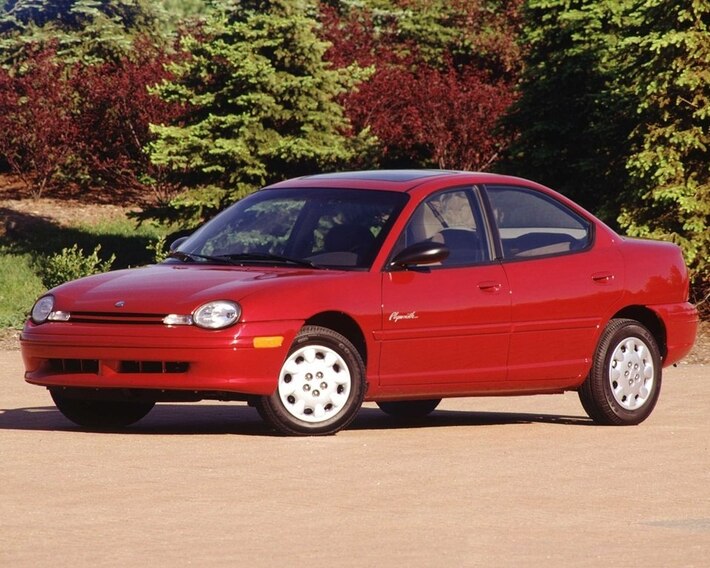
Model Lineup
Plymouth's product range moved from affordable economy sedans through the muscle car era's most celebrated models to the minivan revolution and compact cars of the 1990s, reflecting the full breadth of American consumer demand across seven decades.
Engineering & Technology
Plymouth's technical heritage is defined by Chrysler's engineering culture — a tradition of bold powertrains, capable suspension designs, and occasionally radical engineering choices that prioritised performance and capability over refined refinement. From the legendary Hemi engines through the pioneering K-Car front-wheel-drive platform that enabled the minivan revolution, Plymouth vehicles benefited from some of the most technically ambitious decisions in American automotive engineering.
- 426 Hemi V8 engine — Chrysler's hemispherical-head V8 produced from 1966 for street use and rated at 425 horsepower (widely believed to be underrated), the Hemi's superior combustion chamber geometry allowed exceptional breathing and power output; it remains the benchmark American muscle car engine and the most sought-after powertrain option for vintage Plymouth collectors
- K-Car front-wheel-drive platform — the front-wheel-drive transverse-engine K-Car platform was one of Chrysler's most commercially significant engineering investments, enabling the Voyager minivan's front-wheel-drive architecture that made the sliding-door family hauler practical to drive; the platform also underpinned numerous successful Chrysler, Dodge, and Plymouth models through the 1980s and 1990s
- Torsion bar front suspension — Chrysler's torsion bar front suspension design, used across Plymouth muscle car models, provided superior front geometry adjustment possibilities compared to the coil spring designs used by GM and Ford competitors, contributing to better handling balance in performance-tuned models
- Chrysler B-body platform — the full-size Chrysler B-body platform used across Road Runner, GTX, and Fury muscle car models provided the structural rigidity and firewall space needed to accept engines up to 440 cubic inches and the 426 Hemi; its engineering robustness made it the preferred platform for serious muscle car performance
- DOHC Neon engine — the optional twin-cam engine in the Plymouth Neon delivered genuine performance credentials in a small displacement package, with competitive power output and engine character that made it a notable option against contemporary European and Japanese compact competitors
Plymouth in Azerbaijan
Plymouth vehicles reached Azerbaijan primarily through the parallel import trade that opened CIS markets to American-market automobiles after the Soviet Union's dissolution. The most commonly encountered Plymouth in the region would have been the Voyager minivan, which was also sold as the Chrysler Voyager in export markets and valued for its spacious seven-seat capacity and front-wheel-drive practicality in varied road conditions. Some Neon compacts also made their way into the CIS market during the late 1990s as affordable, modern compact cars with genuine performance credentials in twin-cam form.
Buyers in Azerbaijan considering a used Plymouth should note that Chrysler platform components provide the mechanical foundation — Plymouth models share their mechanical architecture with Dodge counterparts (Neon with Dodge Neon, Voyager with Dodge Caravan) and sometimes with Chrysler branded models. This means that spare parts can often be sourced through the broader Chrysler/Dodge parts network, and mechanics familiar with Dodge products will generally be able to service Plymouth vehicles without significant additional training or tooling.
Why Consider a Plymouth?
- Chrysler/Dodge parts compatibility: Plymouth models share their mechanical foundations with equivalent Dodge and Chrysler products — Voyager parts from the Caravan network, Neon from Dodge Neon — providing straightforward access to spare parts and technical expertise through the broader Chrysler group parts ecosystem.
- Muscle car collector significance: Plymouth Barracuda, 'Cuda, Road Runner, and GTX models represent genuine American muscle car royalty — well-preserved examples have substantial collector value and historical significance as the definitive expression of late 1960s American performance engineering.
- Voyager minivan practicality and capacity: The Plymouth Voyager provided a genuinely spacious, front-wheel-drive seven-seat family transport option — the sliding side door, fold-flat seats, and comfortable driving dynamics make older examples surprisingly practical as affordable used family vehicles.
- Distinctive identity within the Chrysler family: Plymouth badging is considerably rarer than Dodge or Chrysler in Azerbaijan, providing a degree of distinctiveness within the Chrysler mechanical family that appeals to buyers who want familiar parts availability with more unusual branding.
- Affordable access to American automotive heritage: Plymouth vehicles represent an entry point into authentic American automotive culture — muscle car models especially carry genuine historical significance, and even everyday sedans and compact cars carry the heritage of a brand that defined American accessible motoring for 73 years.
BakuWheels uses cookies to improve your experience, analyse site traffic, and personalise content. By clicking Accept All, you consent to our use of cookies. Learn more in our Cookie Policy.