

Qvale
Qvale Automotive Group was an American company that produced the Mangusta — a striking sports car developed from the De Tomaso Biguà design, combining Italian styling with Ford mechanical components in a short-lived but memorable American sports car venture.
Origins & History
Qvale Automotive Group was established in 1999 in San Francisco, California, by the Qvale family — Norwegian-American automotive entrepreneurs who had operated De Tomaso dealerships and maintained a connection to the Italian sports car industry. The company was created specifically to produce the Mangusta sports car, which had been developed by De Tomaso as the Biguà concept and was acquired by Qvale for production when De Tomaso faced financial difficulties.
The Mangusta was a distinctive rear-wheel drive sports car featuring a steel backbone chassis with composite body panels and powered by a Ford Mustang V8 engine. The car's most notable design feature was a large targa-style roof panel that could be stowed in the boot, providing open-air motoring without the handling compromises of a full convertible. The combination of Italian design heritage and American V8 power placed the Mangusta in a similar market position to the previous De Tomaso Pantera.
Qvale produced the Mangusta from approximately 2000 to 2002, with total production estimated at around 284 cars. The company faced significant challenges including limited dealership network, high development costs, and competition from better-established sports car brands. When the Qvale family attempted to sell the company, it was acquired by Maserati, which used the Mangusta's development work as part of the basis for its own MC12 and Quattroporte programmes. The Qvale Mangusta remains a rare and interesting collectors' car.
Key Milestones
Notable Models
Qvale produced essentially one model — the Mangusta — in a short but notable production run that created a collectible American-Italian sports car of genuine distinction.
Engineering Philosophy
The Mangusta's engineering combined Italian sports car design heritage with American powertrain pragmatism — using Ford's production V8 for performance, reliability, and parts availability while maintaining the Italian design and chassis engineering of the De Tomaso tradition.
- Backbone chassis architecture — the Mangusta used a steel backbone chassis similar to the De Tomaso tradition, providing torsional rigidity for sports car handling while accommodating the composite body panels and rear-mounted engine bay
- Ford V8 powertrain reliability — using Ford Mustang mechanical components provided the Mangusta with power and reliability well understood by American buyers, along with a parts and service network far broader than any bespoke Italian powertrain could offer
- Composite body panels — the Mangusta used composite body panels that combined weight savings with the complex Italian-designed forms that would have been impractical in steel at low production volumes
- Targa roof engineering — Qvale's targa roof system required careful engineering to maintain body rigidity after roof panel removal, as targa conversions typically compromise the structural stiffness of closed-roof cars
Qvale in Azerbaijan
Qvale vehicles are not present in Azerbaijan — the Mangusta was produced in tiny numbers for the American market and would be extraordinarily rare to find anywhere outside the United States. Only around 284 were produced during the company's entire production life.
For sports car collectors and enthusiasts, the Qvale Mangusta represents an interesting footnote in the story of Italian-American sports car collaboration — a car that combined the Italian coachbuilding tradition with American V8 power in a package that would later contribute to Maserati's engineering programmes.
Why Qvale Matters
- Italian-American sports car tradition: The Qvale Mangusta continues a tradition of American entrepreneurs combining Italian design with American mechanical components — from the Shelby Cobra and De Tomaso Pantera to the Qvale Mangusta — creating a hybrid sports car culture that reflects the particular appeal of combining European styling with American powertrain pragmatism.
- Maserati development contribution: Qvale's acquisition by Maserati and the use of Mangusta engineering work in subsequent Maserati development demonstrates that even short-lived manufacturers can make significant contributions to the automotive industry through their engineering legacy.
- Rare collector's item: With approximately 284 examples produced, the Qvale Mangusta is among the rarer sports cars of the early 21st century — a car whose combination of Italian design, American power, and short production run makes it genuinely collectible.
- Targa design exploration: The Mangusta's targa roof system represented a thoughtful approach to providing open-air sports car experience while avoiding the structural compromises of full convertible construction — a design choice that reflected genuine engineering consideration rather than marketing convenience.
Iconic Models in Pictures
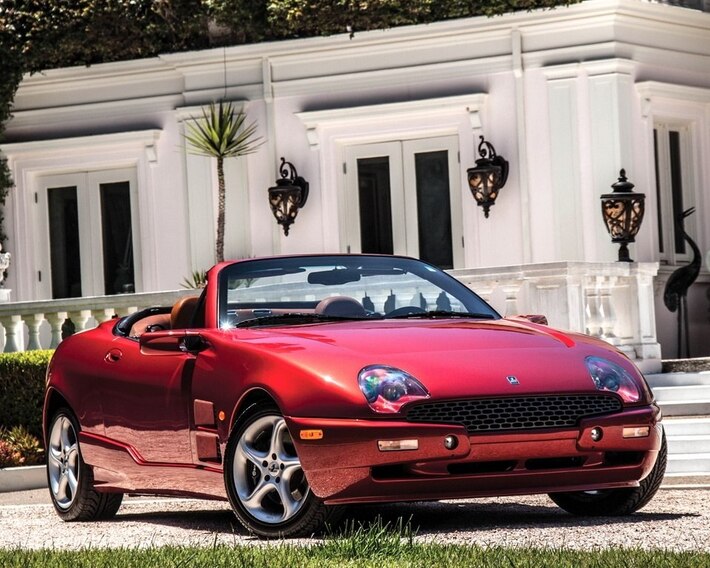
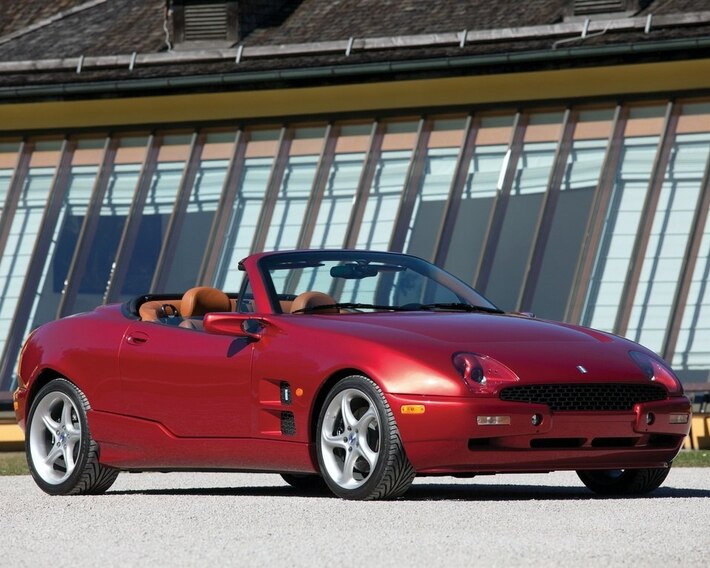
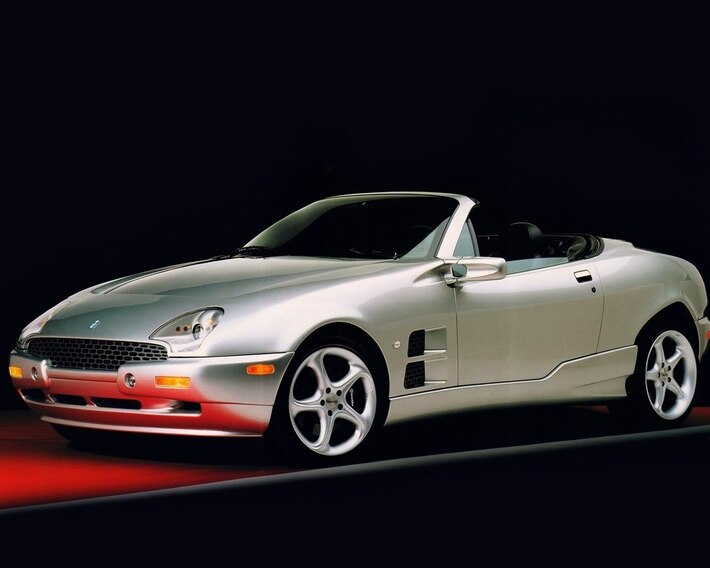
Qvale vehicles — a visual selection of the iconic models produced by this manufacturer.
BakuWheels uses cookies to improve your experience, analyse site traffic, and personalise content. By clicking Accept All, you consent to our use of cookies. Learn more in our Cookie Policy.