
Wuling
Wuling is one of China's most beloved automotive brands, known for producing practical, affordable, and increasingly electrified vehicles that connect rural communities and urban commuters alike. The Wuling Hongguang Mini EV — at just over $4,000 — briefly became the world's best-selling electric vehicle, proving that affordable mobility can drive the global EV revolution.
Origins & Heritage
Wuling's story begins in 1958 in Liuzhou, Guangxi — a manufacturing city in China's southern interior — where a small state-owned enterprise began producing agricultural machinery and eventually light commercial vehicles. Over decades, Wuling became synonymous with the hardworking backbone of China's economy: the iconic Wuling minivan became the transport choice of small businesses, market traders, and rural families across the country. No vehicle better represents the engine of China's economic miracle than the humble Wuling van.
In 2002, the formation of SAIC-GM-Wuling — a three-way joint venture between SAIC Motor, General Motors, and Wuling Motors — transformed the brand's fortunes. GM's global engineering knowledge and SAIC's manufacturing scale combined with Wuling's deep understanding of Chinese consumer needs to create one of the world's most profitable automotive joint ventures by volume. The Wuling Sunshine and subsequent minivan generations sold in extraordinary numbers, with annual volumes frequently exceeding one million units.
The brand's transformation into an EV pioneer came unexpectedly but decisively. The 2020 launch of the Hongguang Mini EV — a tiny, two-door, four-seat electric car priced from approximately 28,800 yuan — upended every assumption about the EV market. Within months it dethroned Tesla's Model 3 as China's best-selling electric vehicle, and in late 2021 surpassed the Model Y to briefly claim the title of the world's best-selling electric vehicle. Wuling had proven that democratising EVs mattered as much as perfecting them.
Key Milestones
Iconic Models in Pictures
From the workhorse minivan to the world-conquering Mini EV, Wuling's lineup spans commercial utility and urban electromobility in uniquely Chinese fashion.
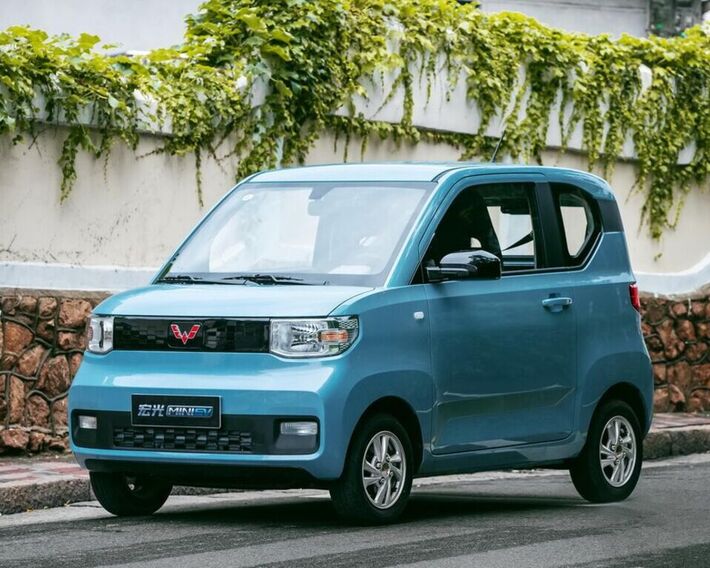
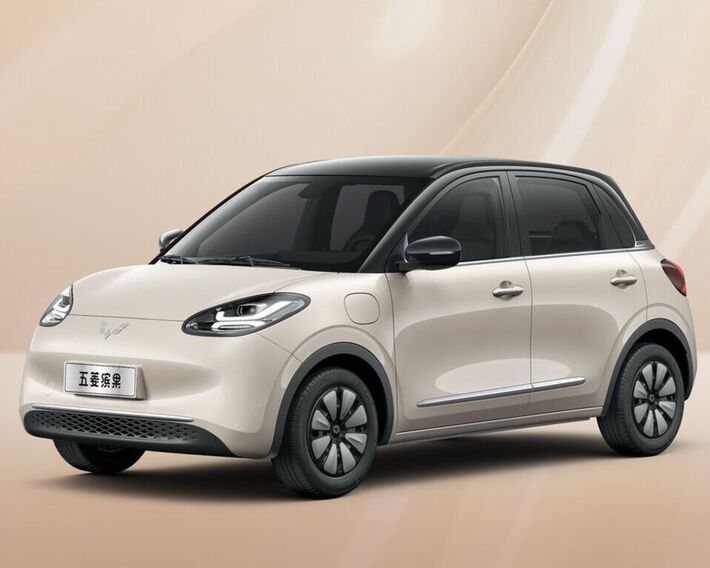
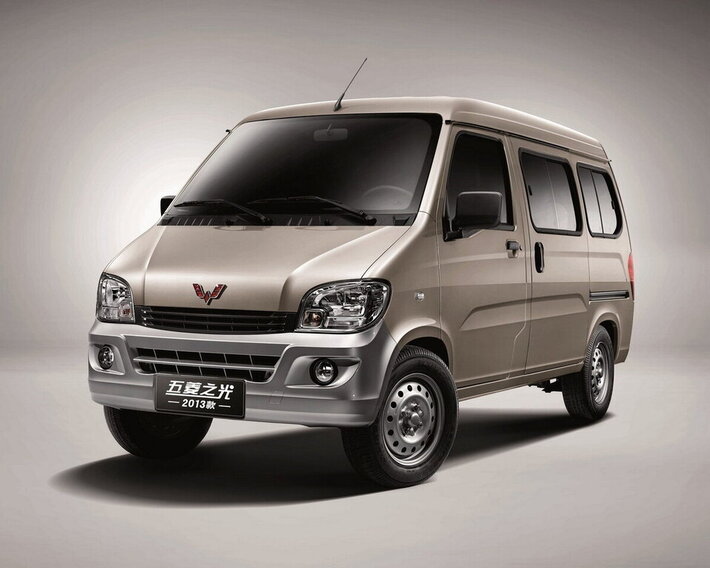
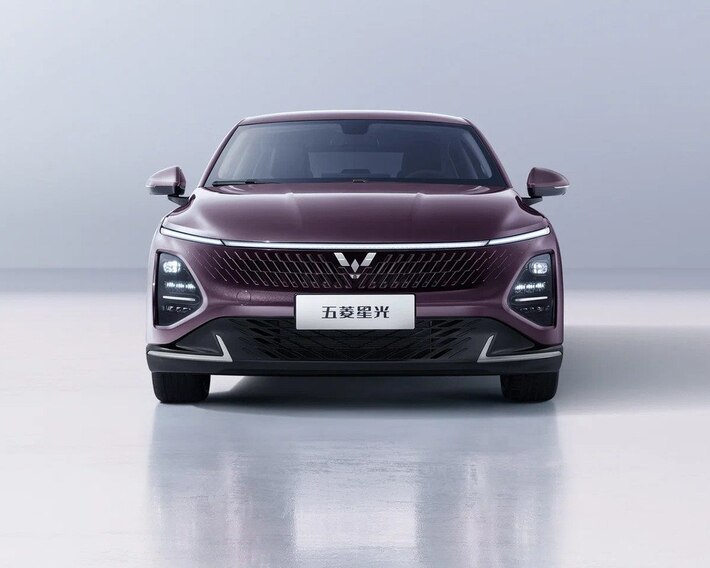
Model Lineup
Wuling's product range spans commercial vans, compact passenger cars, and a growing family of affordable electric vehicles — all engineered for maximum practicality, durability, and accessibility.
Technology & Innovation
Wuling's EV technology focuses on cost optimisation and real-world practicality rather than headline specifications. The brand partnered with CATL for battery supply and leverages GM's global engineering knowledge to deliver safe, reliable, and affordable electric drivetrains at unprecedented price points.
- Affordable lithium iron phosphate (LFP) battery technology — superior thermal stability and long cycle life at low cost
- Lightweight body construction for urban EV efficiency — the Mini EV weighs under 700 kg for exceptional energy economy
- Wuling Life mobile app integration — remote monitoring, charging management, and vehicle control via smartphone
- AC slow-charging focus with overnight home charging designed for typical urban commute use patterns
- Compact dimensions engineered for China's dense urban environments — easy parking and low operating costs
Wuling in Azerbaijan & the Caucasus
Wuling vehicles — particularly the commercial van range — are increasingly visible across Central Asia and the South Caucasus as Chinese automotive exports expand. The brand's combination of low purchase price, minimal operating costs, and remarkable durability makes it especially attractive for small business operators and entrepreneurs across the region.
As Azerbaijan's EV charging infrastructure grows and the government continues incentivising electric vehicle adoption, compact affordable EVs like the Wuling Bingo represent a compelling entry point. The brand's proven track record in making EV ownership accessible aligns well with Azerbaijan's stated ambition to reduce urban emissions in Baku.
Why Choose Wuling?
- Unbeatable affordability: Wuling offers the lowest entry price into EV ownership of any mainstream brand — proven by over 2 million Mini EV sales.
- Urban practicality: Compact dimensions, tight turning circles, and minimal operating costs make Wuling EVs ideal for city commuting.
- Commercial reliability: Decades of van and light commercial manufacturing have built a reputation for durability in demanding working environments.
- GM joint venture quality: SAIC-GM-Wuling partnership brings General Motors' global engineering and safety standards to every vehicle.
- Growing EV range: From the iconic Mini EV to the modern Bingo and Cloud EV, Wuling's electric portfolio is rapidly expanding upmarket.
BakuWheels uses cookies to improve your experience, analyse site traffic, and personalise content. By clicking Accept All, you consent to our use of cookies. Learn more in our Cookie Policy.