

Young
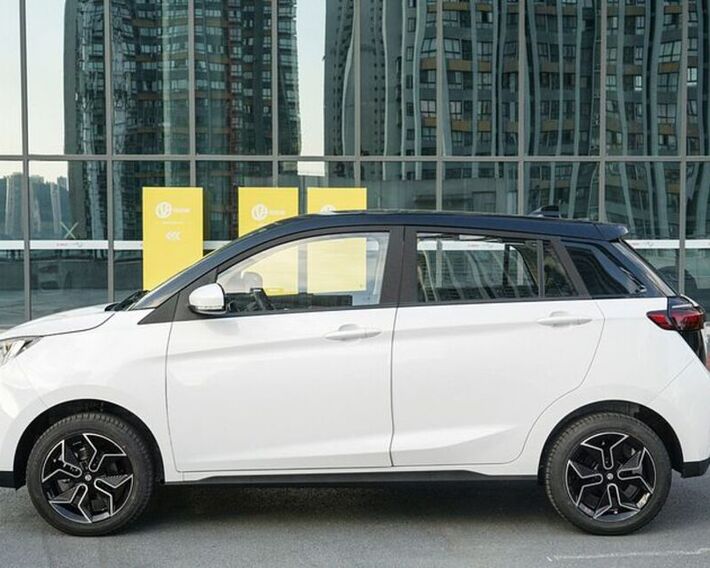
Young is a Chinese electric vehicle brand established in 2021, focused on affordable, compact electric hatchbacks designed for urban mobility. Entering the market at a moment when China's domestic EV segment was experiencing explosive growth, Young targets younger urban consumers seeking accessible electric transportation at entry-level price points — a segment that has seen intense competition from established players like BYD and NETA but which continues to attract new entrants drawn by the scale of Chinese urban mobility demand.
Origins & Heritage
Young was established in 2021 as China's electric vehicle market moved rapidly beyond early adopters into mass-market territory. The company's founding coincided with a period of intense activity across China's EV start-up ecosystem — the same environment that had already produced NIO, XPENG, Leapmotor, and dozens of smaller regional manufacturers, all competing for position in what was becoming the world's largest electric vehicle market.
Young's positioning in the affordable compact segment reflects a deliberate strategy: while premium EV brands compete on technology features and brand prestige, the highest-volume opportunity in China's urban centres lies in accessible, practical, and affordable daily transportation. Urban Chinese consumers — particularly younger buyers in second and third-tier cities — face parking constraints, distance limitations, and purchase budget realities that make a compact, affordable electric hatchback more relevant than a premium SUV.
As a relatively new entrant, Young's vehicle development drew on the deep supply chain that China's EV boom had established — battery cells from established Chinese suppliers, electric motors from specialist manufacturers, and body engineering from firms with established EV platform experience. This approach allowed Young to reach market quickly with competitive products, though it also means that the brand's engineering differentiation from competitors is limited.
Key Milestones
Model Lineup
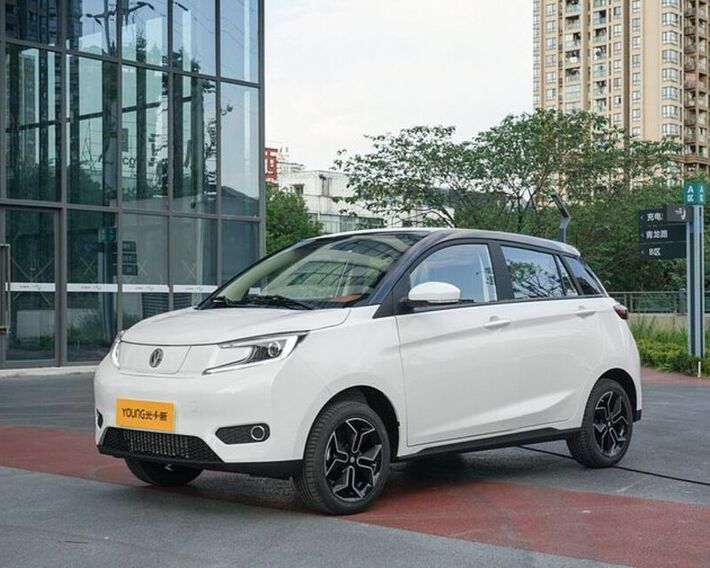
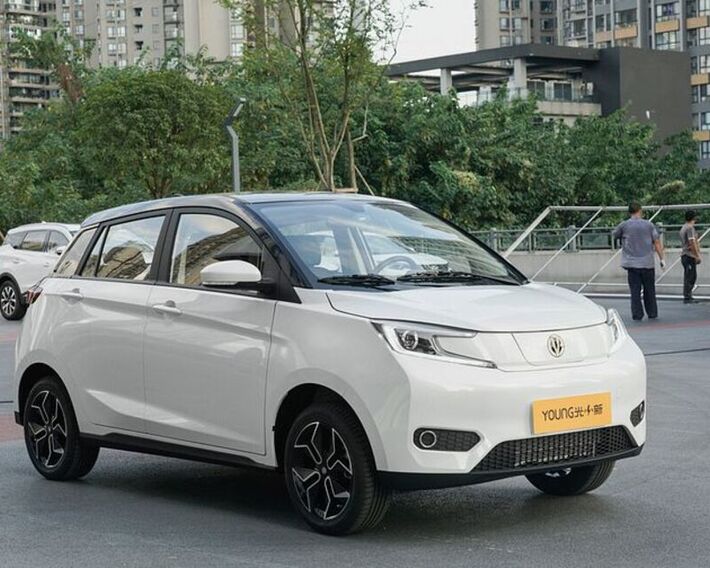
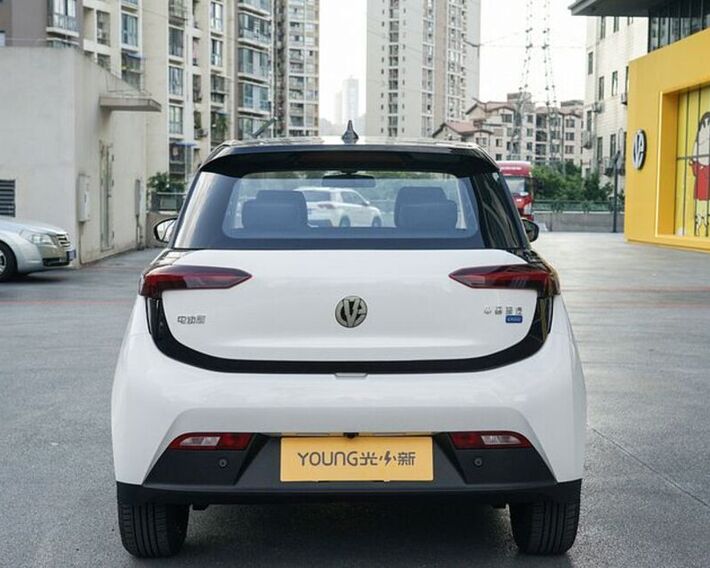
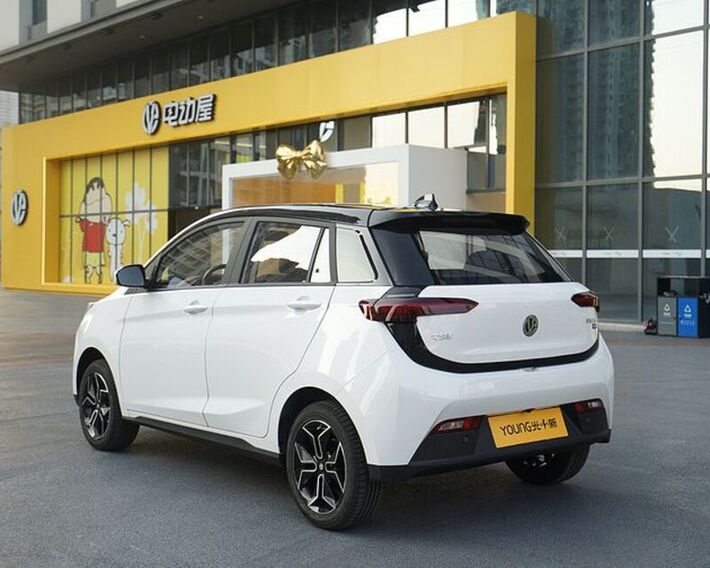
Young's model range centres on compact electric hatchbacks designed for Chinese urban conditions — vehicles where short dimensions, easy parking, and adequate daily range matter more than performance or prestige.
Technology & Engineering
Young's vehicles use technology drawn from China's established EV component ecosystem — a supply chain that has been refined through millions of vehicles produced by BYD, SAIC, Geely, and their numerous joint ventures. This approach provides access to proven, cost-effective components rather than proprietary technology, which supports the competitive pricing that defines Young's market position.
- Lithium iron phosphate (LFP) battery chemistry — LFP cells provide reliable cycle life, thermal stability, and lower cost than NMC alternatives, well-suited to the urban driving patterns that dominate Young's target use case
- Single-motor front-wheel drive — a straightforward electric drivetrain that maximises energy efficiency for urban driving, where the acceleration and handling demands of all-wheel drive are rarely relevant
- Regenerative braking — recuperating kinetic energy during deceleration, extending effective urban range beyond the pure battery capacity figure, particularly effective in stop-start urban driving patterns
- OTA software updates — Young vehicles support over-the-air software updates, allowing improvements to range estimation, charging management, and driver assistance features without dealership visits
- Compact dimensions for urban parking — Young's hatchback proportions are designed specifically for the narrow streets and limited parking spaces of Chinese urban centres, a practical advantage over larger EV alternatives
Young in Azerbaijan
Young vehicles are not officially distributed in Azerbaijan and are unlikely to be directly imported by private buyers given the brand's current stage of international development. China's domestic EV market continues to absorb the output of most new entrants, with international expansion typically following domestic market establishment.
For Azerbaijani buyers interested in affordable Chinese EVs, the broader category that Young represents — compact, practical, urban-optimised electric hatchbacks — is worth monitoring as Chinese EV brands expand their international presence. Brands such as BYD, NETA, and Leapmotor already have or are developing Azerbaijani distribution networks, offering comparable vehicle types with stronger local after-sales support.
Why Young?
- Accessible entry into electric mobility: Young's price positioning in China's most competitive segment means that electric vehicle ownership is within reach for first-time buyers who might be priced out of more established EV brands.
- Urban practicality: Compact dimensions, easy parking, and adequate daily range make Young hatchbacks well-suited to the urban commuting patterns that define most daily vehicle use — a practical fit for city-centre living.
- Chinese EV supply chain quality: Drawing on the same component suppliers serving BYD, SAIC, and Geely, Young vehicles benefit from proven battery and electric drivetrain technology rather than unproven proprietary systems.
- Rapid product development: Young's position in China's competitive EV start-up environment forces rapid improvement — annual model updates, feature additions, and range improvements that keep the product competitive against well-funded rivals.
- Representative of China's EV future: Young is part of the ecosystem of brands that is reshaping global automotive norms — a market participant whose competitive dynamics are producing the affordable electric vehicles that will define personal transportation in coming decades.
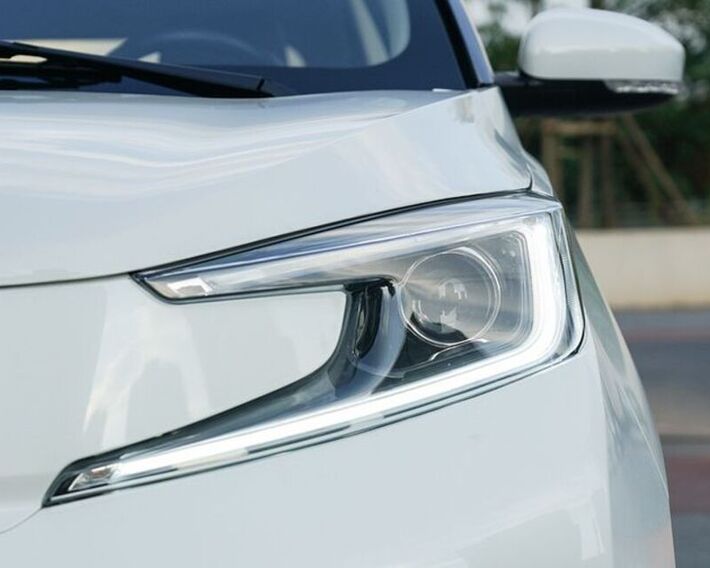
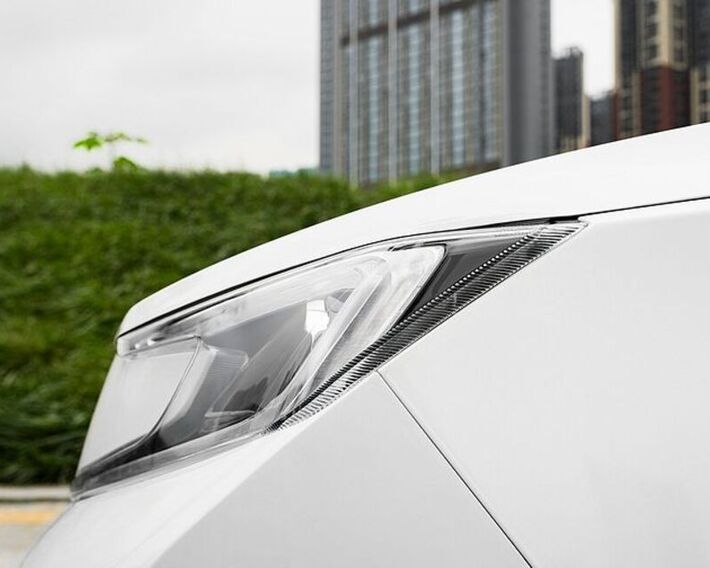
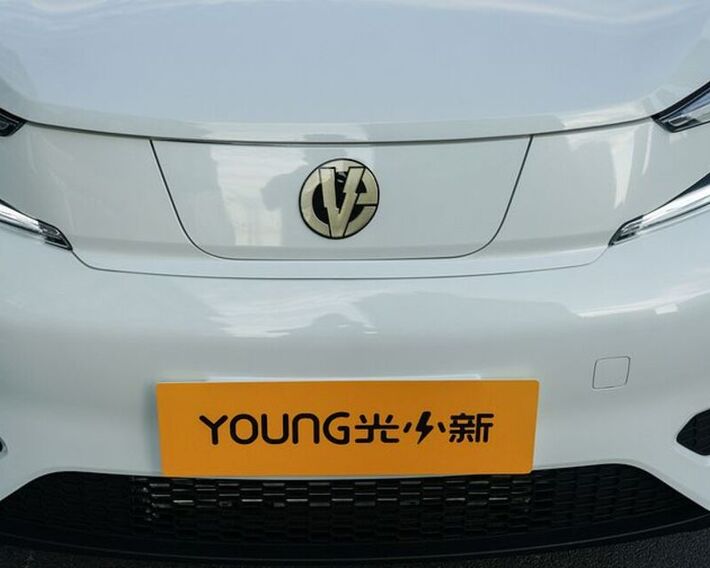
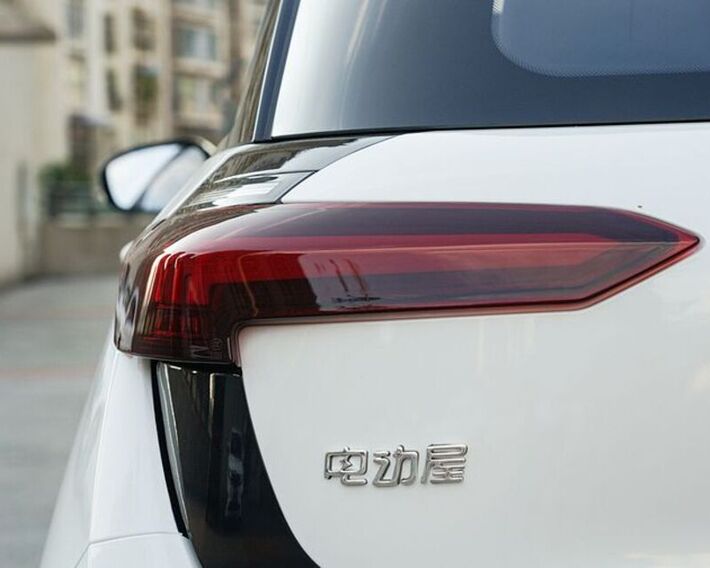
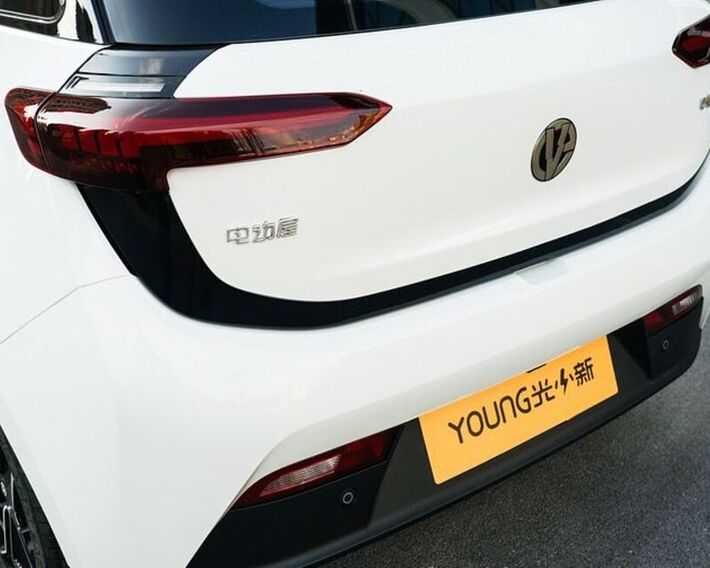
Young in Pictures
Browse images of the Young lineup available in Azerbaijan.
BakuWheels uses cookies to improve your experience, analyse site traffic, and personalise content. By clicking Accept All, you consent to our use of cookies. Learn more in our Cookie Policy.