

Zibar
Zibar is an Iranian manufacturer specialising in off-road SUVs and light utility vehicles, founded in 2006. Operating in a market largely cut off from international brands, Zibar developed domestically engineered four-wheel-drive platforms suited to the demanding terrain of the Iranian plateau, mountain regions, and rural infrastructure. The brand is representative of Iran's broader strategy to build self-sufficient automotive capacity across vehicle segments, from economy hatchbacks to rugged all-terrain platforms.
Origins & Heritage
Zibar was established in 2006 as part of Iran's ongoing effort to develop domestic vehicle manufacturing capacity across segments not adequately served by its established manufacturers — Iran Khodro and SAIPA — whose primary focus was economy cars and family sedans. Iran's geography, with its extensive mountain ranges, arid highland plateau, and significant areas of poor rural road infrastructure, created genuine demand for capable four-wheel-drive vehicles that international sanctions made difficult to source.
The company developed its initial platform drawing on mechanical concepts from established off-road vehicles, adapting them for local production using Iranian-sourced components and manufacturing processes. The result was a series of functional, practical SUVs aimed primarily at commercial buyers — government agencies, farmers, and operators in sectors requiring genuine off-road capability at an accessible domestic price point.
Zibar's operations have remained relatively modest in scale, reflecting both the limited domestic market for specialist off-road vehicles and the challenges of competing internationally while Iran's automotive exports remain constrained by sanctions and restricted trade relationships. The brand's vehicles have found some export presence in neighbouring CIS markets, where their familiarity with challenging terrain and simple mechanical architecture offer advantages.
Key Milestones
Model Lineup
Zibar's model range is built around practical off-road utility — functional platforms designed for demanding terrain, simple to maintain in the field, and suited to the commercial and government buyers that form the core of the brand's customer base.
Engineering & Capability
Zibar vehicles are engineered around the practical requirements of their operating environment: reliable four-wheel-drive performance in difficult terrain, mechanical simplicity that permits field maintenance, and durability suited to Iran's demanding climate extremes — from the cold winters of the Alborz range to the arid heat of the central plateau.
- Part-time four-wheel-drive system — Zibar SUVs use a transfer case with selectable two- and four-wheel-drive modes, providing efficiency on paved roads and traction when terrain demands
- Solid rear axle construction — contributing to durability and load-carrying capacity in demanding commercial applications where independent suspension systems are more vulnerable to damage
- High-clearance body geometry — substantial ground clearance allows navigation of rutted tracks, dried riverbeds, and unpaved mountain roads that characterise much of Iran's rural road infrastructure
- Domestic powertrain sourcing — engines and transmissions sourced from Iranian domestic manufacturers, ensuring availability of replacement parts and service expertise throughout the country
- Simplified electrical architecture — Zibar's focus on mechanical reliability over electronic complexity ensures that field repairs are achievable without specialist diagnostic equipment
Zibar in Azerbaijan
Zibar vehicles have reached Azerbaijan through informal commercial import channels, particularly in regions bordering Iran where cross-border trade in commercial vehicles has a long history. Their four-wheel-drive capability and simple mechanical architecture make them potentially useful in Azerbaijan's rural highland areas — particularly in the Nakhchivan exclave and parts of the Caucasus foothills where road conditions favour capable, simple vehicles over more refined alternatives.
For Azerbaijani buyers considering Zibar vehicles, the principal considerations are parts availability and service expertise — categories where Zibar's limited official presence in Azerbaijan means owners must rely on either cross-border parts sourcing or the adaptability of local mechanics familiar with similar mechanical architectures. Those who navigate this successfully gain access to a capable off-road vehicle at a lower acquisition cost than comparable international alternatives.
Why Zibar?
- Genuine four-wheel-drive capability at accessible cost: Zibar SUVs provide proven all-terrain performance in a package priced well below comparable international off-road vehicles, making serious capability accessible to commercial buyers with constrained budgets.
- Simple mechanical architecture: Zibar's engineering philosophy prioritises mechanical reliability over electronic sophistication — an advantage in markets where specialist diagnostics and proprietary software are unavailable.
- Terrain suitability for the Caspian region: Designed for Iranian highland and plateau conditions that are directly comparable to Azerbaijan's own varied terrain, Zibar vehicles offer practical capability well-matched to the operating environment.
- Low operating costs: The combination of simple mechanicals, domestic parts sourcing philosophy, and robust construction targets low total ownership cost — particularly relevant for commercial operators where vehicle downtime has direct economic consequences.
- Regional availability: Zibar vehicles' presence in CIS export markets means that parts and knowledge networks exist in the broader region, reducing the isolation that can affect other Iranian-market vehicles attempting to operate outside their home country.
Zibar in Pictures
Browse images of the Zibar lineup available in Azerbaijan.
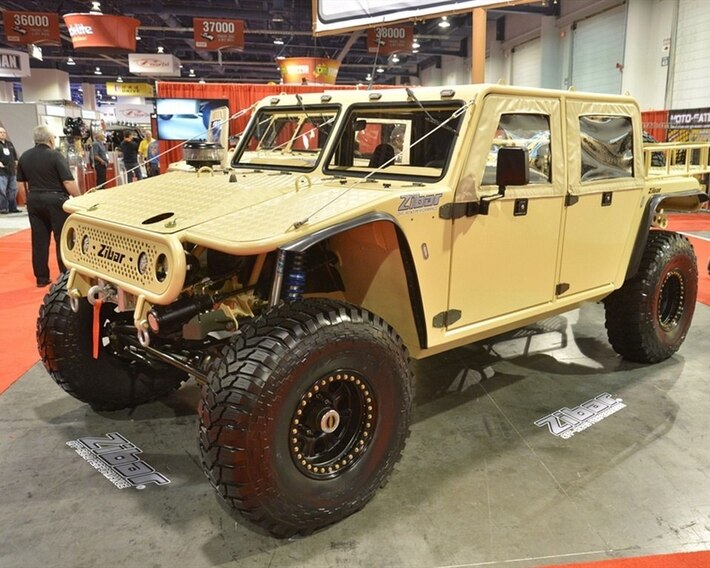
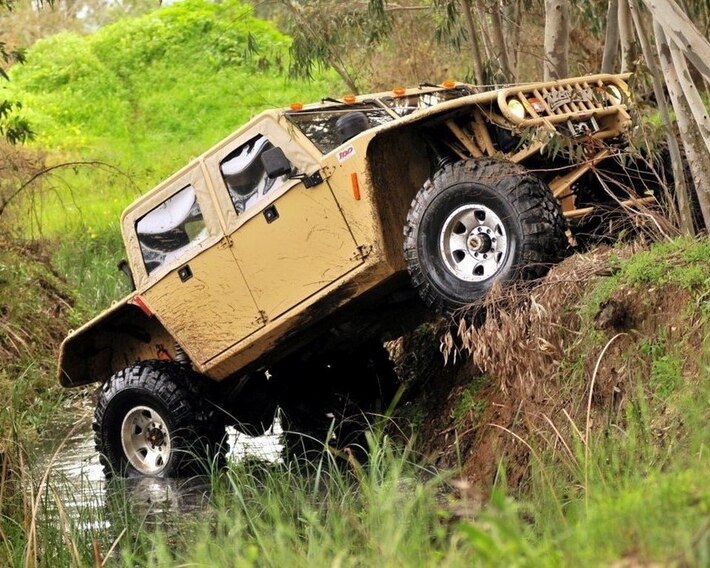
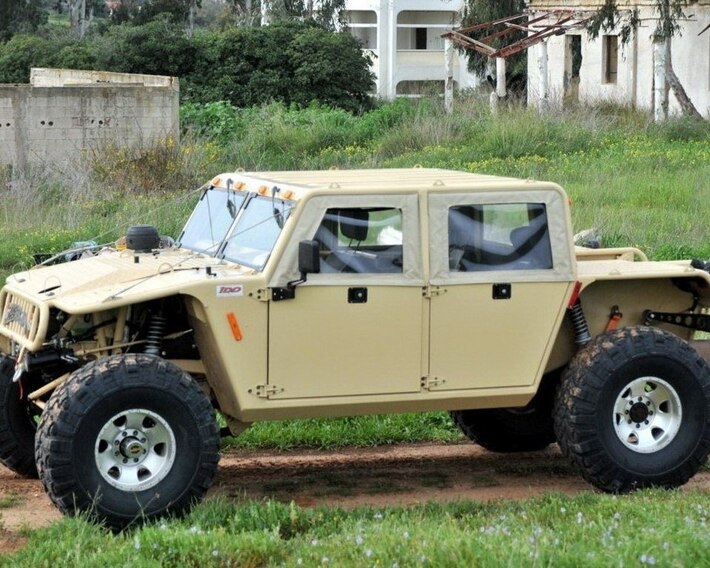
BakuWheels uses cookies to improve your experience, analyse site traffic, and personalise content. By clicking Accept All, you consent to our use of cookies. Learn more in our Cookie Policy.