
Iran Khodro
Iran Khodro is Iran's largest and oldest automobile manufacturer — a state-owned industrial giant founded in 1962 that has produced over 18 million vehicles including the legendary Paykan, based on the Hillman Hunter, which defined Iranian automotive culture for half a century. Today Iran Khodro continues producing modern domestically designed vehicles for one of the Middle East's largest car markets.
Origins & Heritage
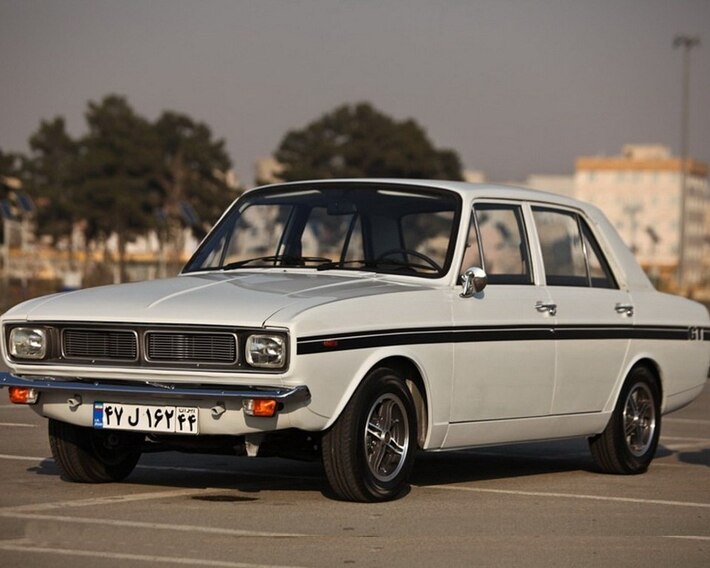
Iran Khodro (IKCO) — originally known as Iran National — was founded in 1962 in Tehran as Iran's first vehicle assembly operation, initially producing the Paykan (Arrow), an Iranian variant of the British Hillman Hunter under licence from the Rootes Group. The Paykan became arguably the most important automobile in Iranian history — produced from 1967 to 2005, it was Iran's universal car: taxi, family vehicle, and the defining image of Iranian street life for two generations.
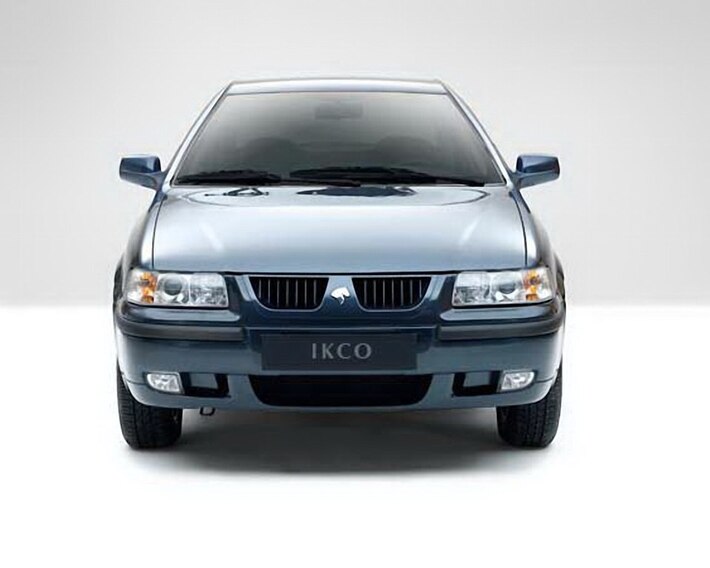
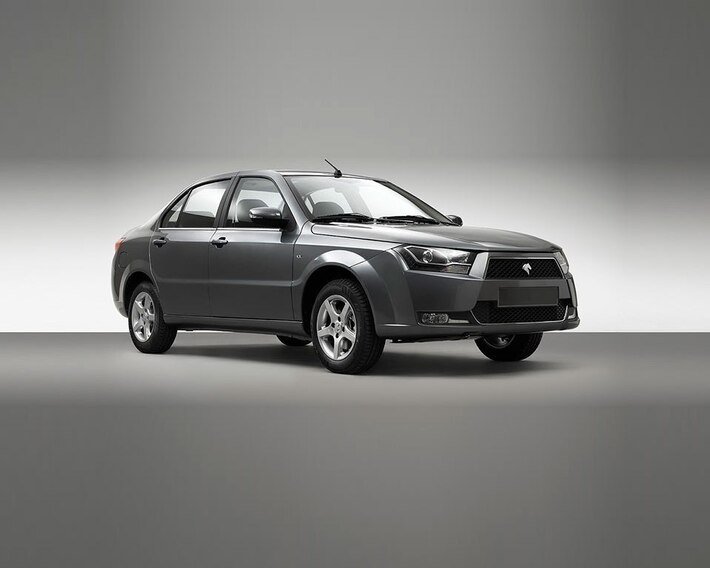
Following the 1979 Islamic Revolution, Iran Khodro adapted to operating under international sanctions and without foreign technology partnerships — circumstances that forced the development of significant domestic engineering capability. The company produced increasingly sophisticated locally designed vehicles including the Samand platform (2002), Iran's first entirely domestically engineered modern passenger car, which spawned the Dena, Runna, and Soren derivatives.
Iran Khodro has maintained international partnerships where possible — agreements with PSA Peugeot Citroën produced the 206 and 207 under licence for many years, and the company has explored partnerships with Chinese manufacturers as Western companies have withdrawn under sanctions pressure. Despite the constraints, Iran Khodro remains the dominant force in Iran's substantial automotive market, with annual production capacity of 650,000+ vehicles.
Key Milestones
Iconic Models in Pictures
From the legendary Paykan that defined Iranian streets for decades to the modern Tara and Dena, Iran Khodro's vehicles tell the story of Iranian automotive history — resilience, adaptation, and national industrial pride.
Model Lineup
Iran Khodro's current range features domestically engineered sedans and hatchbacks designed for Iran's market conditions — durable, practical, and built for local fuel quality and maintenance infrastructure.
Innovation & Technology
Iran Khodro's engineering capability has been shaped by decades of operating under sanctions — developing solutions for components and systems that could not be sourced from international suppliers. This constraint has built genuine domestic engineering resourcefulness.
Recent product development has incorporated Chinese technology partnerships, bringing more modern features including touchscreen infotainment, digital instrument clusters, and improved safety systems to the current model range.
- Samand-derived IKCO platform — entirely domestic engineering providing supply chain independence from international parts suppliers
- EF7 engine family — Iran Khodro-developed engines designed for local fuel quality and extreme temperature operation
- CNG bi-fuel capability — compressed natural gas option on multiple models leverages Iran's extensive CNG infrastructure to reduce running costs
- Tara crossover platform — newer architecture with Chinese technology input providing modern infotainment and improved passive safety
- Domestic air conditioning systems — developed specifically for Iran's extreme summer temperatures and dusty operating conditions
Iran Khodro in Azerbaijan
Iran Khodro vehicles have historically found buyers in Azerbaijan due to geographical proximity, cultural familiarity, and the very accessible pricing that makes the Dena and Samand attractive entry-level options. Azerbaijan's position as a neighbour of Iran means that spare parts and technical knowledge are more readily available than for many other brands.
The Paykan's legendary status in Persian-speaking culture also resonates with Azerbaijani buyers who have cultural connections to Iran. While Iran Khodro faces significant challenges in competing with modern Korean and Chinese alternatives, the brand retains loyal buyers who value simplicity, low running costs, and the ease of maintenance that comes with a well-understood mechanical platform.
Why Choose Iran Khodro?
- Exceptional affordability: Iran Khodro vehicles offer the lowest purchase prices in the market — making car ownership accessible to buyers for whom Korean or Chinese alternatives remain out of reach.
- Simple, maintainable engineering: Straightforward mechanical systems that any competent workshop can service without specialist diagnostic equipment — ideal for markets with limited dealer infrastructure.
- CNG bi-fuel option: Compressed natural gas capability significantly reduces fuel costs for high-mileage drivers where CNG infrastructure is available.
- Parts availability: Geographic proximity to Iran means spare parts for Iran Khodro vehicles are readily available in Azerbaijan at competitive prices, supporting low maintenance costs.
- Cultural familiarity: Decades of Iran Khodro presence in the South Caucasus region means local mechanics have extensive experience with the brand's vehicles, reducing service complexity.
BakuWheels uses cookies to improve your experience, analyse site traffic, and personalise content. By clicking Accept All, you consent to our use of cookies. Learn more in our Cookie Policy.