Nissan
Nissan built the world's first mass-market electric vehicle — the Leaf — in 2010, and simultaneously maintained the GT-R supercar as one of the fastest production cars on the Nürburgring. No other mainstream brand has so boldly occupied both extremes of the automotive spectrum at the same time.
Origins & Heritage
Nissan Motor Co., Ltd. was founded on 26 December 1933 in Yokohama, Japan — though its corporate heritage stretches back to 1911 through the Kwaishinsha Motor Car Works. The Nissan name comes from the company's major shareholder, Nihon Sangyo (Japan Industries) — 'Ni' for Nihon and 'San' for Sangyo — a portmanteau that would come to represent one of Japan's most internationally recognisable industrial brands.
From the 1950s onward, Nissan positioned itself as a technological challenger within Japan's competitive domestic automotive market — often pursuing engineering innovations that established rivals like Toyota were more cautious about. The Datsun 240Z of 1969 created the Japanese sports car category almost singlehandedly: a genuine European-challenging GT car at a price that made sports car ownership accessible to a generation of American buyers who had previously been priced out of European alternatives.
Nissan's boldest technological bet came in December 2010, when the Leaf became the world's first mass-market battery electric vehicle — predating Tesla's Model S by two years and launching into a market where there was essentially no charging infrastructure. The decision to launch the Leaf at scale was an act of genuine corporate courage that changed the industry's trajectory and established Nissan as a genuine EV pioneer.
Key Milestones
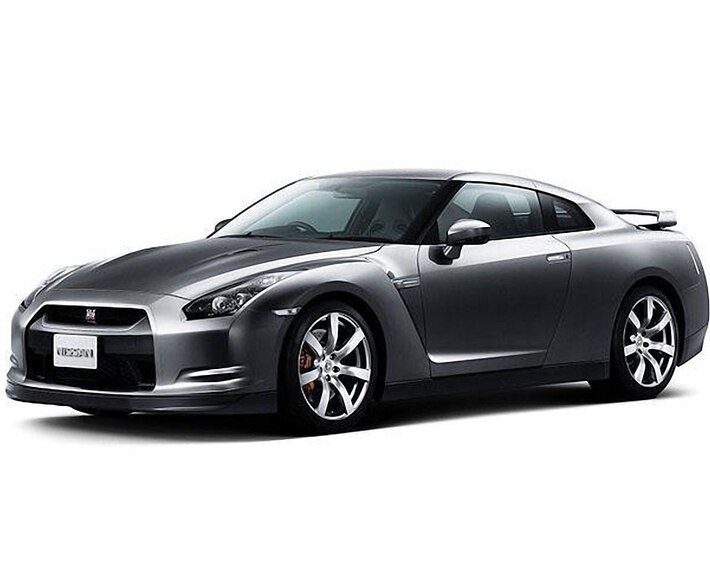
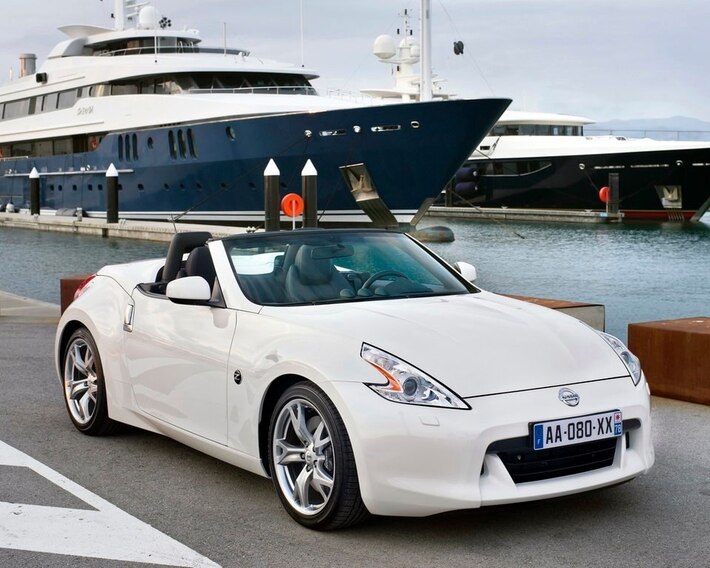
Iconic Models in Pictures
The legendary GT-R, the category-defining Leaf EV, and the iconic Skyline heritage make Nissan one of Japan's most storied and innovative automotive brands.
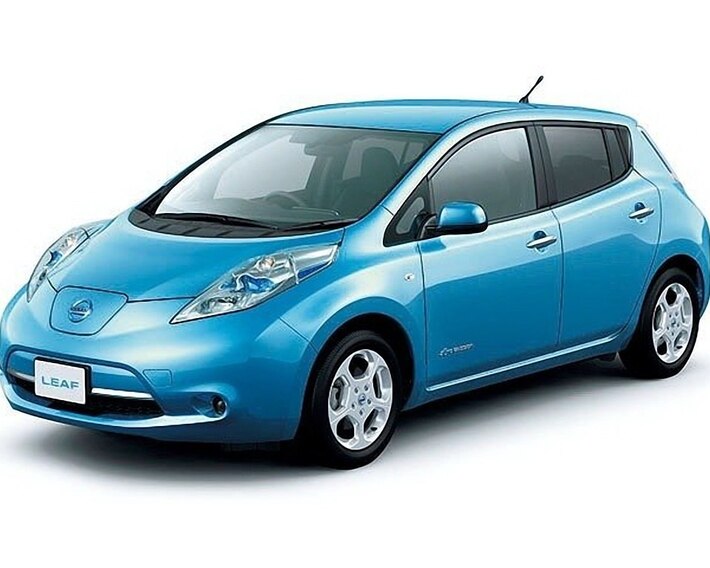
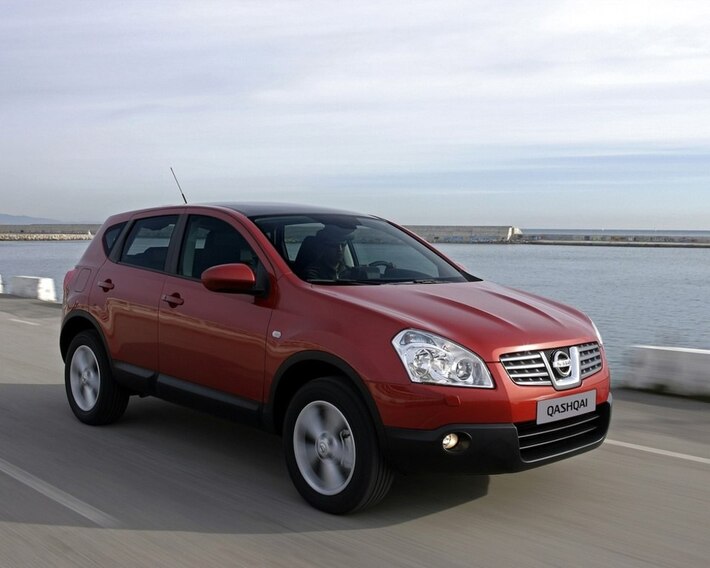
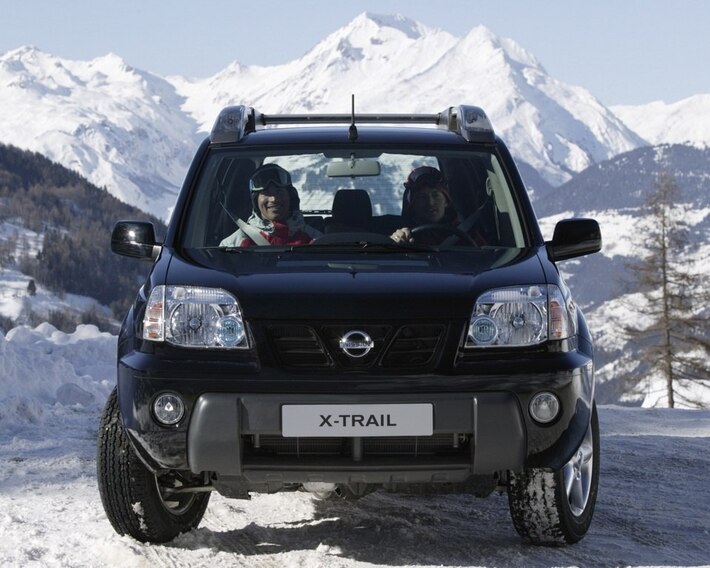
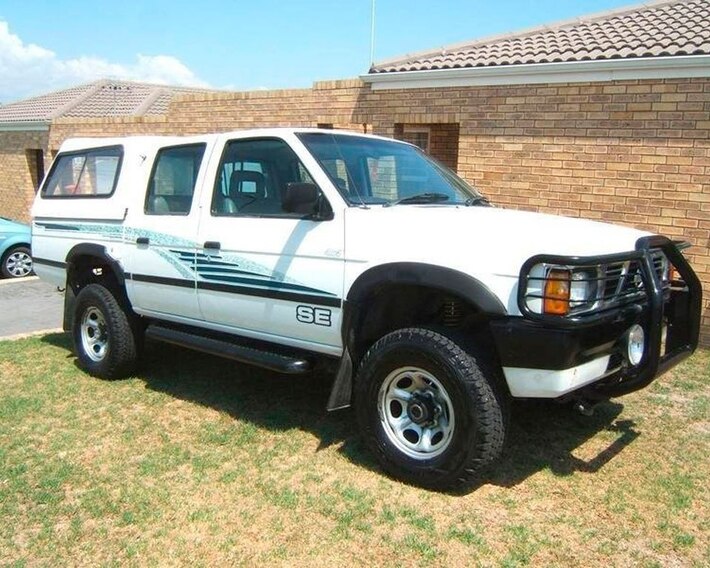
Iconic Model Lineup
Nissan's catalogue spans from the GT-R supercar to mass-market EVs, wide-ranging family SUVs, and commercial pickups — showcasing a range from high technology to affordably practical.
e-POWER & EV Technology
Nissan's e-POWER system represents a unique hybrid approach — unlike conventional parallel hybrids where the petrol engine can drive the wheels directly, e-POWER uses the petrol engine exclusively as a generator to power an electric motor that drives the wheels. This means the driving experience is always 100% electric — linear torque delivery, one-pedal driving capability, and the silence of EV operation — while the range anxiety concern is eliminated by the onboard petrol generator.
- e-POWER series hybrid — 100% electrically driven with petrol generator; EV feel without range anxiety
- e-4ORCE dual-motor AWD — independent torque vectoring on Ariya with 0.001-second response
- ProPILOT 2.0 — hands-off capable highway autonomous driving assistant on Ariya
- e-Pedal one-pedal driving — regenerative braking on Leaf and Ariya brings the car to a complete stop
- GT-R ATTESA ET-S — sports AWD that distributes up to 100% torque rearward for sports car dynamics
Nissan in Azerbaijan
Nissan has a long and well-established presence in Azerbaijan. The X-Trail and Qashqai are among the most popular SUVs in the country — combining practical family SUV attributes with Nissan's proven Japanese reliability and competitive pricing. The Patrol (Y61 and Y62) holds a special place in Azerbaijani off-road culture, appreciated for its body-on-frame construction, powerful V8 engine, and capability in mountainous terrain.
The Nissan Leaf's growth in Azerbaijan reflects the country's increasing interest in electric vehicle adoption, supported by a growing charging network and government incentives. Nissan's established dealer and service network across Azerbaijan provides buyers with the ownership confidence that newer EV brands cannot yet match.
Why Choose Nissan?
- EV pioneer: Nissan launched the world's first mass-market electric car in 2010 — Leaf experience and technology maturity is unmatched in affordable EVs.
- GT-R performance heritage: 'Godzilla' GT-R technology filters into Nissan's AWD and performance tuning — genuine motorsport DNA in production models.
- Qashqai legacy: Nissan invented the compact crossover segment in 2006 — the most commercially validated SUV concept in automotive history.
- e-POWER innovation: A unique hybrid system that delivers pure EV driving feel without the range limitation of a battery-only car.
- Proven reliability: Decades of Japanese quality engineering deliver vehicles that consistently score highly in long-term reliability surveys.
- Renault-Nissan Alliance: Alliance membership provides technology sharing, platform efficiency, and long-term model investment confidence.
BakuWheels uses cookies to improve your experience, analyse site traffic, and personalise content. By clicking Accept All, you consent to our use of cookies. Learn more in our Cookie Policy.