

Toyota
From the rice paddies of Koromo to the world's most trusted driveway — Toyota has spent nearly nine decades redefining what it means to build a car that people genuinely rely on.
Origins & Heritage
Toyota Motor Corporation traces its roots to Sakichi Toyoda, the inventor of the automatic power loom, whose guiding philosophy — the relentless pursuit of improvement — became the bedrock of what is now called the Toyota Production System. In 1933, his son Kiichiro Toyoda established an automotive division within Toyoda Automatic Loom Works. Four years later, Toyota Motor Co., Ltd. was officially incorporated on August 28, 1937, in the city of Koromo, Aichi Prefecture, Japan.
The company's first passenger car, the AA, rolled off the line in 1936, drawing heavy inspiration from Chrysler's aerodynamic designs of the era while incorporating distinctly Japanese craftsmanship. Despite the turbulence of World War II, which forced production toward military trucks, Toyota emerged in the postwar years with renewed ambition, launching export operations to the United States in 1957 with the Land Cruiser and later the Crown sedan.
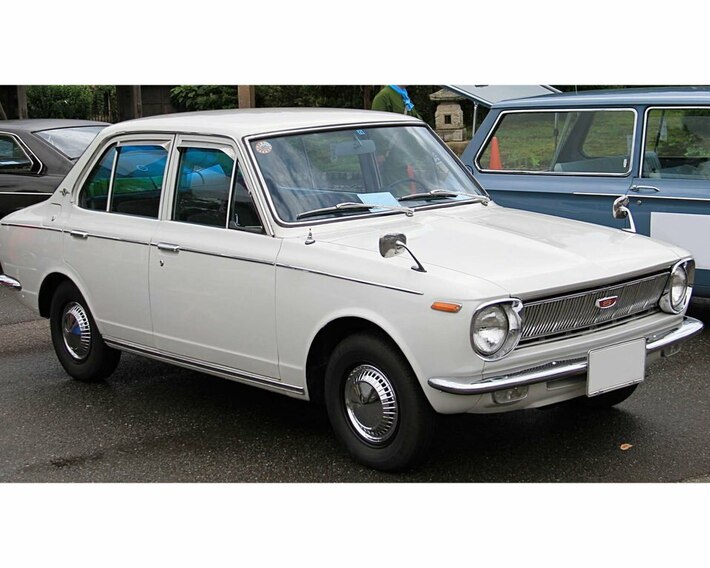
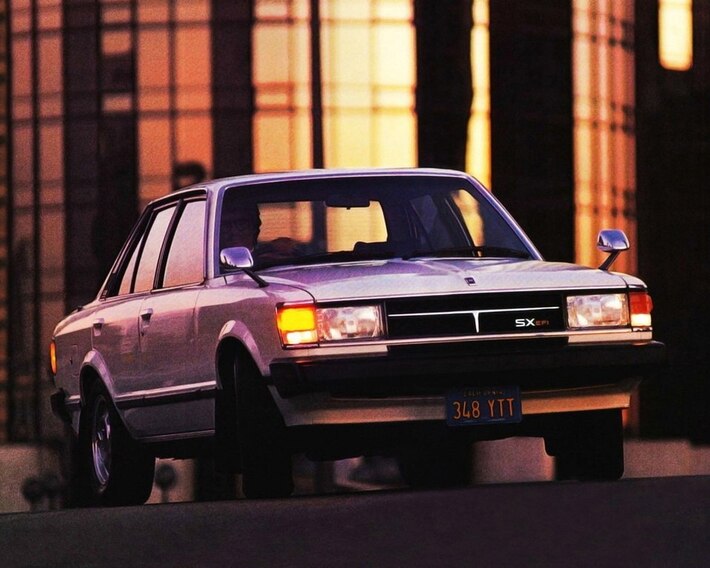
The American debut was initially rocky — the Crown proved underpowered for US highways — but Toyota returned in 1965 with the Corona, a refined compact that resonated with American consumers seeking economical, reliable transportation. This lesson in market listening would define Toyota's philosophy for generations: study the customer, build for endurance, and never stop refining.
Key Milestones
Iconic Model Lineup
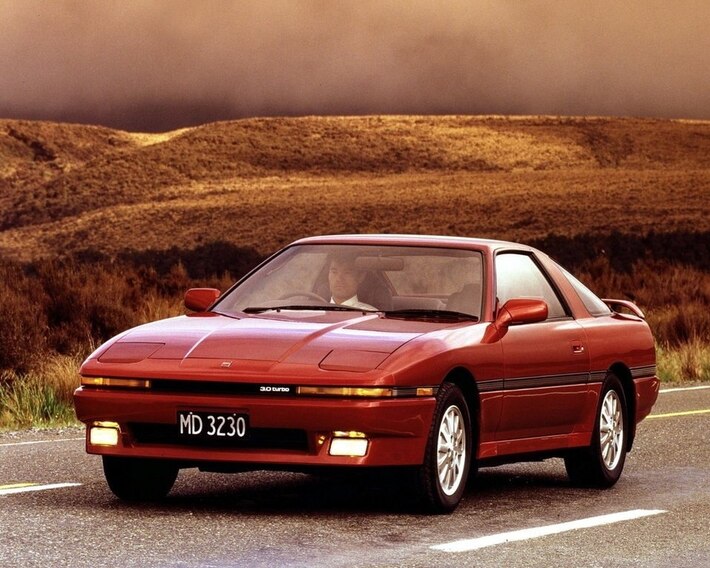
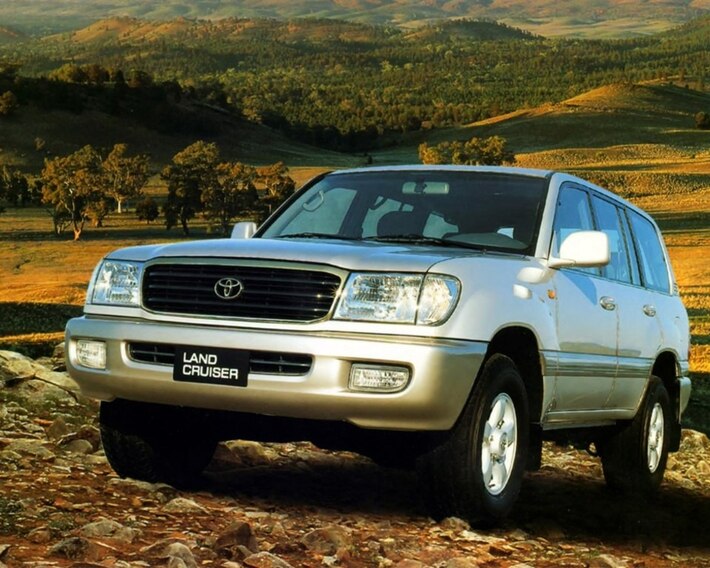
Toyota's catalogue spans everything from the entry-level Yaris hatchback to the Tundra full-size pickup, the legendary Land Cruiser off-roader, and the sports-orientated GR Supra. Each model family embodies a specific dimension of the Toyota promise: durability, practicality, or driving excitement.
Iconic Models in Pictures
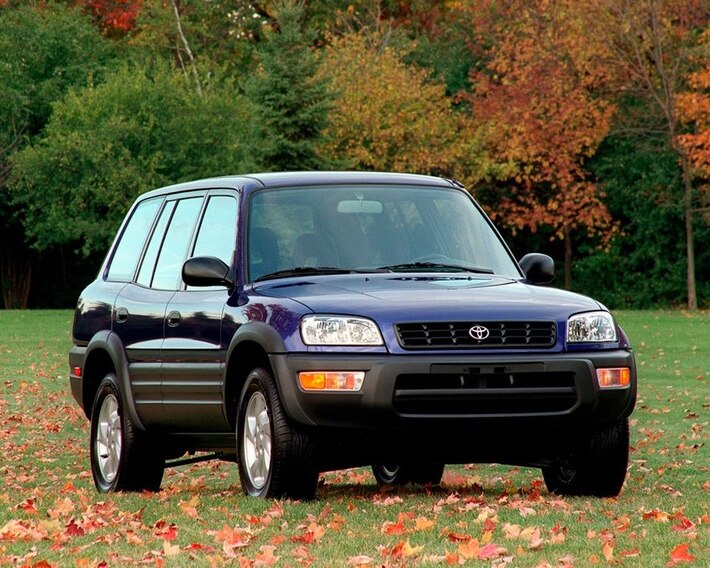
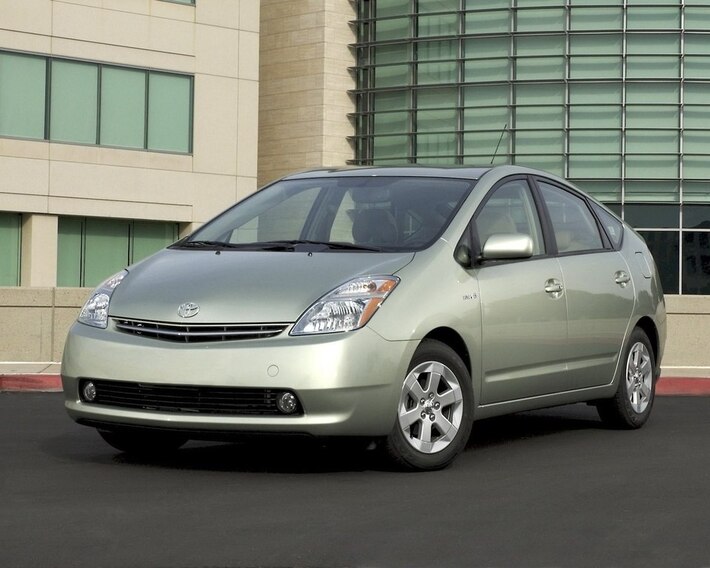
From the humble Corolla to the trail-conquering Land Cruiser and the lightning-fast GR Supra, Toyota's lineup spans the full spectrum of motoring desire.
Innovation & Technology
Toyota's commitment to innovation is inseparable from its environmental vision. The company was the first major automaker to stake its future on hybrid electric technology, launching the Prius in 1997 at a time when gasoline cost a fraction of today's prices and no other mainstream manufacturer saw a business case for electrification.
The Toyota Hybrid System (THS) — a planetary-gear power-split device that seamlessly blends combustion and electric power — remains one of the most mechanically elegant solutions in mass-market engineering. By 2025, Toyota had sold over 20 million electrified vehicles globally, accumulating real-world data that underpins the reliability of its next-generation solid-state battery programme.
Beyond propulsion, Toyota's safety suite, Toyota Safety Sense (TSS), brings pre-collision detection, adaptive cruise control, lane departure alert, and automatic high beam to vehicles across every price bracket. The Toyota Production System (TPS), the genesis of what the world knows as lean manufacturing, continues to be studied and implemented by industries ranging from aerospace to healthcare.
- Toyota Hybrid System (THS-II) — world-class hybrid drivetrain technology proven over 20+ million units
- Toyota Safety Sense 3.0 — proactive safety with intersection support and emergency steering assist
- Hydrogen fuel-cell technology — Mirai leads the push for a hydrogen mobility society
- GR (Gazoo Racing) performance division — motorsport-derived technology applied to road cars
- Connected services — remote monitoring, over-the-air updates, and predictive maintenance alerts
- Solid-state battery R&D — targeting 1,200 km range and 10-minute fast charging by the late 2020s
Toyota in Azerbaijan & the Caucasus
Toyota has established a formidable presence across the Caucasus region, with Baku serving as the commercial hub for sales and after-sales services in Azerbaijan. The Camry, Corolla, and Land Cruiser Prado are perennial bestsellers on Azerbaijani roads, prized for their proven reliability in the country's varied topography — from the Baku coastal urban grid to the challenging mountain roads of the Lesser Caucasus.
The Land Cruiser 300, introduced in 2021, has quickly become the prestige SUV of choice for Azerbaijani government and corporate fleets, reflecting both its capability and the brand's aspirational status in the region. Hybrid models, particularly the RAV4 Hybrid and Corolla Cross Hybrid, are gaining rapid ground as fuel prices and environmental awareness rise simultaneously.
Why Choose Toyota?
- Benchmark reliability: Consistently tops owner satisfaction surveys and independent reliability indices such as J.D. Power and Consumer Reports globally.
- Lowest total cost of ownership: Exceptional resale value, low maintenance frequency, and parts availability in virtually every market worldwide.
- Electrification breadth: Over 30 hybrid models in production, with plug-in hybrid and full-EV options expanding rapidly under the bZ sub-brand.
- Safety leadership: Toyota Safety Sense included as standard across the global lineup — not an optional extra.
- Global service network: 10,000+ dealers and authorised service centres across 170+ countries guarantee accessible parts and expertise.
- Kaizen culture: Every Toyota model benefits from a culture of continuous improvement — minor refinements shipped every model year without waiting for a full redesign.
BakuWheels uses cookies to improve your experience, analyse site traffic, and personalise content. By clicking Accept All, you consent to our use of cookies. Learn more in our Cookie Policy.