Audi
Advancement through technology — Vorsprung durch Technik — is not merely a slogan for Audi; it is an engineering manifesto that has driven the brand from a humble Zwickau workshop to the very forefront of automotive design and quattro all-wheel-drive dominance.
Origins & Heritage
The Audi name carries a piece of Latin wit. August Horch, the visionary engineer who founded the company in 1909 in Zwickau, Saxony, had previously founded another car company bearing his own surname. Following a legal dispute that barred him from using 'Horch' again, he translated his surname — the German word for 'listen' — into Latin: 'Audi'. A literal linguistic rebirth, and a name that has resonated with automotive sophistication ever since.
Audi's four interlocking rings logo represents the 1932 merger of four Saxony-based automakers: Audi, DKW, Horch, and Wanderer, who combined to form Auto Union AG to compete against the dominant Bavarian marques. The Auto Union racing cars of the 1930s — mid-engined, supercharged V16 monsters capable of 340 km/h — were among the most exotic racing machines ever built, establishing a performance heritage that still resonates in Audi Sport's DNA.
The modern Audi was reborn under Volkswagen Group ownership from 1965 onward. Under the transformative leadership of Rudolf Leiding and later Ferdinand Piëch, Audi pivoted toward premium engineering leadership, launching the Audi 80 and then the legendary Audi quattro in 1980 — a turbocharged all-wheel-drive revolution that changed rallying and road cars permanently.
Key Milestones
Audi Model Lineup
Audi's product range is logically structured: odd numbers (A1, A3, A5, A7) denote coupé-roofed 'sportback' body styles; even numbers (A4, A6, A8) represent conventional saloon/estate formats. The Q-series covers SUVs from the compact Q2 to the full-size Q8. The RS (RennSport — motorsport) badge denotes the highest performance tier, engineered by Audi Sport GmbH in Neckarsulm.
All Audi Models
Browse the complete Audi model guide — from classic saloons to the latest electric vehicles, each with full specifications, buying advice, and Azerbaijan-specific ownership guidance.
Iconic Models in Pictures
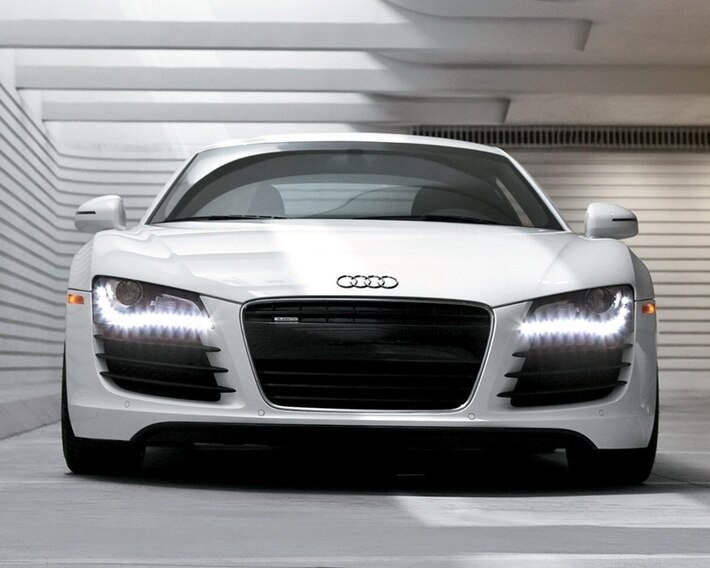
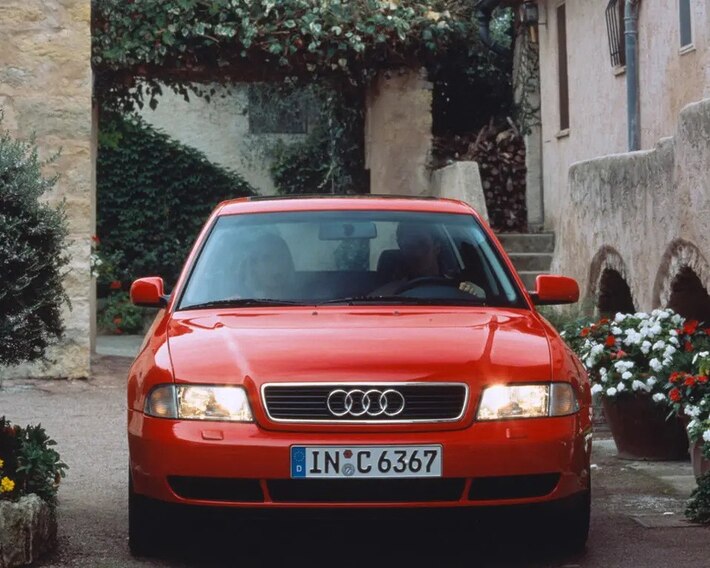
The R8 supercar, the quattro-powered RS models, and the elegant A-series saloons distil a century of racing heritage into everyday automotive excellence.
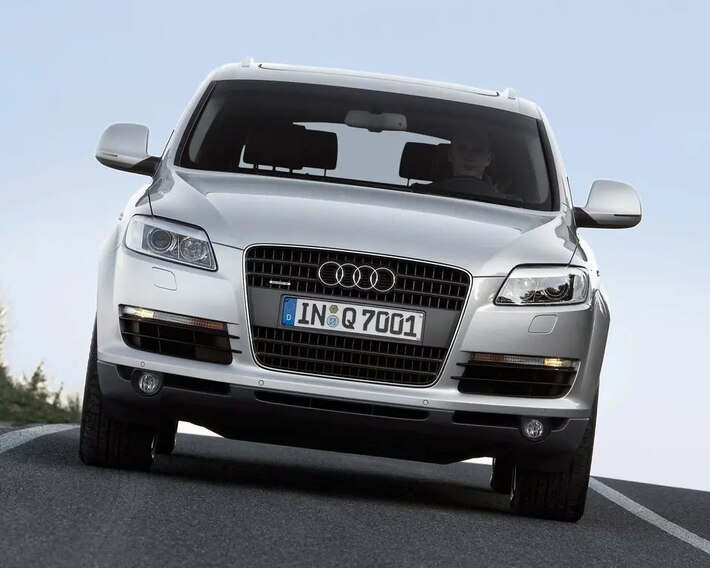
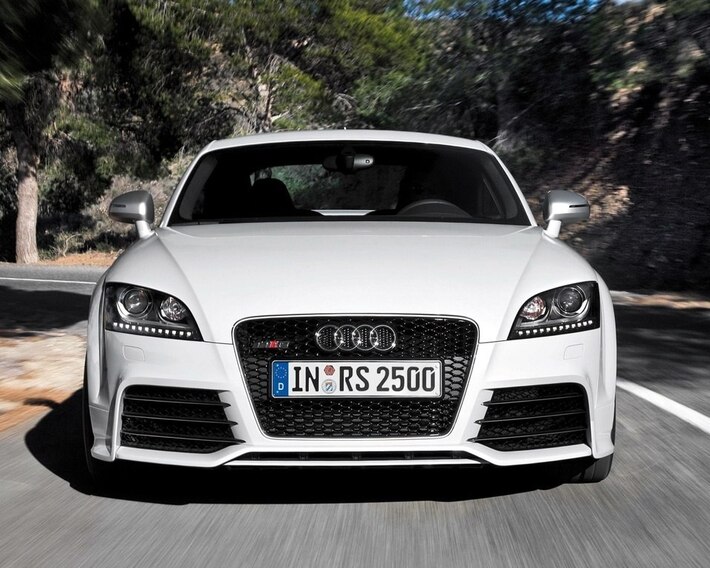
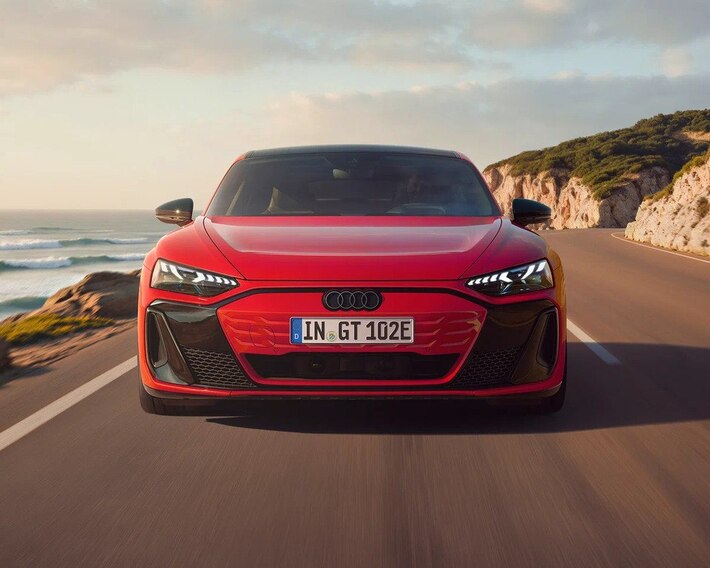
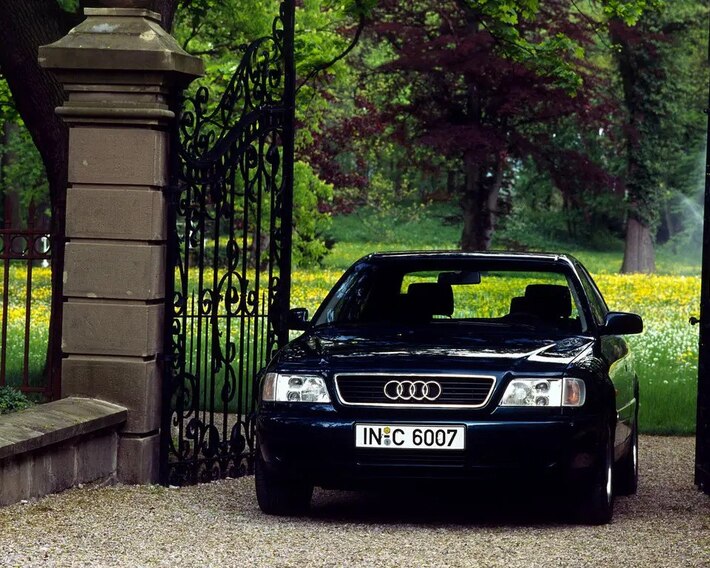
quattro — Redefining All-Wheel Drive
No single technology defines Audi's character more than quattro. Introduced in 1980, the permanent all-wheel-drive system was born from an accidental observation: an Iltis military jeep running on unprepared ice easily outpaced much more powerful rear-wheel-drive test cars. Audi engineer Jörg Bensinger convinced management to develop the system for the road, and the Audi quattro changed everything.
The original quattro used a centre differential with a Torsen (Torque Sensing) limited-slip mechanism, distributing power proactively rather than reactively. When it competed in the 1982 World Rally Championship, it was so dominant that rally organisers eventually had to create Group B restrictions to limit all-wheel-drive cars — only for the quattro to dominate Group B as well. Michele Mouton, driving for Audi, became the first woman to win a WRC round outright.
Today, quattro is offered in multiple forms — the traditional mechanical quattro for longitudinal engine configurations, and quattro ultra (a more efficient disconnecting rear axle system) for front-engine models requiring city fuel economy. The electric e-tron models use dual-motor quattro — separate front and rear motors delivering torque vectoring with sub-millisecond response times impossible to achieve with mechanical driveshafts.
- Permanent quattro AWD — standard on all RS and S-line performance models
- quattro sport differential — active torque distribution between the rear wheels for corner-exit stability
- Electric quattro — dual-motor EV AWD with torque vectoring and 0–100 in under 3.5 seconds
- World Rally Championship: 4 manufacturers' and 2 drivers' titles (1982–1984)
- Pikes Peak dominance — quattro-derived technology holds multiple hillclimb records
Design Language — Precision Aesthetics
Audi's design philosophy is grounded in what the brand calls 'Sportive Elegance' — clean, taut surfaces that derive tension from form rather than decorative detailing. Under design director Marc Lichte (from 2014), Audi introduced the Single Frame grille as a unifying visual identity element, flanked by full-LED matrix headlights featuring individually programmable pixel arrays that can project safety symbols onto the road surface ahead.
The interior design focuses on horizontal architecture — a wide, driver-enveloping dashboard emphasising width and calm — contrasting with the vertical-stress interiors of rivals. The Audi Virtual Cockpit, a fully digital 12.3-inch instrument cluster introduced in the 2014 TT, rendered all analogue gauges obsolete and is now ubiquitous across the industry.
Audi in Azerbaijan
Audi has established a loyal and growing customer base in Azerbaijan, particularly among younger executive buyers who value the brand's combination of contemporary design, advanced technology, and quattro all-weather capability. The A6 and Q5 are the most popular models, reflecting Azerbaijani buyers' appreciation for practical luxury SUVs and executive saloons suitable for both city and intercity driving.
Audi's Virtual Cockpit, Bang & Olufsen 3D Premium Sound, and Matrix LED headlights — standard or optional depending on trim — represent strong selling points in a market where technology differentiation matters significantly. The growing availability of Audi's plug-in hybrid Q7 TFSI e and A6 TFSI e is beginning to attract interest among buyers seeking reduced fuel costs without full EV commitment.
Why Choose Audi?
- quattro advantage: Permanent all-wheel drive across the performance lineup delivers unmatched all-weather confidence and cornering grip.
- Interior technology: Virtual Cockpit, MMI touch display, Bang & Olufsen audio, and ambient lighting create the most digitally advanced cabin environment in the segment.
- Aluminium engineering: ASF (Audi Space Frame) aluminium construction reduces weight and increases stiffness — leading to better ride, handling, and efficiency.
- RS performance pedigree: RS models hand-built by Audi Sport in Neckarsulm represent genuine motorsport DNA applied to production cars — from the RS3 to the RS e-tron GT.
- Electric transition: e-tron, e-tron GT, Q4 e-tron, and future Artemis-based vehicles demonstrate a clear EV roadmap with Audi's characteristic design quality intact.
- Volkswagen Group parts sharing: Platform efficiency means Audi benefits from enormous economies of scale on reliability-critical components — leading to long-term ownership confidence.
BakuWheels uses cookies to improve your experience, analyse site traffic, and personalise content. By clicking Accept All, you consent to our use of cookies. Learn more in our Cookie Policy.