
Citroën
No manufacturer in history has demonstrated more audacity than Citroën — a French company that invented the hydropneumatic suspension, the front-wheel-drive mass-market car, and the hatchback, and that built them all with unapologetic eccentricity.
Origins & Heritage
André Citroën founded his automobile company in Paris in 1919 — in a factory that had spent the war years manufacturing artillery shells. His model was American: mass production, standardised parts, accessible pricing, and aggressive marketing. Citroën introduced the first mass-produced car outside North America, created Europe's first all-steel body, and ran the first commercial car advertising campaign on the Eiffel Tower.
The company's engineering philosophy diverged sharply from its European contemporaries. While Volkswagen and Fiat pursued simplicity and reliability, Citroën pursued innovation at the risk of complexity. The Traction Avant of 1934 was front-wheel drive, unibody construction, and independent suspension simultaneously — a combination that would not appear from German or British manufacturers for decades. The cost of this ambition nearly bankrupted the company; Michelin acquired it in 1934.
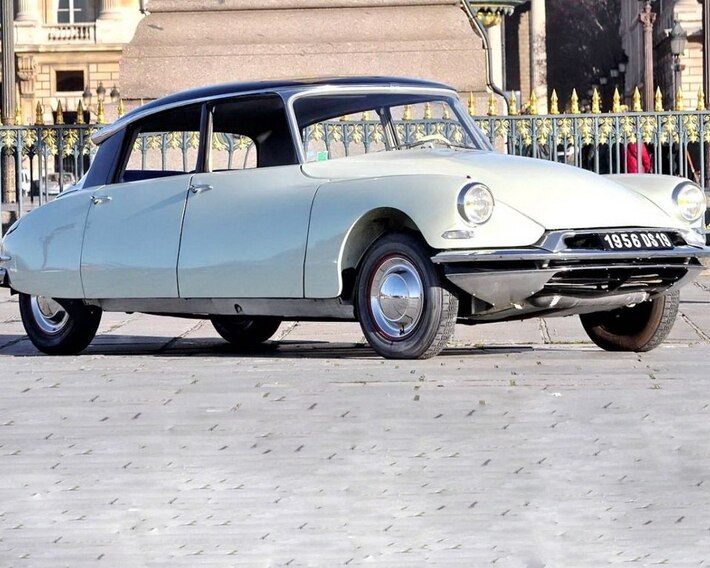
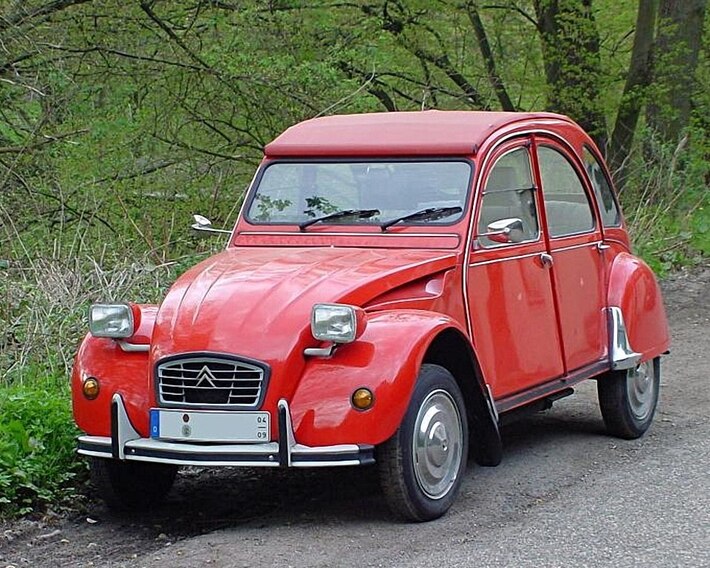
Post-war Citroën defined itself through two extraordinary products: the 2CV of 1948 — an ultra-minimal people's car designed to motorise rural France at the lowest possible cost — and the DS of 1955 — one of the most futuristic, technically advanced cars ever sold to the general public. These two models, at the polar extremes of automotive aspiration, are quintessentially Citroën: radical and accessible simultaneously.
Key Milestones
Gallery
Model Range
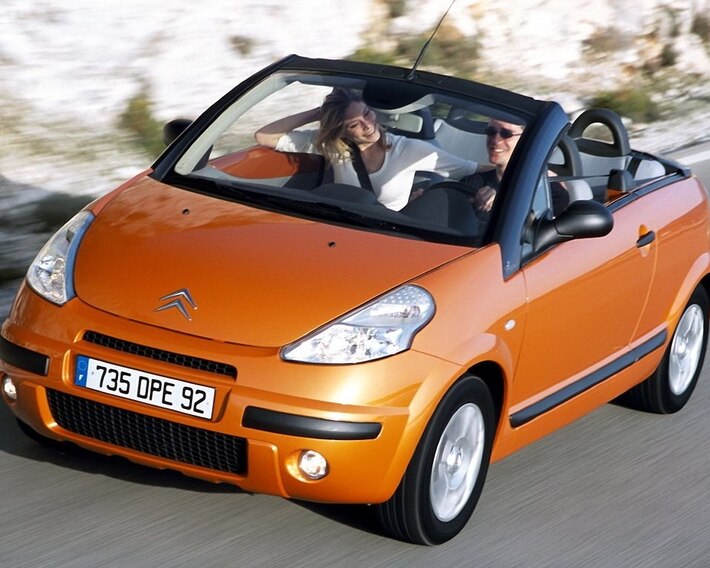
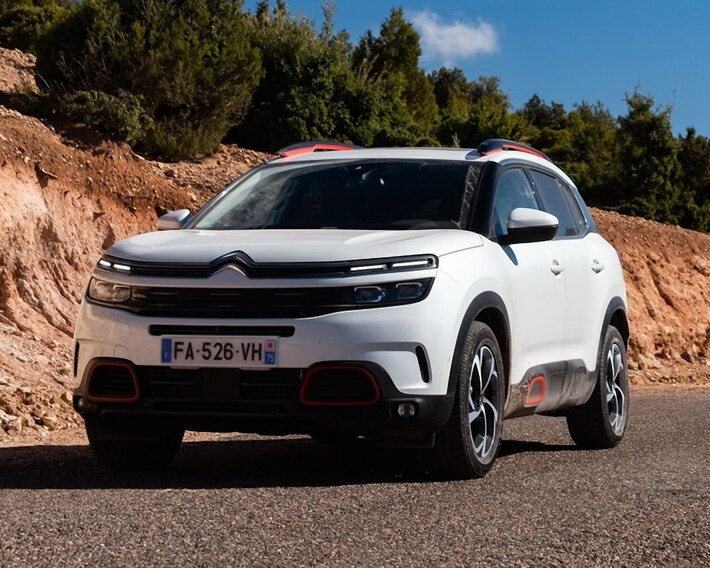
Citroën's current range spans city cars to large MPVs, with electrified variants across most body styles:
Comfort as Philosophy
Citroën's "Advanced Comfort" programme is the contemporary expression of a brand philosophy that stretches back to the DS — the belief that a car's primary responsibility to its occupants is comfort and isolation from the road's imperfections. Progressive Hydraulic Cushions (PHC) suspension, ultra-soft seating materials, and a deliberate softening of body roll limits differentiate Citroën from competitors who prioritise handling agility.
This philosophy has won Citroën a specific and loyal customer base: buyers who value long-distance comfort over corner speed, who cover significant motorway distances, and who appreciate a relaxed driving character in congested city conditions. In Azerbaijan's mix of smooth Baku boulevards and rougher inter-city roads, the Advanced Comfort approach offers real-world benefits that handling-focused rivals cannot match.
- Progressive Hydraulic Cushions (PHC) suspension
- Advanced Comfort seats (18cm thick padding)
- Citroën Connect infotainment
- ë-Series electric powertrain (CMP-EV platform)
- Hands-free parking and Highway Driver Assist
Citroën in Azerbaijan
Citroën's presence in Azerbaijan is modest but genuine — the C3 and C5 Aircross represent the brand's most visible models in the market. The French brand's comfort-oriented philosophy translates well to Azerbaijani driving conditions, where road quality varies significantly and long-distance comfort is valued. The brand's affordable pricing positions it accessibly against Korean and Japanese competitors.
Parts supply for Citroën models in Azerbaijan is supported through the broader Stellantis group network, with Peugeot dealers often able to assist with shared-platform components. The brand's limited dedicated service presence means that Citroën ownership requires more active parts sourcing than German or Japanese alternatives — a consideration for buyers seeking maximum ownership convenience.
Why Choose Citroën?
- Comfort leadership: Advanced Comfort PHC suspension delivers a genuinely different — and for many buyers, preferable — ride quality to any German or Korean rival in the segment.
- Authentic design personality: Citroën's current design language is distinctive and cohesive — the C3's comfort bumpers and bold colour schemes offer genuine character in a sea of anonymous hatchbacks.
- Electrification commitment: The ë-C4, ë-Berlingo, and ë-SpaceTourer extend full electric capability across the model range, not just a token EV halo car.
- Pricing accessibility: Citroën consistently offers competitive value against Korean and Japanese alternatives in the mainstream segment, with French character as a differentiator.
- Extraordinary heritage: The 2CV and DS are among the most significant cars in automotive history — ownership of any Citroën connects the driver to one of engineering's most adventurous traditions.
- MPV/van capability: The Berlingo and SpaceTourer remain benchmark products in the versatile family/commercial segment — practical, comfortable, and competitively priced.
BakuWheels uses cookies to improve your experience, analyse site traffic, and personalise content. By clicking Accept All, you consent to our use of cookies. Learn more in our Cookie Policy.