

Metrocab
Purpose-built London black cab — challenging the establishment with modern taxi design.
Origins & History
Metrocab was founded in 1987 as a direct competitor to LTI (London Taxi International), the long-established manufacturer of the iconic London black cab. The company aimed to offer London's licensed taxi drivers a modern alternative to the traditional LTI cab, incorporating more contemporary engineering and driver ergonomics while meeting the stringent Conditions of Fitness requirements mandated by the Public Carriage Office for London operation.
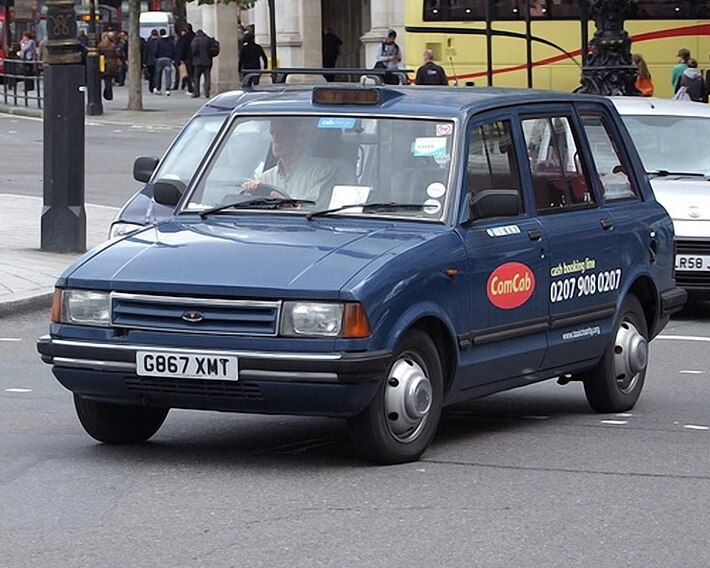
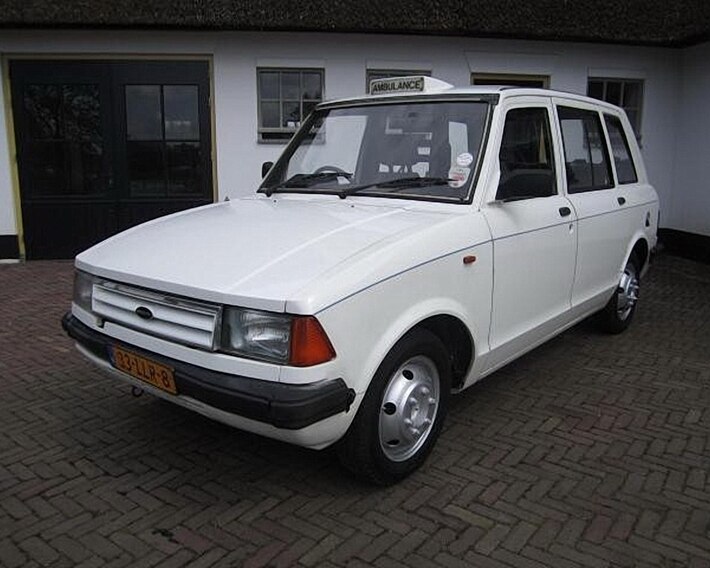
The Metrocab TTT (Taxicab of the Third Millennium) was the company's primary product — a purpose-built taxi featuring a fibreglass body on a steel spaceframe chassis with a Ford diesel engine. The TTT offered improved fuel economy and driver comfort compared to the ageing LTI Fairway, attracting a meaningful share of the London taxi fleet despite the entrenched position of LTI in the market.
Despite achieving respectable sales during the 1990s and early 2000s, Metrocab struggled to match LTI's economies of scale and brand loyalty among London's cab drivers. The company produced a Series 2 update of the TTT around 2000 but ultimately ceased production and closed in 2006, unable to sustain the investment required to develop the next generation of taxi models in an increasingly demanding regulatory environment.
Key Milestones
Notable Models
Metrocab produced a single taxi model range during its existence, focused entirely on meeting the specific requirements of the London licensed taxi market.
Engineering Design
Metrocab's engineering approach focused on meeting London's demanding taxi regulatory requirements while offering practical improvements over the incumbent LTI Fairway. The use of fibreglass bodywork over a steel spaceframe was a pragmatic choice that reduced body weight and simplified repairs compared to traditional steel-bodied taxis.
- Ford diesel powertrain — Metrocab chose reliable, widely-supported Ford diesel engines for the TTT, ensuring that the cabs could be maintained cost-effectively by any competent mechanic rather than requiring specialist taxi trade suppliers
- Fibreglass construction — Metrocab's use of fibreglass body panels reduced unladen weight compared to steel-bodied competitors, improving payload capacity and fuel economy — critical factors for professional taxi operators evaluating running costs
- Conditions of Fitness compliance — all Metrocab vehicles were engineered to meet London's stringent taxi regulatory requirements, including the famous 25-foot turning circle, accessible passenger compartment, and mandatory safety standards
- Driver-focused ergonomics — Metrocab invested in improved driver comfort features including better seating and controls layout, recognising that London taxi drivers spend their entire working lives in the cab environment
Metrocab in Azerbaijan
Metrocab vehicles are not present in Azerbaijan. The brand was exclusively focused on the London licensed taxi market and produced vehicles solely to meet specific UK regulatory requirements. The concept of purpose-built taxis like the Metrocab and LTI London cab is largely unfamiliar in Azerbaijan, where standard passenger cars and SUVs serve as the basis for most taxi operations.
For Azerbaijani automotive enthusiasts, Metrocab represents an interesting example of the highly specialised nature of the London taxi market — a unique regulatory environment that has sustained purpose-built taxi manufacturers for over a century, producing vehicles that are as much cultural icons as commercial transport tools.
Why Metrocab Matters
- London taxi heritage: Metrocab occupies a unique place in London's automotive history as the only serious challenger to LTI's dominance of the licensed taxi market in the late 20th century, demonstrating that the iconic London cab market could support competitive alternatives.
- Fibreglass taxi innovation: Metrocab's use of fibreglass body construction was an innovative approach to taxi manufacturing that offered practical advantages in weight and repairability compared to the traditional steel bodies used by LTI.
- Ford engineering accessibility: By specifying mainstream Ford engines and components, Metrocab made its taxis easier and cheaper to maintain than specialist-component alternatives, an important consideration for professional taxi operators managing tight operating margins.
- Alternative automotive heritage: Metrocab's story illustrates the challenges facing small specialist manufacturers competing against established players with deeper resources and stronger brand loyalty — a narrative that resonates across many specialist vehicle segments globally.
Iconic Models in Pictures
Metrocab vehicles — a visual selection of the iconic models produced by this manufacturer.
BakuWheels uses cookies to improve your experience, analyse site traffic, and personalise content. By clicking Accept All, you consent to our use of cookies. Learn more in our Cookie Policy.