

Nash
American automotive pioneer — from the Nash Rambler compact to the birth of American Motors.
Origins & History
Nash Motors Company was founded in 1916 by Charles W. Nash in Kenosha, Wisconsin. Nash had previously served as president of General Motors before leaving to establish his own independent automobile company. From its foundation, Nash positioned itself as a manufacturer of quality American cars at competitive prices, occupying the middle ground between the low-cost mass producers and the premium luxury brands in the American market.
Nash distinguished itself through several periods of genuine innovation. In 1950, Nash introduced the Rambler — a compact car at a time when the American market was dominated by large, fuel-hungry vehicles. The Rambler was prescient in its recognition that a segment of American buyers wanted a smaller, more economical car, and it proved commercially successful despite running counter to prevailing Detroit thinking about what American car buyers wanted.
In 1954, Nash merged with Hudson Motor Car Company to form American Motors Corporation (AMC). The Nash brand was retained alongside the Hudson nameplate for several years, but both were gradually phased out as AMC developed its own brand identity. The Nash name was discontinued in 1957, though AMC continued the Rambler line that Nash had pioneered until the mid-1960s, keeping Nash's compact car legacy alive for another decade.
Key Milestones
Notable Models
Nash produced a distinguished range of American cars throughout its four-decade history, combining quality engineering with innovative thinking about what American drivers needed.
Engineering Innovations
Nash's engineering team developed several significant innovations during the company's four decades of production, most notably in aerodynamics and climate control technology.
- Airflyte aerodynamic styling — Nash's post-war Airflyte body style was genuinely aerodynamically developed, with enclosed wheels and streamlined body surfaces that reduced drag compared to conventional American styling of the era
- Weather Eye heating system — Nash pioneered the Weather Eye integrated fresh-air heating system, one of America's first truly effective car heating and ventilation systems that became a standard feature and later a template for automotive climate control
- Unitised body construction — Nash was an early American adopter of unitary body construction, abandoning the separate body-on-frame construction that dominated American car manufacturing and improving structural rigidity and weight efficiency
- Rambler compact engineering — the Nash Rambler's compact proportions were carefully engineered to maintain interior space efficiency despite the smaller external dimensions, demonstrating that American buyers did not need to sacrifice comfort for economy
Nash in Azerbaijan
Nash vehicles are not present in Azerbaijan. The brand was discontinued in 1957 and any surviving Nash automobiles in the former Soviet space would be extraordinary rarities. American classic cars from the 1950s and earlier do occasionally appear at collector events in Azerbaijan and the wider Caucasus region, but Nash specifically is not among the recognised marques in the local collector community.
The Nash story is relevant for Azerbaijani automotive history enthusiasts as a chapter in the fascinating story of America's independent car manufacturers — companies like Nash, Hudson, Studebaker, and Packard that competed vigorously with the Big Three before ultimately succumbing to the consolidation pressures that dominated mid-20th century American industry.
Why Nash Matters
- Compact car pioneer: Nash's introduction of the Rambler compact in 1950 made the company one of America's first major manufacturers to recognise that a significant segment of American buyers wanted smaller, more economical cars — a prescient insight that anticipated the direction of the entire American car market by a decade.
- Weather Eye innovation: Nash's development of the Weather Eye heating and ventilation system was a genuine automotive innovation that improved the practical comfort of American cars and established principles of automotive climate control that endure to the present day.
- AMC foundation: Nash's merger with Hudson to form American Motors Corporation created an independent competitor that survived until 1987, producing notable cars including the AMC Gremlin, Pacer, and eventually the Jeep brand — ensuring that Nash's corporate legacy outlasted the Nash nameplate by three decades.
- Independent American heritage: Nash represents the important tradition of independent American car manufacturers who competed with General Motors, Ford, and Chrysler through engineering innovation and niche market thinking rather than sheer manufacturing scale — a tradition that produced many of America's most interesting and innovative vehicles.
Iconic Models in Pictures
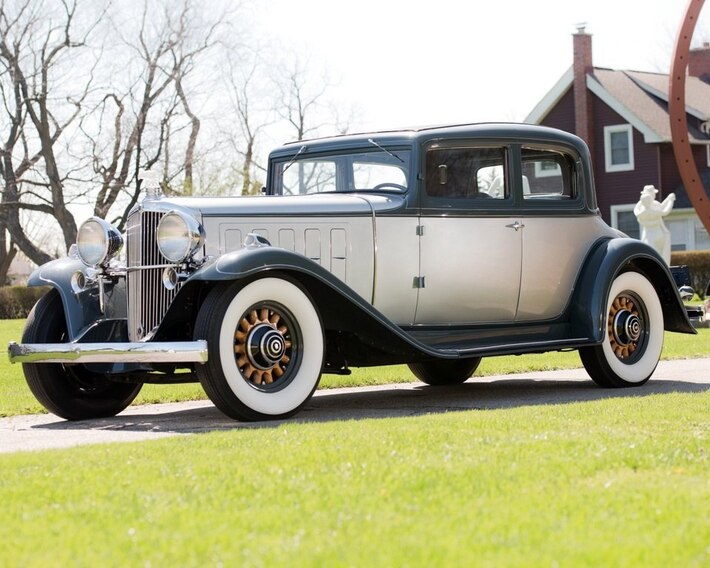
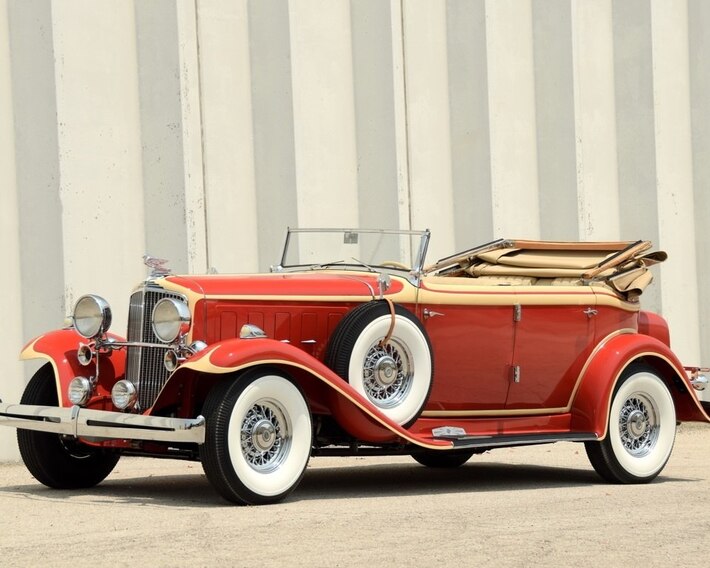
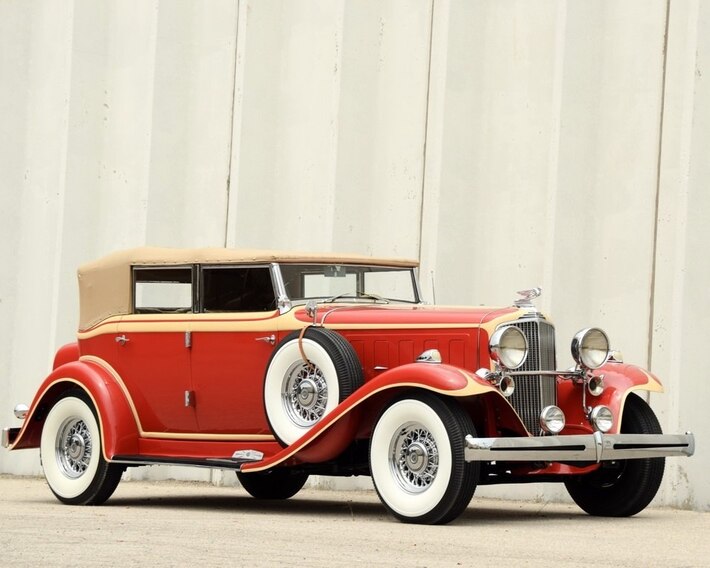
Nash vehicles — a visual selection of the iconic models produced by this manufacturer.
BakuWheels uses cookies to improve your experience, analyse site traffic, and personalise content. By clicking Accept All, you consent to our use of cookies. Learn more in our Cookie Policy.