

Fisker
Henrik Fisker's second act — the Fisker Ocean redefined what a premium electric SUV could look like, bringing world-class design and sustainable materials to the EV market before a spectacular corporate collapse cut the story short.
Origins & Heritage
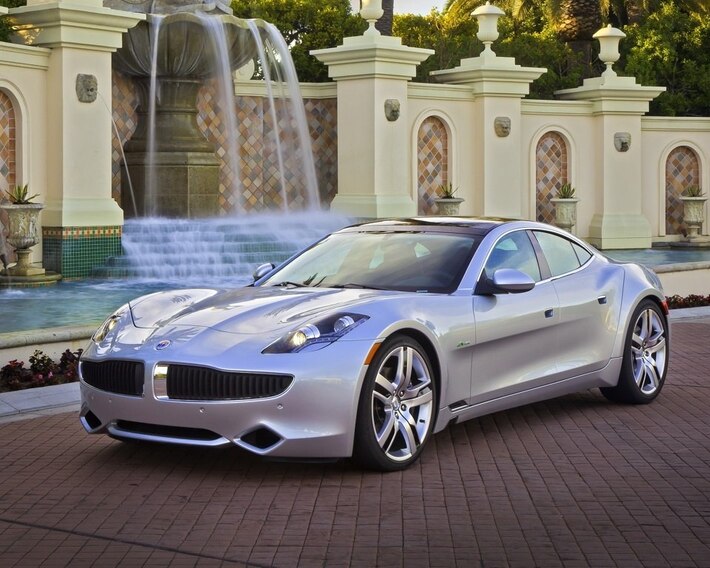
Fisker Inc. was founded in 2007 by Danish-American designer Henrik Fisker, whose previous portfolio included the Aston Martin DB9, the BMW Z8, and other landmark designs. Fisker's first company, Fisker Automotive, produced the Fisker Karma — a stunning plug-in hybrid grand tourer that attracted celebrity attention and critical acclaim before being brought down by a combination of supplier failures, battery fires, and financial difficulties in 2012–2013.
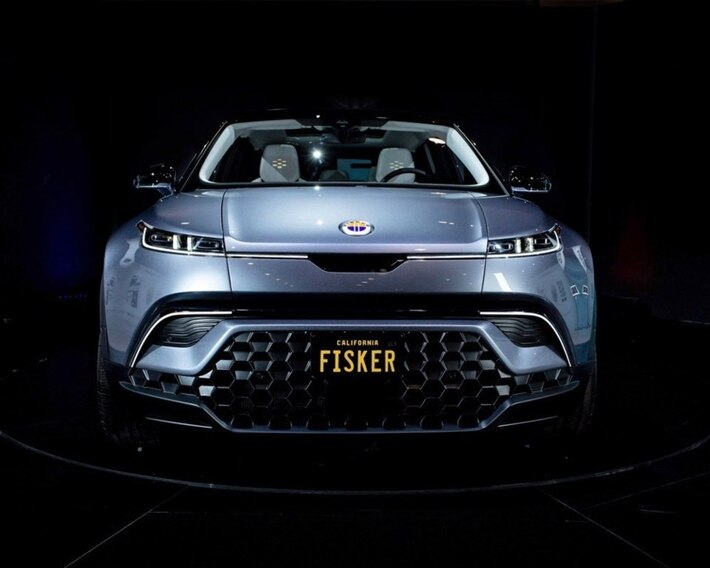
Henrik Fisker founded the second iteration — Fisker Inc. — in 2016 with a renewed commitment to producing beautiful, sustainable electric vehicles but with a different business model: asset-light contract manufacturing rather than owning factories. The resulting Fisker Ocean, revealed in 2021 and manufactured by Magna International in Austria, was one of the most striking electric SUVs of its generation — featuring a solar roof panel, a distinctive "California Mode" with all windows opening including the tailgate glass, and interior materials including recycled plastics and plant-based carpets.
Despite strong advance order numbers and critical praise for its design, Fisker Inc. filed for bankruptcy in June 2024 after struggling with post-delivery quality issues, slower-than-expected consumer acceptance, and insufficient working capital to sustain operations during the launch period. The company's rapid rise and fall — from celebrated EV startup to bankruptcy within three years of first delivery — became one of the cautionary tales of the early 2020s EV industry consolidation period.
Key Milestones
Notable Models
Fisker's history spans two companies, each producing a distinctive electric vehicle with extraordinary visual appeal and ambitious sustainability goals.
Design & Technology
Fisker's vehicles combined Henrik Fisker's world-class design talent with a commitment to sustainable materials and innovative features that distinguished them from conventional electric vehicles.
- Solar roof panel — the Fisker Ocean's optional solar roof could generate up to 1,500 miles (2,400 km) of additional annual range in sunny climates, using integrated photovoltaic cells embedded in the roof glass
- California Mode — a uniquely Fisker feature that simultaneously opens all windows including the rear tailgate glass, the side door windows, and the panoramic roof, creating a fully open-air driving experience unique to the Ocean
- Sustainable interior materials — Fisker sourced recycled ocean plastics, plant-based Dynamica microsuede, and other sustainable alternatives to conventional leather and petrochemical-derived interior trim
- Ultra-Narrowband (UNB) antenna system — an innovative antenna design that replaced conventional external aerials with an integrated system providing superior connectivity without the aerodynamic penalty of traditional antennae
Fisker in Azerbaijan
Fisker vehicles have no formal presence in Azerbaijan. Given the brand's 2024 bankruptcy and production cessation, the practical availability of Fisker models is limited globally. Any examples in Azerbaijan would have been acquired through informal import and would face challenges with service and software support in the absence of official infrastructure.
For Azerbaijani electric vehicle enthusiasts, Fisker's story is both inspiring and cautionary — a company led by one of the world's greatest automotive designers that produced genuinely exceptional vehicles but could not sustain the commercial conditions necessary for survival. The Fisker Karma in particular remains one of the most beautiful cars ever conceived for production, and its story continues to resonate among those who believe that sustainable transport and extraordinary design need not be mutually exclusive.
Why Fisker Matters
- Henrik Fisker's design legacy: As the designer of the Aston Martin DB9, BMW Z8, and Fisker Karma, Henrik Fisker has created more landmark car designs than virtually any living designer. Even in bankruptcy, his contribution to automotive aesthetics is beyond dispute.
- Sustainable material innovation: Fisker's use of ocean-recycled plastics, plant-based fabrics, and solar panel integration demonstrated that sustainable sourcing can be aesthetically superior to conventional materials — a lesson that continues to influence premium EV interior design across the industry.
- The California Mode concept: Fisker's all-open California Mode — simultaneously opening every window and the rear glass — was a genuinely original idea that no other manufacturer has matched, and it captured something essential about California's relationship with open-air motoring.
- The cost of innovation: Fisker's two bankruptcies, separated by a decade, illustrate the profound commercial challenge of being a design-led, technology-forward automotive startup in an industry where manufacturing scale, supply chain management, and capital reserves ultimately determine survival as much as product quality.
makes.fisker.galleryTitle
makes.fisker.galleryDesc
BakuWheels uses cookies to improve your experience, analyse site traffic, and personalise content. By clicking Accept All, you consent to our use of cookies. Learn more in our Cookie Policy.