
Tesla
Tesla did not disrupt the automotive industry — it redefined it entirely. In just two decades, a Silicon Valley startup proved that electric cars could be faster, smarter, and more desirable than anything powered by petrol, and forced every traditional automaker in the world to follow.
Origins & Heritage
Tesla, Inc. was founded in July 2003 by Martin Eberhard and Marc Tarpenning — two Silicon Valley engineers who believed that electric vehicles could be genuinely desirable rather than merely virtuous. They named the company after Nikola Tesla, the Serbian-American inventor whose alternating current motor underlies virtually every electric vehicle drivetrain built today. Elon Musk joined as chairman and lead investor in the company's first funding round in 2004 and became CEO in 2008 — transforming Tesla from a promising startup into the most disruptive force in automotive history.
The 2008 Roadster — Tesla's first vehicle — was a revelation. Built on a modified Lotus Elise chassis with a 53 kWh lithium-ion battery pack, it delivered 0–100 km/h in 3.7 seconds and a range of 393 km: performance and range figures that proved, definitively, that electric vehicles were not merely compliance cars for city commuters. The Roadster shocked the automotive establishment and attracted investors, talent, and public fascination simultaneously.
The Model S, launched in 2012, was Tesla's true breakthrough. A full-size luxury saloon with over 500 km range, an enormous touchscreen interface, and over-the-air software updates — the Model S introduced smartphone-era thinking to the automobile. It won Motor Trend Car of the Year, Consumer Reports' highest score in decades, and fundamentally changed what buyers expected from a premium car. Every major automaker responded by announcing their own EV programmes — a response that represents Tesla's most significant cultural achievement.
Key Milestones
Iconic Models in Pictures
The Model 3, Model Y, and iconic Model S Plaid represent Tesla's commitment to making electric vehicles that are faster, smarter, and more desirable than anything powered by petrol.
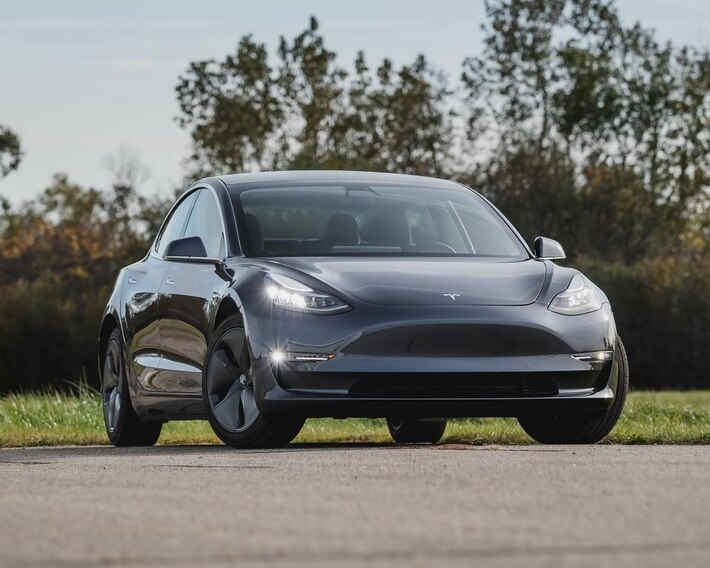
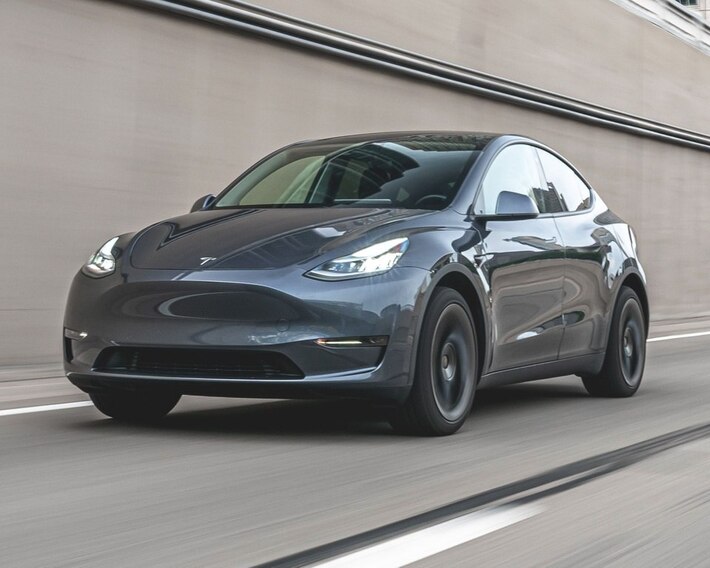
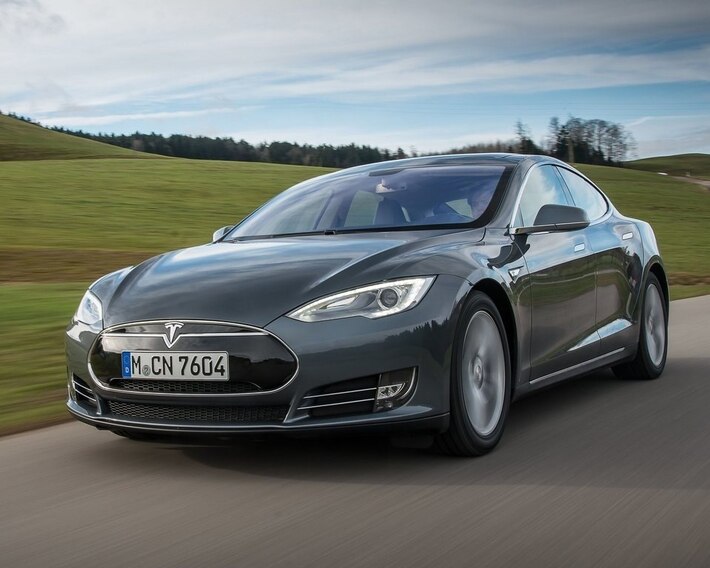
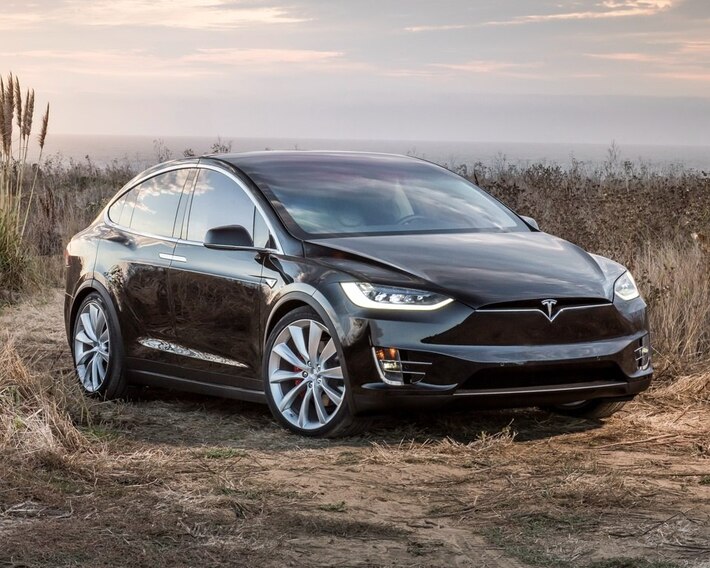
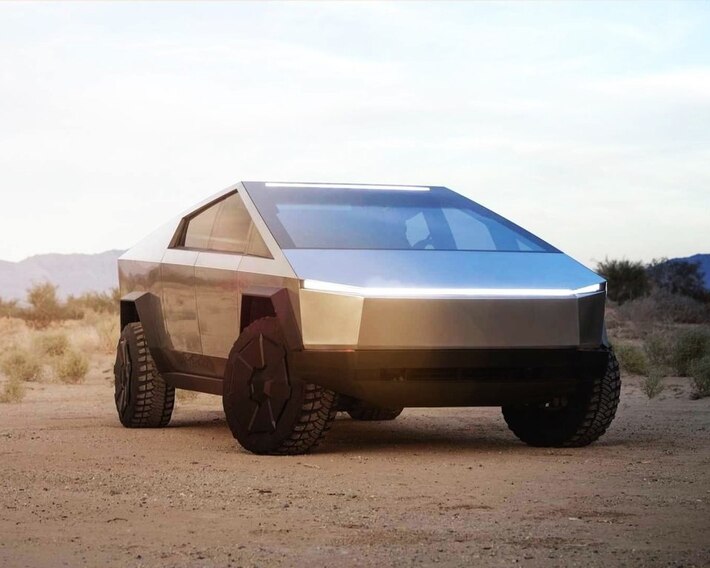
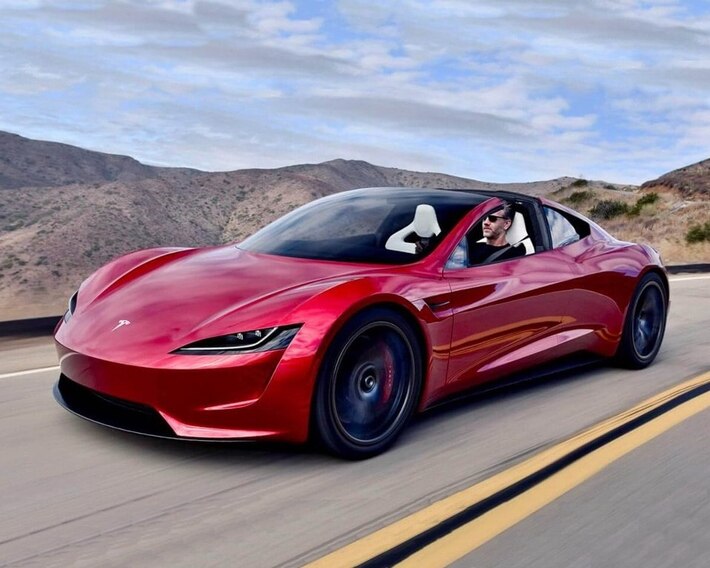
Iconic Model Lineup
Tesla's lineup is small and focused — each model targets a specific market segment and is progressively improved through over-the-air software updates rather than traditional annual model cycles. The absence of a combustion engine means every Tesla offers a flat floor, frunk (front trunk), and a fundamentally different interior architecture to petrol equivalents.
Full Self-Driving & Supercharger Network
Tesla's Autopilot and Full Self-Driving (FSD) suite represents the automotive industry's most ambitious bet on artificial intelligence. Using eight cameras, ultrasonic sensors, and custom-designed AI chips (the Tesla FSD chip, designed in-house), Tesla vehicles gather over 1 billion miles of real-world driving data annually from its fleet — training a neural network that improves with every kilometre driven by every Tesla owner worldwide.
The Supercharger network — over 45,000 high-power charging stations globally — is Tesla's most underappreciated competitive advantage. V3 Superchargers deliver up to 250 kW peak charging speed, adding up to 275 km of range in 15 minutes. The network's density and reliability along major travel corridors removed range anxiety as a practical barrier for most long-distance Tesla owners years before rival charging networks reached comparable maturity.
- Over-the-air updates — vehicles improve performance, efficiency, and safety through software downloads overnight
- Full Self-Driving suite — Navigate on Autopilot, auto lane changes, traffic light recognition, Smart Summon
- 45,000+ Superchargers globally — the most reliable and widely distributed EV fast-charging network in the world
- 4680 battery cells — cylindrical cell with structural integration into the car's floor for higher density and lower cost
- Gigafactory manufacturing — vertically integrated production from battery cells to complete vehicles at unprecedented scale
Tesla in Azerbaijan
Tesla ownership in Azerbaijan is growing steadily, particularly among technology-forward professionals and entrepreneurs in Baku. The Model 3 and Model Y represent the most common Tesla variants in the country, imported primarily through European markets. Tesla's software updates, mobile service capability, and the aspirational brand identity resonate strongly with a younger generation of Azerbaijani car buyers.
The expansion of EV charging infrastructure in Azerbaijan — supported by government investment — is improving the practicality of Tesla ownership. While the formal Supercharger network presence is limited, the growing ecosystem of Type 2 charging points in Baku and major cities is enabling Tesla owners to manage daily charging needs effectively. As infrastructure matures, Tesla's presence in Azerbaijan is expected to grow substantially.
Why Choose Tesla?
- Unmatched EV performance: Model S Plaid at 2.1 seconds 0–100 km/h — no petrol car at any price offers comparable acceleration for daily driving.
- Lowest running costs: Electricity vs. fuel, minimal servicing (no oil changes, no transmission fluid, fewer brake replacements from regenerative braking).
- Software-defined improvement: Your Tesla becomes more capable over time — features added, performance improved, bugs fixed without visiting a dealer.
- Supercharger network: 45,000+ fast chargers globally — practical long-distance travel with predictable charging stops and reliable speeds.
- Safety leadership: Model 3 and Model Y have achieved the highest NHTSA and Euro NCAP safety scores in their respective segments.
- Brand cachet: Tesla ownership signals technological sophistication and environmental commitment — an aspirational brand identity unlike any traditional automaker.
BakuWheels uses cookies to improve your experience, analyse site traffic, and personalise content. By clicking Accept All, you consent to our use of cookies. Learn more in our Cookie Policy.