

FSR
Poland's agricultural vehicle specialist — creator of the iconic Tarpan pickup truck that served Polish farms and worksites for over two decades.
Origins of FSR
Fabryka Samochodów Rolniczych (FSR — Factory of Agricultural Vehicles) was established in 1972 in Poznań, Poland, as a specialist manufacturer of light utility vehicles for agricultural and commercial applications. The factory emerged from Poland's centralised industrial planning as a dedicated producer of practical vehicles needed by the country's rural economy.
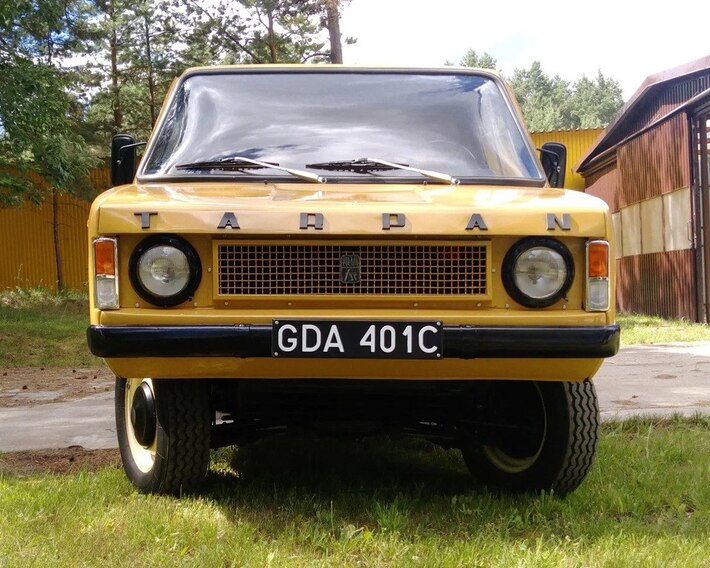
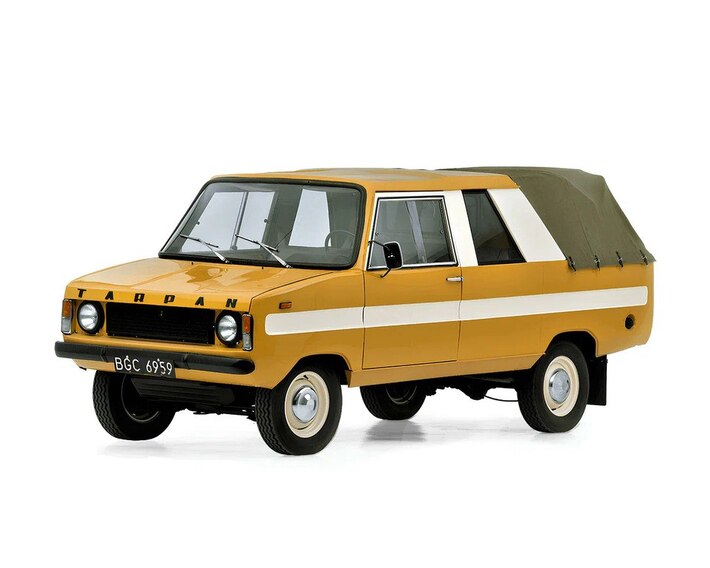
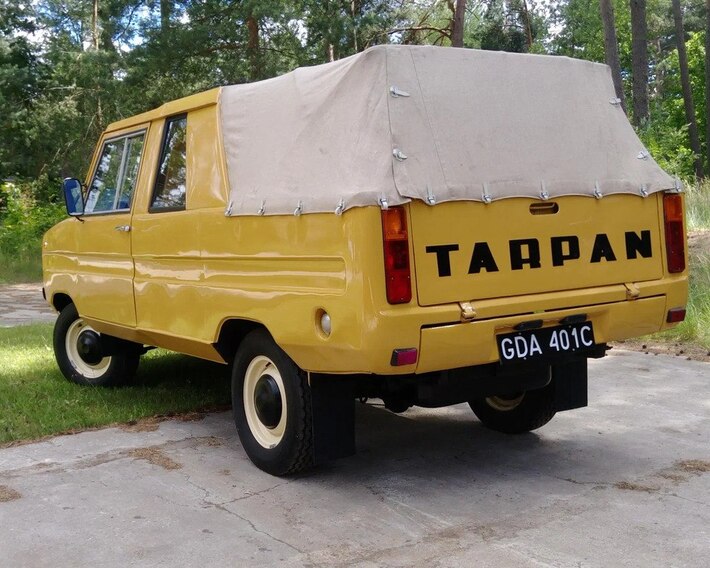
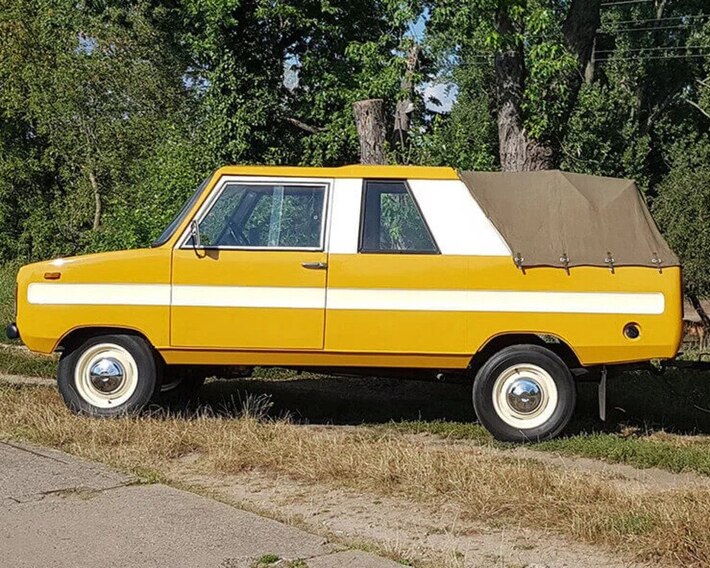
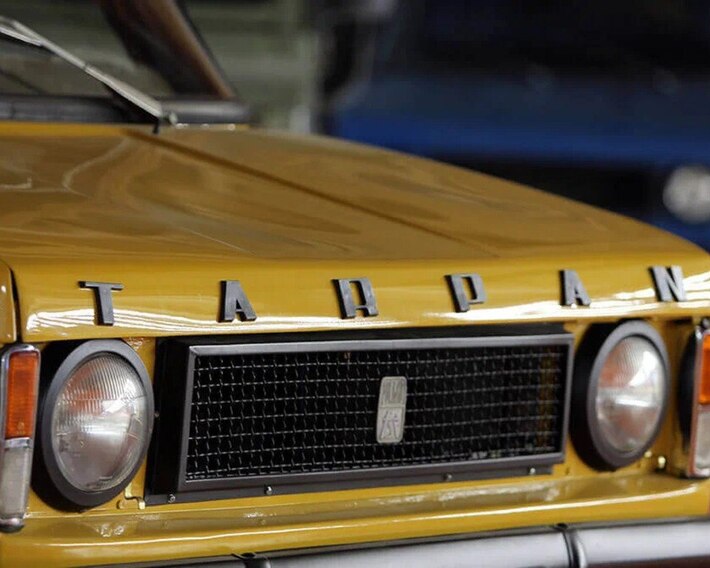
FSR's most significant product was the Tarpan — a light pickup truck and utility vehicle named after the Tarpan, a type of wild horse native to the Eurasian steppe. The Tarpan entered production in 1973 and became an important workhorse for Polish agriculture, construction, and light commercial use throughout the communist era and beyond.
After Poland's transition to a market economy, FSR faced significant commercial pressures from imported vehicles. The factory was eventually absorbed into other industrial groups and production of the Tarpan ceased in 1994. The vehicles, however, remain a recognisable symbol of Polish industrial heritage and practical automotive design from the communist period.
Key Milestones
Notable Models
FSR's production concentrated on practical utility vehicles with an emphasis on simplicity, repairability, and fitness for agricultural conditions.
Technology & Engineering
FSR vehicles were engineered for reliability and ease of maintenance rather than performance, drawing on component-sharing with other Polish manufacturers to simplify the supply chain.
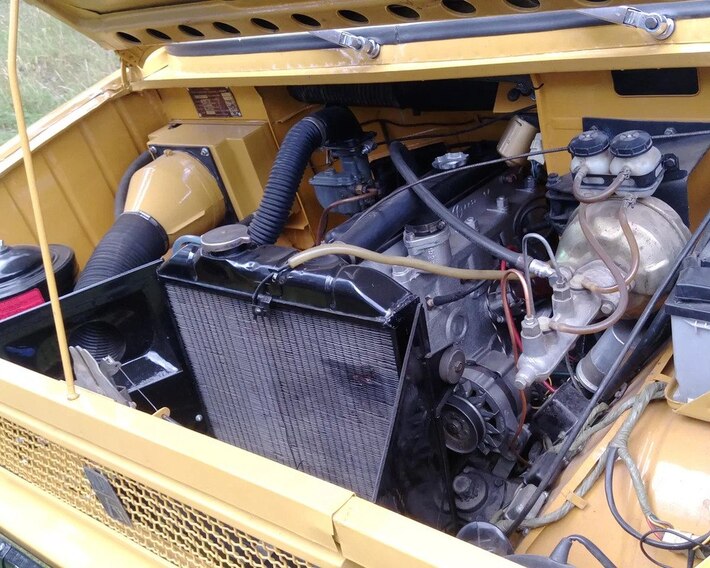
- Fiat-derived petrol engine — proven, simple, and widely understood by Polish mechanics, ensuring easy servicing throughout rural Poland
- Ladder-frame chassis construction providing rigidity and ease of repair under demanding agricultural working conditions
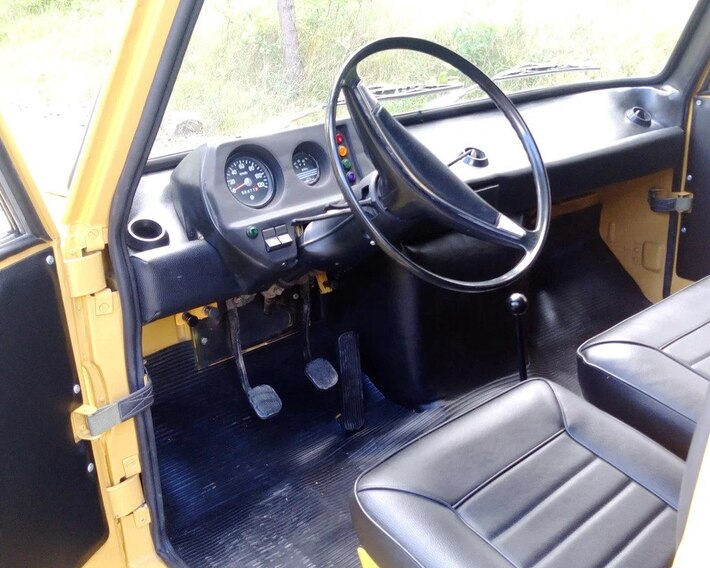
- Rear-wheel drive with manual gearbox — mechanically straightforward and reliable in the dirt, mud, and rough terrain typical of Polish rural environments
- Open load bed with removable sides — practical configuration for agricultural hauling, livestock transport, and general commercial use
FSR in Azerbaijan
FSR Tarpan vehicles have no established presence in Azerbaijan. As a specialist Polish manufacturer producing vehicles primarily for domestic use, FSR's distribution did not extend to the Caucasus region. However, light utility pickups of similar character to the Tarpan were used across the Soviet bloc, and Azerbaijani automotive enthusiasts with an interest in Eastern European vehicles may recognise the Tarpan as part of the broader communist-era commercial vehicle heritage.
For Azerbaijani buyers seeking light utility and pickup vehicles, BakuWheels offers access to a wide range of modern alternatives from established international manufacturers. The FSR story, however, provides an interesting example of how centrally planned economies approached the challenge of agricultural mechanisation through dedicated specialist manufacturers.
Why FSR Matters
- Polish agricultural heritage: The Tarpan was an important vehicle in Poland's rural mechanisation — a practical, locally produced tool that served farmers and workers across the country for over two decades.
- Communist-era design: FSR vehicles exemplify the practical, no-frills design philosophy of Eastern European automotive manufacturing under central planning, where function was prioritised over aesthetics or refinement.
- Component-sharing efficiency: FSR's approach of using Fiat-derived mechanical components shared with other Polish manufacturers created an efficient, maintainable ecosystem — a lesson in pragmatic industrial planning.
- Market transition casualty: Like many Eastern European manufacturers, FSR's story illustrates the profound disruption of market liberalisation on industries built for planned-economy conditions rather than free-market competition.
Iconic Models in Pictures
FSR vehicles — a visual selection of the iconic models produced by this manufacturer.
BakuWheels uses cookies to improve your experience, analyse site traffic, and personalise content. By clicking Accept All, you consent to our use of cookies. Learn more in our Cookie Policy.