

Hafei
China's Northern Pioneer: Affordable Mobility from the Aviation Industry's Automotive Venture.
Origins & Heritage
Hafei Automobile was established in 1986 as the automotive division of the Harbin Aircraft Manufacturing Corporation (HAMC) — one of China's leading aviation enterprises and a subsidiary of the state-owned Aviation Industries Corporation of China (AVIC). The connection to HAMC's aerospace manufacturing expertise provided Hafei with access to precision engineering capabilities, quality control processes, and materials science knowledge that distinguished its products from some other early Chinese automotive ventures. Hafei's factory in Harbin, the capital of Heilongjiang Province in northeastern China, positioned the brand as the leading automotive producer in a region characterised by harsh winters and demanding road conditions.
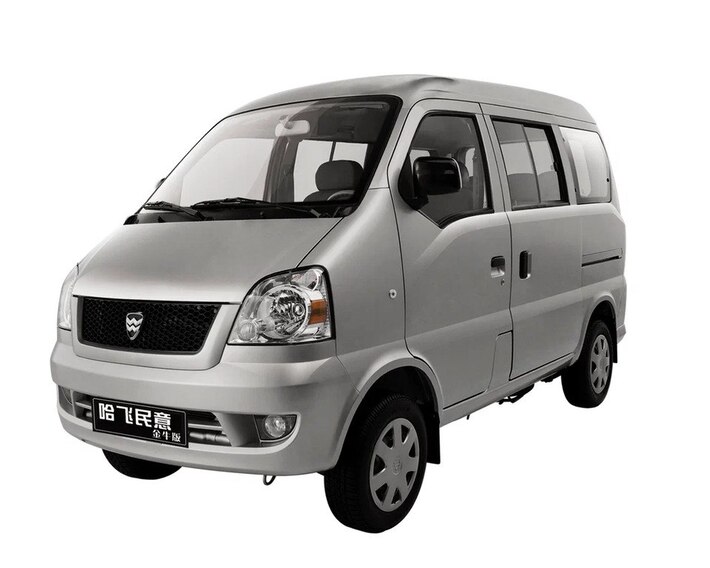
Hafei's early vehicles were modest but important for China's developing automotive market — small-displacement passenger cars and commercial vehicles that addressed the basic transport needs of Chinese consumers in an era when private car ownership was beginning to expand from institutional buyers to individual households. The Minyi microvan in particular became a significant commercial and agricultural utility vehicle, fulfilling the multi-purpose role that defines light commercial vehicles in developing markets: school transport, goods delivery, agricultural produce distribution, and extended family passenger use.
In 2009, Hafei became part of Changan Automobile Group following a strategic consolidation of China's state automotive enterprises directed by the Chinese government. The integration with Changan — one of China's four major automotive groups — effectively absorbed the Hafei brand into a larger corporate entity, though production of some Hafei-branded models continued for a period under the new ownership structure. The brand's legacy is primarily as a pioneer of accessible Chinese automotive mobility in the northeastern market and as an early participant in the CIS export trade that brought affordable Chinese vehicles to Russia and former Soviet republics during the 2000s.
Key Milestones
Iconic Models in Pictures
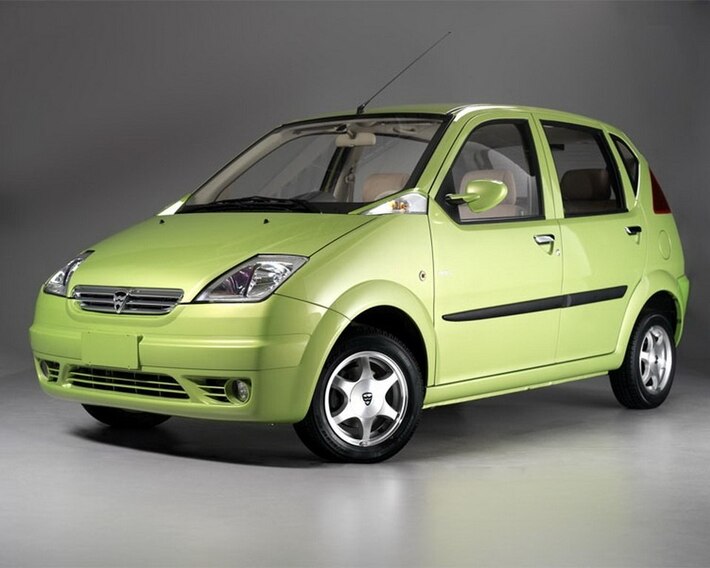
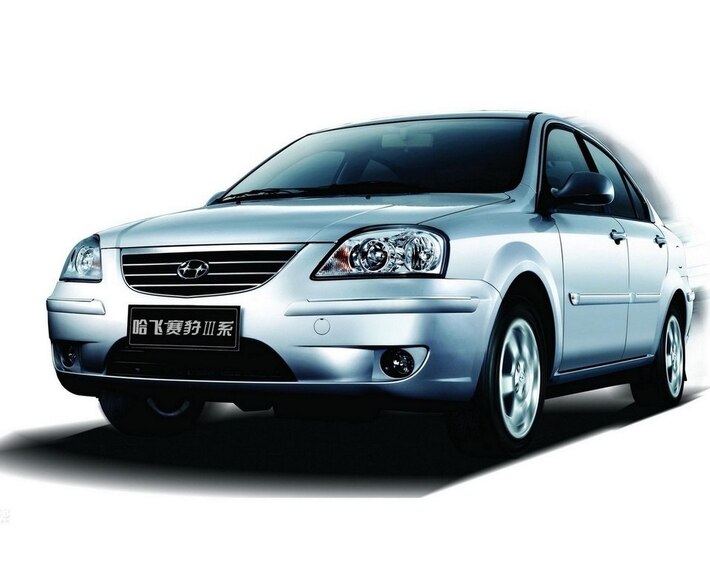
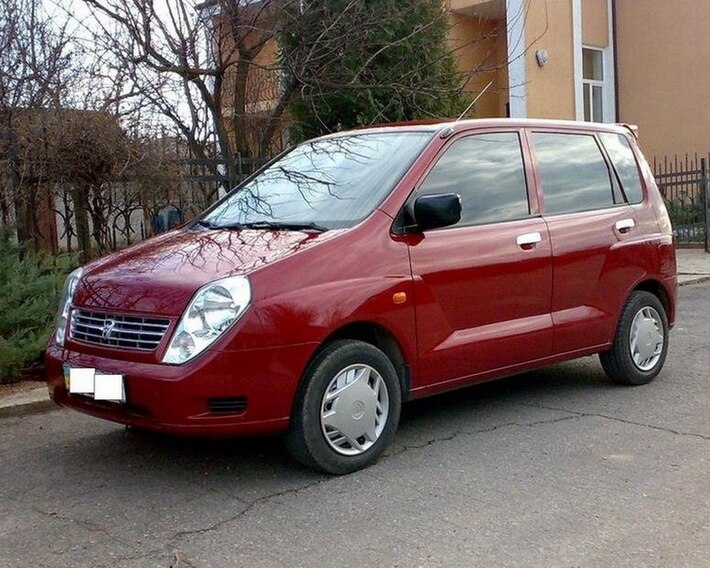
Hafei's compact vehicles served Chinese consumers and CIS market buyers across the 1990s and 2000s — affordable, practical transport for basic mobility needs from China's northeastern manufacturing heartland.
Model Lineup
Hafei's product range was focused on accessible, practical transportation — compact sedans, multipurpose minivans, and light commercial vehicles designed for the specific needs of northeastern Chinese consumers and the price-sensitive CIS export market.
Engineering & Technology
Hafei's engineering approach reflected the practical focus of an aerospace corporation entering the automotive sector — prioritising manufacturing precision, structural integrity, and proven mechanical simplicity over innovation. The HAMC parent company's quality control culture from aviation manufacturing provided a discipline that distinguished Hafei's production standards from some competing Chinese automotive brands of the same era.
- HAMC aerospace-derived manufacturing standards — Hafei's origin within an aviation manufacturing enterprise provided access to precision manufacturing equipment, quality control processes, and materials science expertise that contributed to better dimensional accuracy and assembly quality than some Chinese automotive competitors of the same period
- Compact transverse engine architecture — Hafei's passenger car and minivan range used transverse front-wheel-drive layouts with small-displacement four-cylinder engines optimised for fuel economy and low maintenance cost in the Chinese and CIS urban driving environments where Hafei vehicles were primarily used
- Cold-climate engineering specification — Harbin's extreme northeastern Chinese climate, with winter temperatures regularly below -30°C, required Hafei to engineer its vehicles for reliable cold-weather starting, effective cabin heating, and corrosion resistance appropriate for the harsh conditions of the northeastern Chinese and Russian export markets
- Simple mechanical construction for basic maintenance — Hafei's vehicles were designed to be maintained by small independent garages with basic tooling rather than requiring specialist equipment or dealer-level diagnostics; this philosophy aligned with the practical realities of the CIS markets where Hafei vehicles were exported
- Multi-purpose vehicle platform flexibility — the Lobo and Minyi platforms were engineered to support both passenger and cargo configurations with minimal modification, enabling Hafei to serve diverse market needs from the same basic platform and reducing development and production costs
Hafei in Azerbaijan
Hafei vehicles reached Azerbaijan primarily through the Russian parallel import market and through CIS regional distributors who handled Chinese automotive brands during the 2000s export expansion. The Lobo compact minivan is the Hafei model most likely to be encountered in the Azerbaijani used car market — its practical multi-purpose capability and the low acquisition prices typical of older Chinese commercial vehicles made it an accessible option for buyers seeking affordable utility transport.
For Azerbaijani buyers considering a used Hafei vehicle, the key practical consideration is spare parts availability — since Hafei was absorbed into Changan in 2009 and the brand has limited dedicated parts distribution outside China, sourcing specific Hafei components can be challenging. However, some mechanical components are shared with or interchangeable with other Chinese vehicle brands, and the simple mechanical construction means that many repairs can be accomplished with generic parts or fabricated substitutes. Buyers should prioritise vehicles with documented service history and carefully inspect body condition, as northeastern Chinese and Russian market vehicles may have been exposed to road salt corrosion.
Why Consider a Hafei?
- Aerospace manufacturing quality foundation: Hafei's origin within Harbin Aircraft Manufacturing Corporation provided a quality control culture and precision manufacturing infrastructure that distinguished its products from some competing early Chinese automotive brands — vehicles built with the discipline of an aerospace supplier rather than a startup car manufacturer.
- Lobo minivan practical versatility: The Hafei Lobo's compact dimensions, sliding rear door, and flat cargo floor provide genuine multi-purpose utility — equally usable as family transport, small business delivery vehicle, or agricultural use — at some of the most affordable used-car prices in the Azerbaijani market.
- Cold-climate engineering: Hafei's Harbin base required engineering vehicles for extreme cold-weather reliability, producing a range that handles the temperature extremes and difficult winter road conditions encountered in northern Azerbaijan's mountainous regions better than some vehicles designed exclusively for milder climates.
- Entry-level acquisition cost: Used Hafei vehicles represent some of the most affordable motorised transport available in the Azerbaijani market — suitable for buyers whose primary requirement is basic, functional mobility at the lowest possible acquisition cost.
- Simple mechanical construction: Hafei's practical, mechanically straightforward vehicles can be maintained and repaired by independent garages without specialist tooling or diagnostic equipment — an important advantage in markets where specialist Chinese brand service infrastructure may be limited.
BakuWheels uses cookies to improve your experience, analyse site traffic, and personalise content. By clicking Accept All, you consent to our use of cookies. Learn more in our Cookie Policy.