Jaguar
Grace, Space, Pace — Jaguar's original three-word philosophy has guided the brand since William Lyons crafted the first Jaguar-badged car in 1935. A century of British luxury motoring, Le Mans victories, and the leaping cat bonnet mascot have made Jaguar one of the world's most emotionally resonant automotive brands.
Origins & Heritage
The Jaguar story begins in Blackpool in 1922, when 20-year-old William Lyons and William Walmsley founded the Swallow Sidecar Company — initially producing motorcycle sidecars and then custom-bodied saloon cars on Austin Seven and Standard chassis. Lyons had an extraordinary eye for elegant automotive design and an equally extraordinary ability to price that elegance accessibly, earning the SSJ saloons the nickname 'the prettiest car in England at the price'.
The Jaguar name first appeared in 1935 on the SS Jaguar 2.5-litre saloon. After World War II, Lyons dropped the SS prefix — its associations with the Nazi SS were commercially untenable — and the company became Jaguar Cars Ltd in 1945. The elegant XK120 roadster of 1948, with its 120 mph top speed at a price that shocked the industry, established Jaguar's identity as a purveyor of exotic performance at democratic prices.
Jaguar's racing career at Le Mans in the 1950s — five victories between 1951 and 1957 — defined the brand's image for generations. The D-type, designed by aerodynamicist Malcolm Sayer with the same principles used in aircraft design, won three consecutive Le Mans races from 1955 to 1957 and its road-going evolution, the XKSS, became one of the most valuable vintage cars ever auctioned. Then came the E-type in 1961 — Enzo Ferrari called it 'the most beautiful car ever made' — and Jaguar's place in automotive history was secured.
Key Milestones
Iconic Model Lineup
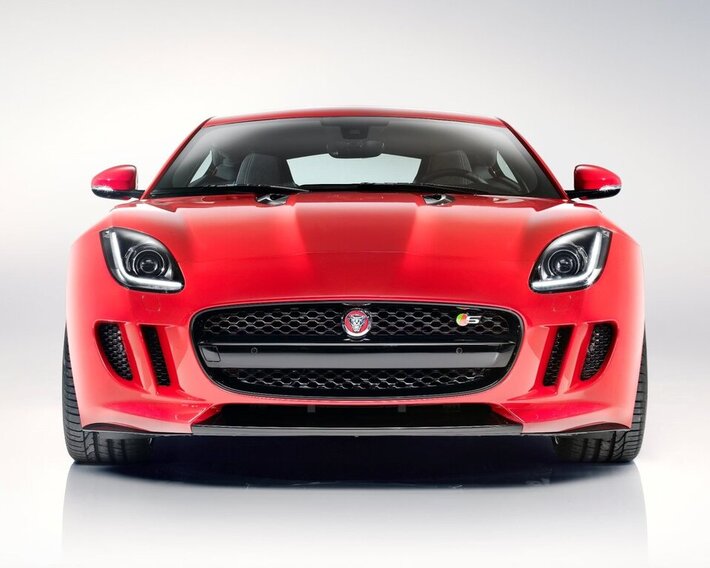
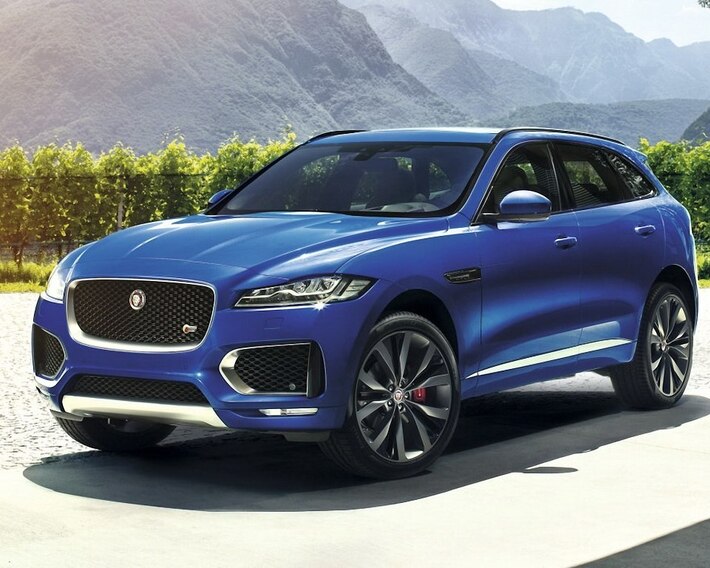
Jaguar's current portfolio covers luxury saloons, SUVs, and performance vehicles — with the brand undergoing a radical transformation in 2025 toward an all-electric, ultra-luxury positioning. The F-Pace SUV leads volume sales, the XF and XJ saloons represent refined grand touring, the F-Type is among the last great naturally aspirated sports cars, and the new electric GT heralds a bold new chapter.
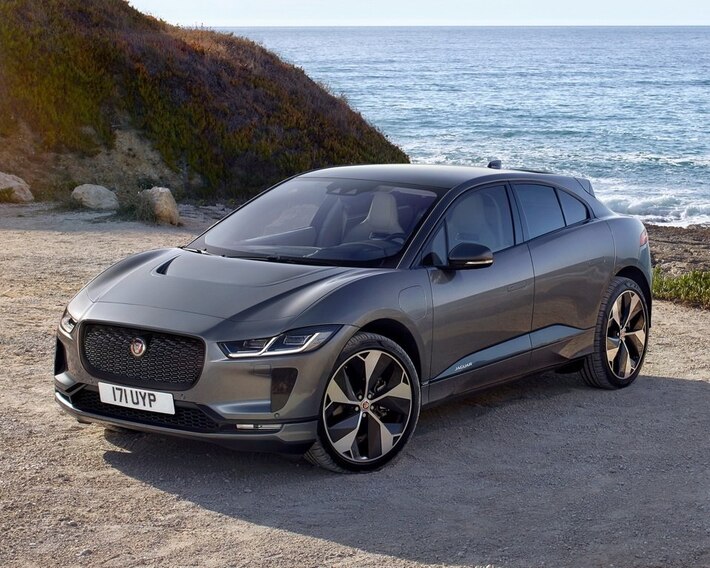
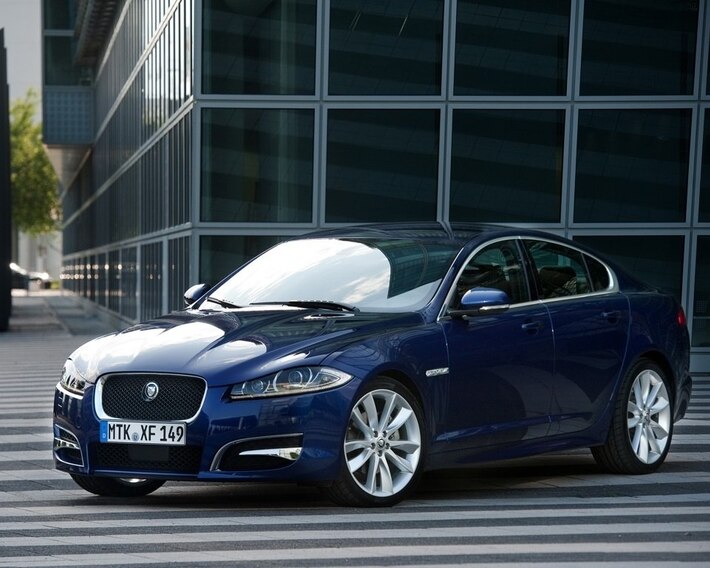
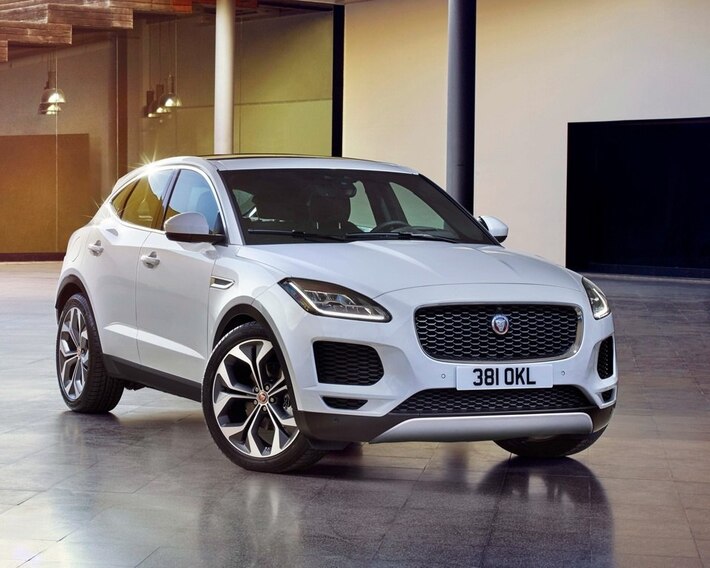
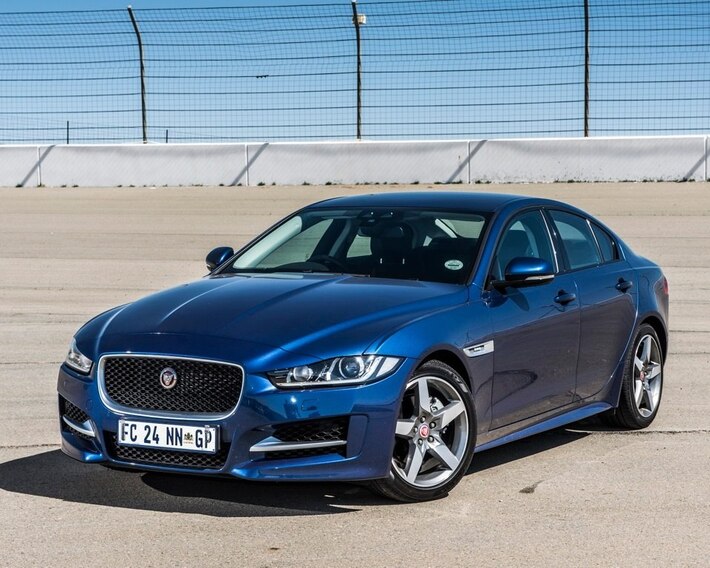
Iconic Models in Pictures
From the V8-powered F-Type roar to the whisper-quiet I-Pace, Jaguar's lineup channels a century of British craftsmanship into cars that look as extraordinary as they feel.
Design Language & Craftsmanship
Jaguar's design culture is inseparable from the vision of Ian Callum, who served as director of design from 1999 to 2019 and reshaped every model in the range with a vocabulary of taut surfaces, dramatic curves, and an unmistakably feline character. The forward-leaning bonnet line, the haunch over the rear wheel arches, and the raked windscreen are Jaguar signatures that trace back to the D-type's aerodynamic form in the 1950s.
Interior craftsmanship reflects the brand's British heritage — hand-cut and hand-stitched Bridge of Weir leather, genuine wood veneers sourced and matched in the UK, and rotary gear selectors that rise from the centre console when the engine starts. These theatre-of-ownership details reinforce the sense that a Jaguar is a designed experience as much as a means of transport.
- Aluminium-intensive vehicle architecture — up to 75% aluminium content in XJ and F-Pace body structures
- InControl Touch Pro Duo — twin touchscreen infotainment stack with haptic feedback and always-on navigation
- Configurable dynamics — Comfort, Eco, Normal, Sport, and Dynamic modes altering throttle, steering, and suspension in real time
- All-Surface Progress Control — low-speed off-road traction system for ice, gravel, and mud without driver input
- Active exhaust — valve-controlled sound enhancement from subtle V6 burble to full V8 theatre on demand
Jaguar in Azerbaijan
Jaguar occupies a distinctive position in Azerbaijan's premium market — offering British luxury, genuine sporting character, and relative exclusivity compared to the German premium triumvirate. The F-Pace SUV is the most popular model, its combination of SUV practicality and performance credentials appealing to Azerbaijani buyers who appreciate differentiated luxury.
The F-Type coupe and convertible attract enthusiast buyers drawn to the brand's Le Mans heritage and the theatrical V8 engine note — an emotional purchase that stands apart from the technology-driven German sports cars. Jaguar's transformation to all-electric ultra-luxury from 2025 is generating significant anticipation among the Azerbaijani market's forward-looking premium buyers.
Why Choose Jaguar?
- British distinction: Jaguar's British heritage and design language offer a genuine alternative to German luxury dominance — more emotional, more theatrical, more distinctive.
- Le Mans motorsport legacy: Seven Le Mans victories infuse every Jaguar with authentic racing DNA — not marketing, but genuine engineering heritage.
- Aluminium engineering: Lightweight all-aluminium body structures deliver handling agility and efficiency without compromising luxury refinement.
- Electric leadership: The I-Pace was the first premium EV from a traditional luxury brand to win World Car of the Year — setting a standard for others to follow.
- Value retention: The F-Type and F-Pace hold strong residual values — particularly V8-engined models which are increasingly rare and collectible.
- Exclusivity: Jaguar's relatively modest production volumes ensure that buyers stand out from the crowd — a genuine point of differentiation in prestige-conscious markets.
BakuWheels uses cookies to improve your experience, analyse site traffic, and personalise content. By clicking Accept All, you consent to our use of cookies. Learn more in our Cookie Policy.