

Lifan
Lifan is one of China's most recognised automotive brands — a Chongqing-based manufacturer that began producing motorcycles in 1992 before expanding into passenger cars in 2003. At its peak, Lifan exported vehicles to over 30 countries across Asia, the Middle East, Eastern Europe, Latin America, and the CIS region, making it one of the most internationally distributed Chinese automotive brands of the 2000s and 2010s.
Origins & Heritage
Lifan Group was founded in 1992 in Chongqing, China, initially as a motorcycle engine repair shop. The business grew rapidly as China's motorcycle boom created strong demand for affordable, reliable two-wheeled transport. By the mid-1990s, Lifan had established itself as one of China's largest independent motorcycle manufacturers, with exports flowing to developing markets across Asia and Latin America.
The company entered the passenger car market in 2003, applying the same value-engineering approach that made its motorcycles successful. Lifan's early cars were conventional sedans and compact vehicles positioned at the entry-level price points that dominated in emerging markets. The brand found particular traction in Russia, the CIS states, Ethiopia, Chile, Uruguay, and Vietnam — markets where affordable, practical transportation was the primary buyer priority.
In Azerbaijan and across the Caucasus, Lifan vehicles became a common sight during the 2000s and early 2010s, appreciated for their low purchase price and reasonable running costs. The Lifan 520, X60, and Solano models were particularly popular in the region. While Lifan faced restructuring challenges in the late 2010s, a significant number of Lifan vehicles remain in active use across the Azerbaijani used car market today.
Key Milestones
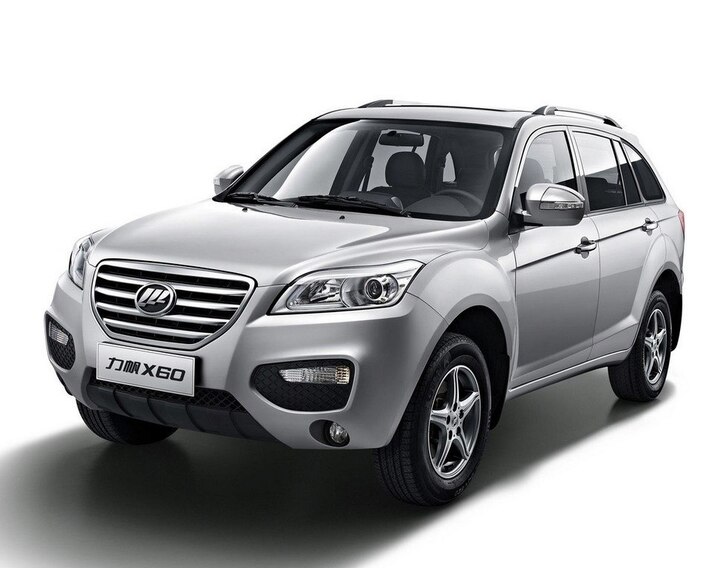
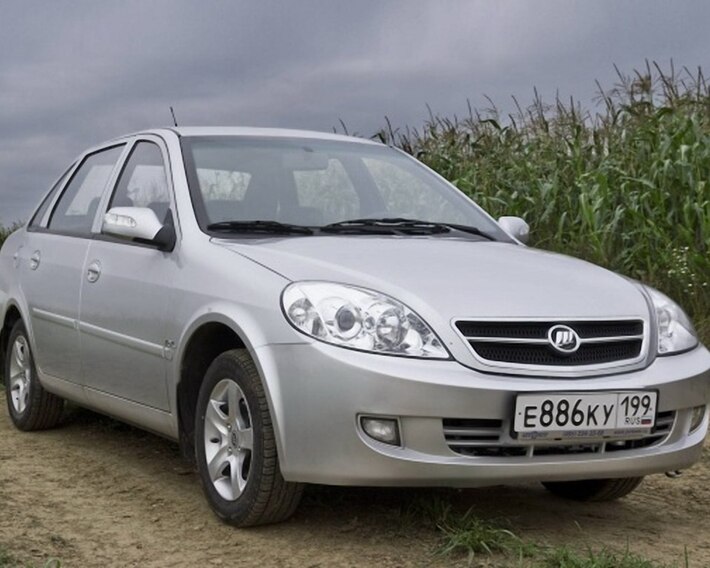
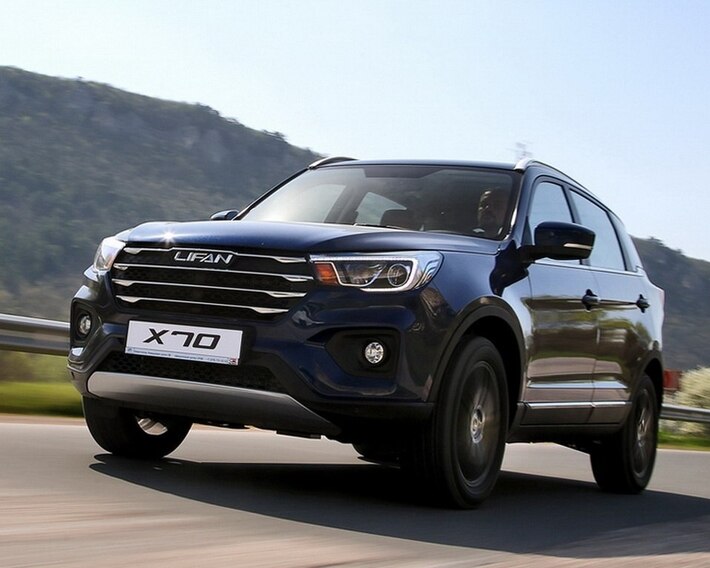
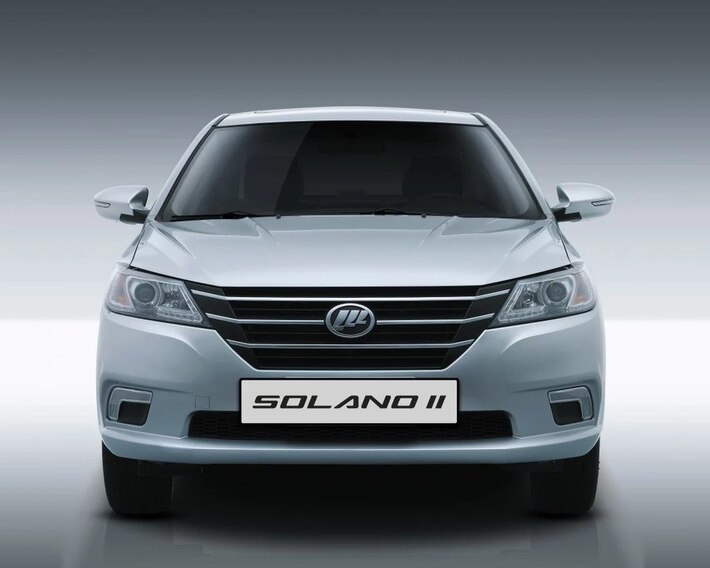
Iconic Models in Pictures
Lifan's lineup concentrated on practical, affordable sedans and compact SUVs designed for emerging markets. The X60 SUV became the brand's most recognisable global model.
Model Lineup
Lifan's passenger car range focused on accessible sedans and compact SUVs for entry-level and lower-mid-segment buyers in emerging markets worldwide.
Technology & Engineering
Lifan vehicles were engineered around proven, conventional technology rather than cutting-edge innovation — a deliberate strategy for emerging markets where repairability and simplicity are essential. The brand sourced components from established suppliers and used conventional petrol engines, traditional automatic and manual transmissions, and standard chassis technology that could be maintained by local mechanics without specialist equipment.
- Conventional 1.3–1.8L naturally aspirated and turbocharged petrol engines for reliable, serviceable performance
- Manual and automatic transmissions with straightforward service requirements and widely available parts
- MacPherson front suspension with rear torsion beam — proven, cost-effective platform shared across the sedan and SUV range
- Modern infotainment systems in later models including touchscreen displays, reverse cameras, and Bluetooth connectivity
- Crash test performance improving across later model generations, with airbags and ABS as standard across most markets
Lifan in Azerbaijan
Lifan vehicles found a receptive market in Azerbaijan during the 2000s and 2010s, when the combination of low purchase prices, low fuel costs, and simple maintenance made them attractive for buyers seeking basic, dependable personal transport. The Lifan 520 and X60 were particularly visible across Baku and regional cities, offering an accessible entry point to private car ownership for buyers on modest budgets.
Today, Lifan vehicles are primarily found in the used car market in Azerbaijan, where their affordability and widespread parts availability (shared with many Chinese vehicles) keep them practical for budget-conscious owners. For buyers considering a Lifan purchase on BakuWheels, selecting a model with a complete service history and verified mileage is advisable, as build quality consistency varied across production runs.
Why Consider a Lifan?
- Outstanding affordability: Lifan vehicles represent some of the lowest entry prices in the Azerbaijani used car market, making personal transport accessible on minimal budgets.
- Simple, serviceable mechanics: Conventional engines and transmissions can be maintained by any competent local mechanic without specialist diagnostic tools.
- Practical body styles: Sedans and SUVs cover the most common use cases for Azerbaijani drivers, from city commuting to regional road trips.
- Parts availability: Chinese-standard components are widely available in Azerbaijan through generic automotive parts channels, keeping maintenance costs low.
- Established used market: A well-established pool of Lifan vehicles in Azerbaijan means realistic pricing, knowledgeable sellers, and accessible specialist advice.
BakuWheels uses cookies to improve your experience, analyse site traffic, and personalise content. By clicking Accept All, you consent to our use of cookies. Learn more in our Cookie Policy.