

LTI
The British manufacturer whose vehicles have defined taxi transport in London for over a century — producing the iconic black cab in various forms that has become one of the world's most recognisable automotive symbols and a central element of London's transport infrastructure and cultural identity.
Origins of LTI
LTI — London Taxis International — traces its origins to a company established in Coventry in 1899. The company went through various ownership and name changes over its history, operating as Carbodies Ltd from 1919 before eventually becoming London Taxis International. The company's history is inseparable from the development of the London hackney carriage — the regulated taxi trade that has operated under strict licensing conditions since the 17th century and requires vehicles to meet specific design criteria, including the famous 25-foot turning circle that enables U-turns in London's narrow streets.
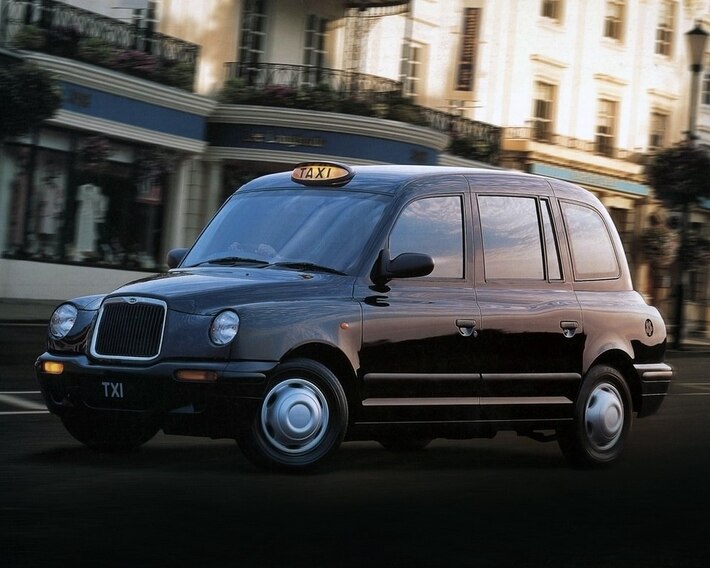
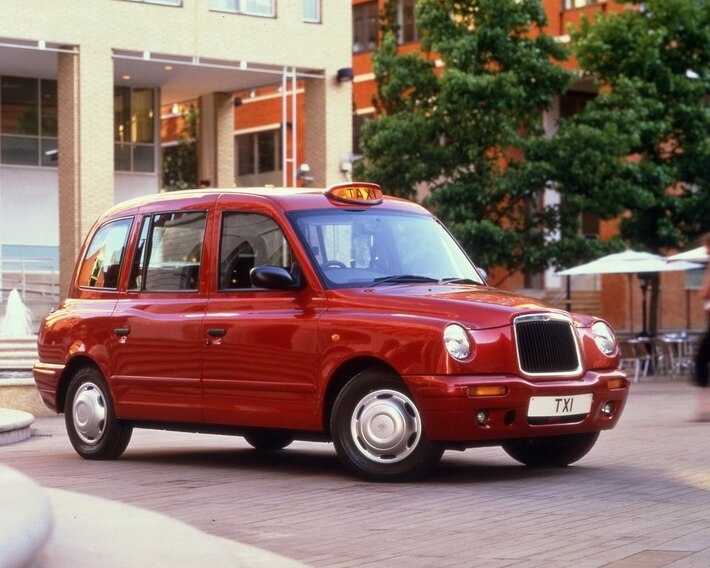
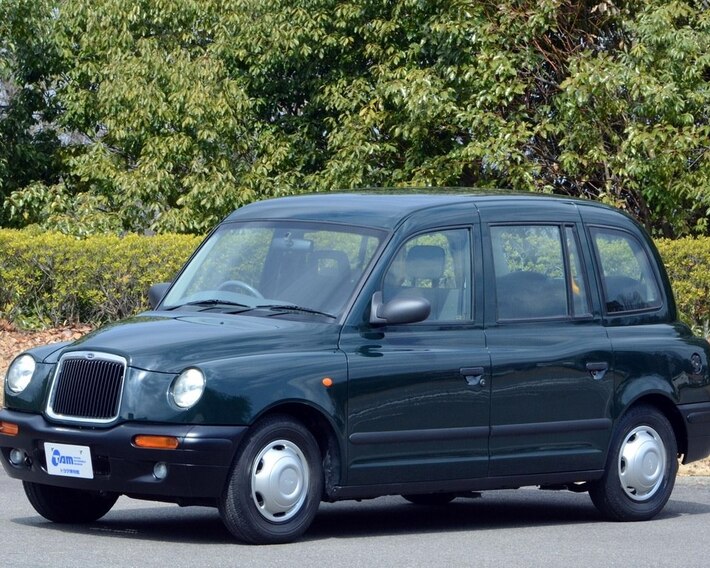
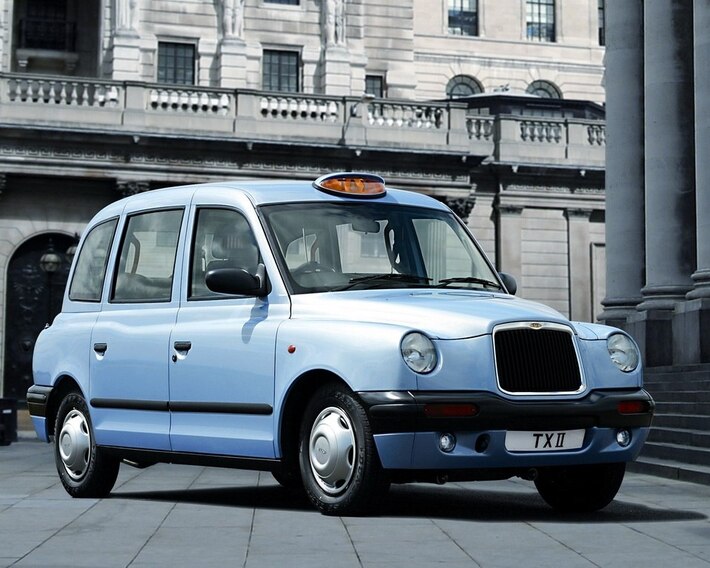
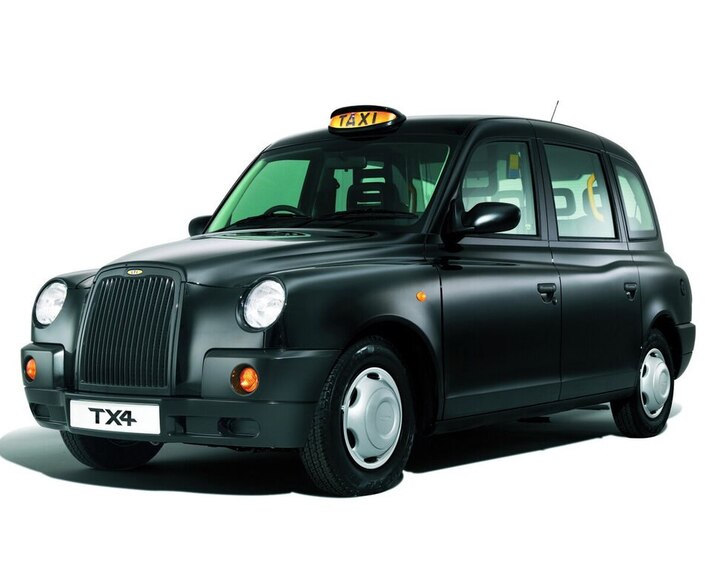
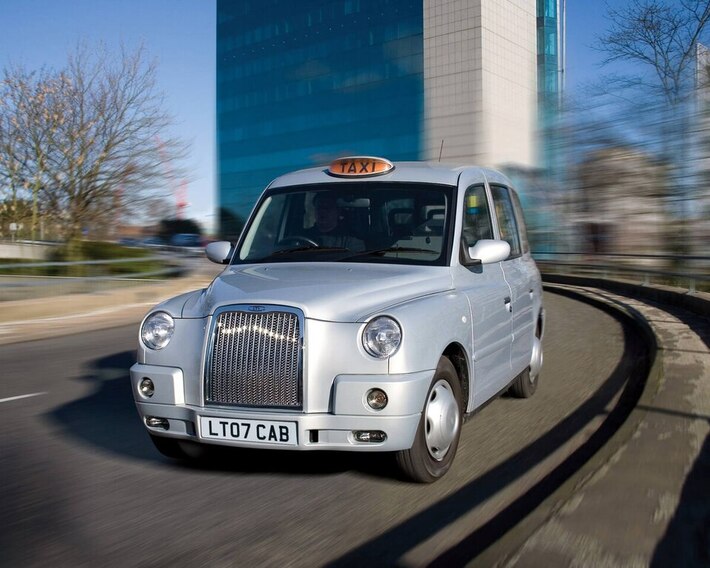
LTI's most famous product is the TX series of black cabs — the definitive London taxi that has been produced in various generations since the FX4 of 1958. The FX4 remained in production for an extraordinary 39 years until 1997, making it one of the longest-running production vehicles in automotive history. The TX1 that succeeded it in 1997, followed by the TX2 (2002) and TX4 (2007), maintained the traditional body-on-frame architecture and distinctive upright styling that makes London taxis immediately recognisable worldwide.
In 2013, LTI was acquired by Geely Holding Group — the Chinese automotive conglomerate that also owns Volvo, Lotus, and LEVC (the successor brand to LTI). Under Geely ownership, the company was transformed into LEVC (London Electric Vehicle Company), and production of the iconic electric TX5 and TX model began. While LTI as a brand is now dormant, its vehicles remain in service across London, and the LEVC TX represents the continuation of a tradition that LTI established over more than a century.
Key Milestones
Notable Models
LTI's production history is defined by a single product focus — the London black cab — produced in successive generations over more than half a century.
Technology & Engineering
LTI's engineering was fundamentally shaped by the unique regulatory requirements of London's hackney carriage licensing — producing vehicles that meet specification demands found nowhere else in automotive engineering.
- 25-foot turning circle — London taxi regulations require a turning circle of 25 feet (7.62m), necessitating specialised front steering geometry and short wheelbase architecture that enables the cab to execute U-turns in the narrow streets of central London
- Partition-separated passenger compartment — LTI's taxis feature a separate passenger compartment with a privacy partition between driver and passengers, with a communicating window enabling fare negotiation and conversation — a layout specifically required by hackney carriage regulations
- Wheelchair accessibility — London taxi regulations require all licensed taxis to be wheelchair-accessible, and LTI's TX series features purpose-designed wide doors, fold-down ramps, and interior space layouts enabling wheelchair users to be accommodated with dignity and ease
- Purpose-designed taxi architecture — unlike converted passenger cars, LTI's vehicles were designed from the ground up as taxi cabs, with driver ergonomics, passenger access, durability, and serviceability optimised for the unique demands of commercial taxi operation in a congested urban environment
LTI in Azerbaijan
LTI black cabs are not operated in Azerbaijan, where taxi services use conventional passenger vehicles. However, the London taxi concept — purpose-designed, professionally operated, and regulated to high standards — represents an approach to urban taxi infrastructure that has lessons for any city seeking to provide professional, accessible taxi services.
Baku's taxi industry has developed significantly with the growth of ride-hailing platforms, but purpose-designed taxi vehicles like LTI's products represent a different philosophy: that the taxi is a professional transport service requiring specialist equipment rather than simply a private car with a meter. This perspective has value for any city considering the future of its taxi infrastructure.
Why LTI Matters
- London's transport icon: LTI's black cabs are among the world's most recognisable vehicles — a symbol of London that has maintained its essential design character through multiple generations while evolving to meet contemporary safety, accessibility, and environmental standards.
- Purpose-built taxi engineering: LTI's vehicles represent the value of designing vehicles specifically for their intended use — producing taxis that are safer, more accessible, more comfortable, and more durable than converted passenger cars used as taxis in most cities worldwide.
- Regulatory-driven innovation: LTI's engineering history demonstrates how strict regulatory requirements — the 25-foot turning circle, wheelchair accessibility, partition architecture — can drive genuine innovation that produces products superior to those designed without such constraints.
- Century-long legacy: LTI's more than a century of continuous taxi production represents an extraordinary industrial heritage — a business that has survived multiple ownership changes, economic cycles, and technological revolutions while maintaining its core purpose of providing London with its iconic black cab.
Iconic Models in Pictures
LTI vehicles — a visual selection of the iconic models produced by this manufacturer.
BakuWheels uses cookies to improve your experience, analyse site traffic, and personalise content. By clicking Accept All, you consent to our use of cookies. Learn more in our Cookie Policy.