

Renaissance
Renaissance Cars was one of America's earliest dedicated electric vehicle manufacturers — producing the Tropica open-top electric roadster at a time when EV technology was in its infancy, and demonstrating that zero-emission motoring could be both practical and genuinely enjoyable.
Origins & History
Renaissance Cars was founded in 1993 in Chattanooga, Tennessee, by a team of entrepreneurs and engineers who believed that California's landmark Zero Emission Vehicle mandate — requiring major automakers to offer electric vehicles — would create a genuine commercial market for battery-powered cars. Rather than wait for the major manufacturers to define what an electric car could be, Renaissance set out to prove that a small, focused company could produce a compelling EV from scratch, combining the latest battery technology with attractive, purpose-built bodywork.
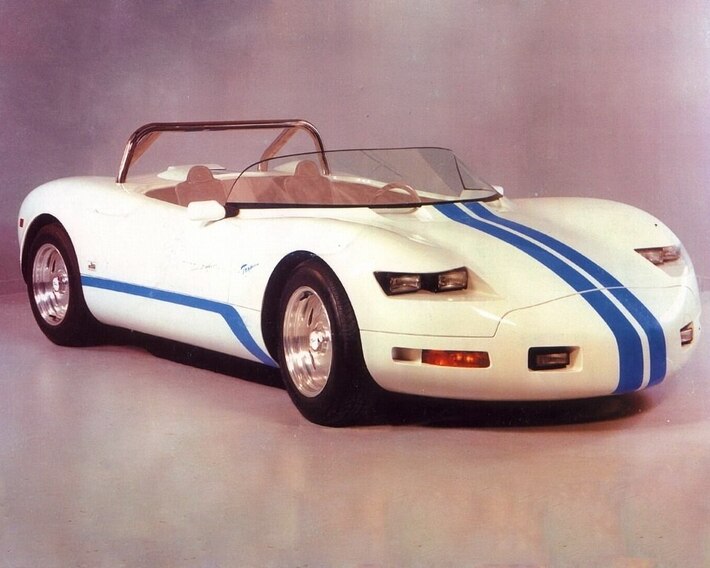
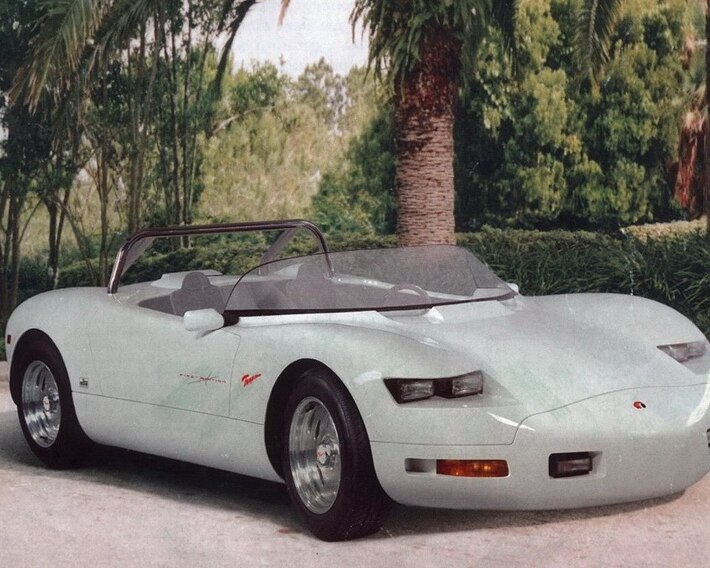
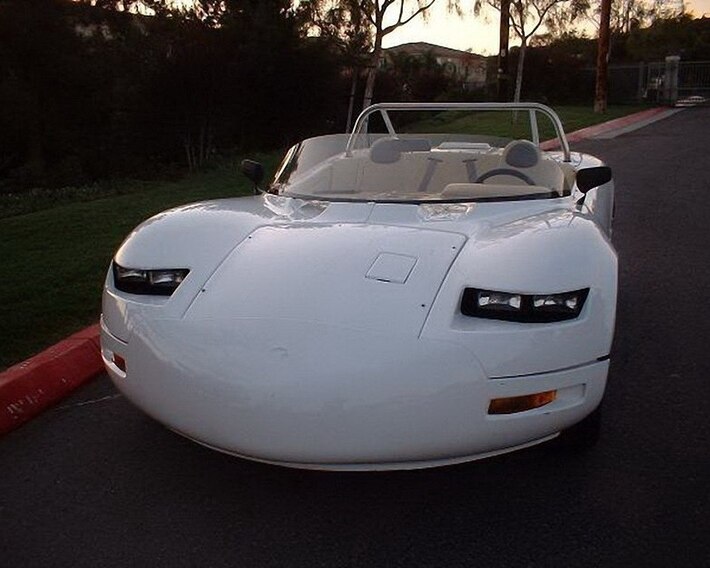
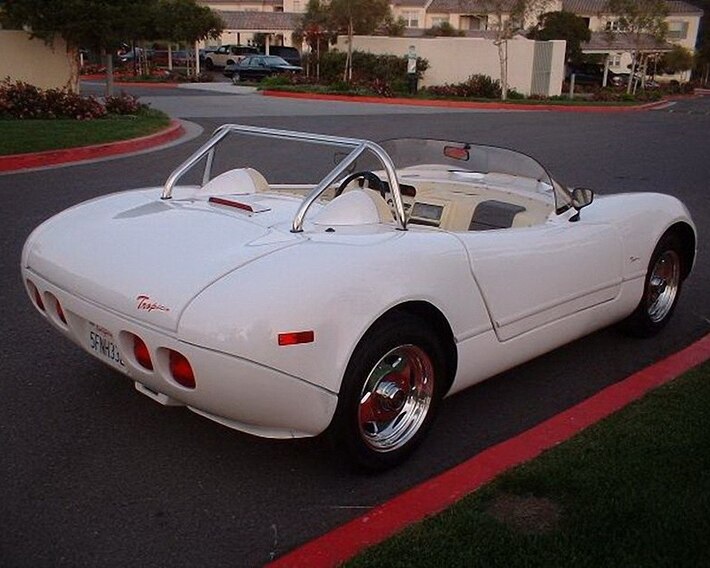
The company's primary product was the Tropica, a two-seat open-top electric roadster designed specifically for the sunny, congested commuter markets of California and the American Southwest. The Tropica's fibreglass body was designed to be lightweight and aerodynamically efficient, maximising the range available from the lead-acid battery packs of the era. Its open-top roadster format gave it a fun, sporty character that stood apart from the economy-focused utility vehicles that many people associated with electric motoring.
Renaissance operated during one of the most difficult periods for small EV manufacturers — the mid-1990s, when battery technology was expensive and limited, charging infrastructure was virtually non-existent, and major automakers were lobbying hard against California's ZEV mandate. Despite these headwinds, the company managed to produce and sell a small number of Tropicas, establishing itself as a genuine pioneer of the dedicated EV startup business model that Tesla and others would later develop far more successfully. The company ceased operations in the early 2000s as the regulatory environment for EVs weakened.
Key Milestones
Notable Models
Renaissance's vehicle programme centred on a single definitive product — the Tropica — designed to prove that electric motoring could be desirable, not merely practical.
Engineering Philosophy
Renaissance's engineering was shaped by the constraints of mid-1990s battery technology — optimising every aspect of vehicle design to maximise the useful range available from the lead-acid packs that were the only affordable option for the era.
- Lightweight fibreglass construction — Renaissance used fibreglass body panels to minimise vehicle weight, directly extending the range available from the battery pack; every kilogram saved translated into additional kilometres of real-world driving range
- Purpose-built EV platform — rather than adapting a conventional petrol car's platform to electric power, Renaissance designed the Tropica from the outset as an electric vehicle, optimising the packaging of battery packs, motor, and controls for the specific demands of EV operation
- Aerodynamic efficiency — the Tropica's open-top roadster body was designed with aerodynamic efficiency in mind, reducing drag at highway speeds and extending range at the commuter and highway velocities typical of California driving
- Commuter-focused range engineering — Renaissance's engineering prioritised the range requirements of a typical American commuter — around 40 to 60 miles per day — rather than attempting to match the range of petrol vehicles, resulting in a focused product well-suited to its intended use case
Renaissance in Azerbaijan
Renaissance Cars vehicles are not present in Azerbaijan. The company's production was extremely limited and focused entirely on the California and American Southwest markets. Any Renaissance Tropica in existence today is a collector's piece representing an important chapter in the early history of the electric vehicle industry.
For those interested in the history of electric vehicle development, Renaissance Cars represents a fascinating early chapter — a small American company that anticipated the EV revolution by decades, demonstrated that purpose-built electric roadsters could be produced commercially, and established a business model template that would eventually be refined and scaled by Tesla and others into one of the most significant automotive transformations of the 21st century.
Why Renaissance Matters
- First-generation EV startup pioneer: Renaissance was one of America's earliest dedicated electric vehicle startups — founded a full decade before Tesla, it proved that a small company could design, build, and sell a purpose-built electric car commercially, establishing a template that would eventually transform the entire automotive industry.
- Desirability-first EV philosophy: The Tropica's roadster format was a deliberate choice to make electric driving desirable rather than merely practical — a philosophy that Tesla would later adopt far more successfully with the Roadster and Model S, challenging the assumption that EVs must be plain and utilitarian.
- ZEV mandate response: Renaissance was created specifically in response to California's Zero Emission Vehicle mandate — making it one of the clearest early examples of how strong environmental policy can stimulate automotive innovation, a dynamic that has since driven the global shift toward electrification.
- Collector and historical significance: The very few Renaissance Tropicas that survive represent tangible evidence of America's first serious wave of EV entrepreneurship — vehicles that predate the lithium-ion revolution and document the determination of early believers in electric mobility who pushed forward despite the significant technological and commercial barriers of the era.
Iconic Models in Pictures
Renaissance vehicles — a visual selection of the iconic models produced by this manufacturer.
BakuWheels uses cookies to improve your experience, analyse site traffic, and personalise content. By clicking Accept All, you consent to our use of cookies. Learn more in our Cookie Policy.