

Saab
Born from jets — quite literally. Saab AB built fighter aircraft before pivoting to automobiles in 1945, and that aerospace DNA never left. Saabs were unconventional, turbocharged, safety-obsessed, and fiercely independent. A cult following endures long after production ended in 2011.
Origins & Heritage
Svenska Aeroplan AB — Saab — was founded in 1937 to build military aircraft for the Swedish Air Force. As World War II drew to a close and aircraft orders declined, Saab's management made the bold decision to diversify into automobile production. The first Saab car — the 92 — was unveiled in 1947, designed by aeronautical engineer Gunnar Ljungström with clear influence from the aircraft world: a streamlined teardrop body with a coefficient of drag so low (0.30 Cd) that it would be considered exceptional in a modern production car.
Saab's engineering philosophy consistently diverged from industry norms. The 99 of 1968 pioneered the front-wheel-drive layout at a time when rear-wheel drive was universal among European premium brands. The 99 Turbo of 1978 was the first turbocharged production car for regular consumers — making 145 hp from a 2.0-litre engine and establishing turbocharged performance as a viable mainstream technology a decade before Audi and Volkswagen brought it to the mass market.
General Motors acquired a 50% stake in Saab Automobile in 1990 and full control in 2000, beginning a period of badge-engineering that gradually diluted the brand's engineering distinctiveness. Despite genuinely excellent cars like the 9-5 Arc and the 9-3 Viggen, Saab struggled commercially. GM's 2009 bankruptcy led to the sale of Saab to Spyker Cars, which then entered administration. The last Saab rolled off the Trollhättan production line in December 2011.
Key Milestones
Iconic Models in Pictures
The 900 Turbo's quirky character, the 9-3's sporty sophistication, and the unique aircraft-inspired interiors made Saab one of motoring's most distinctive and beloved brands.
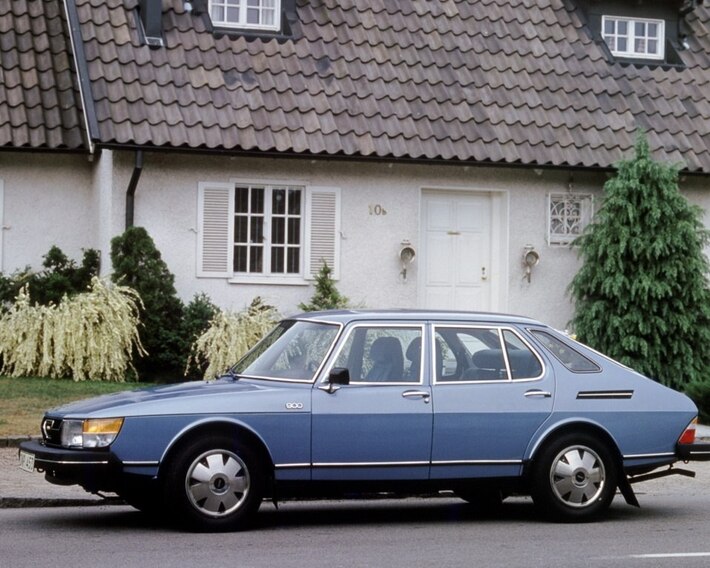
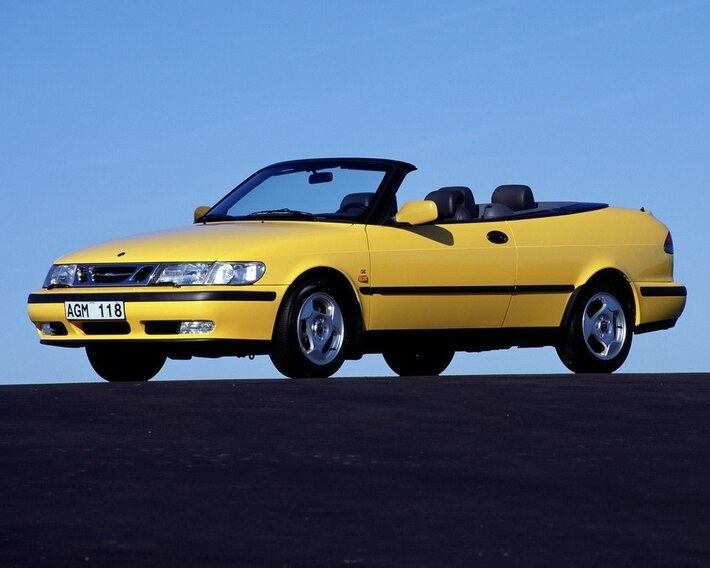
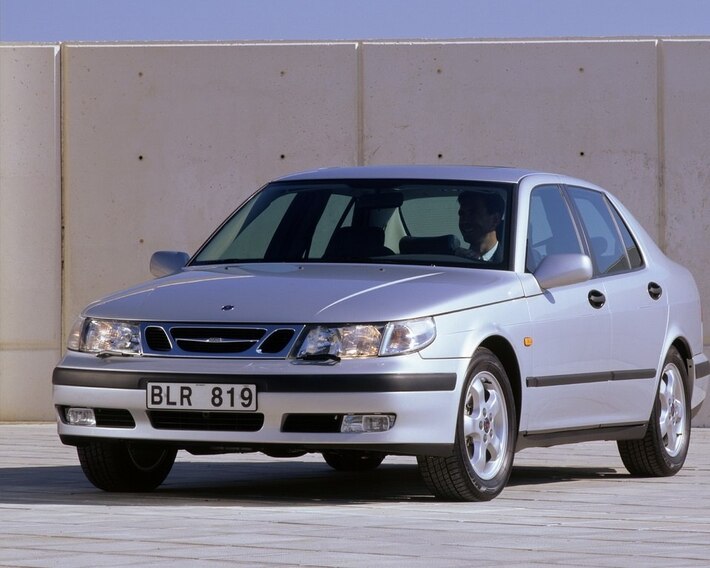
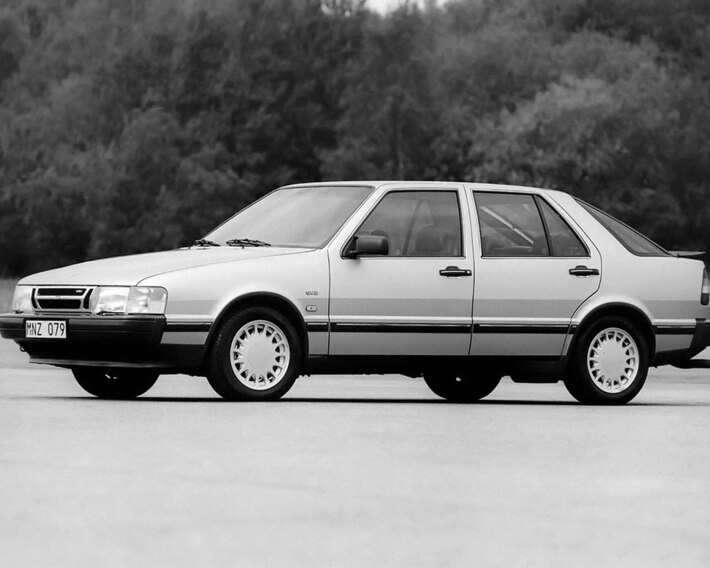
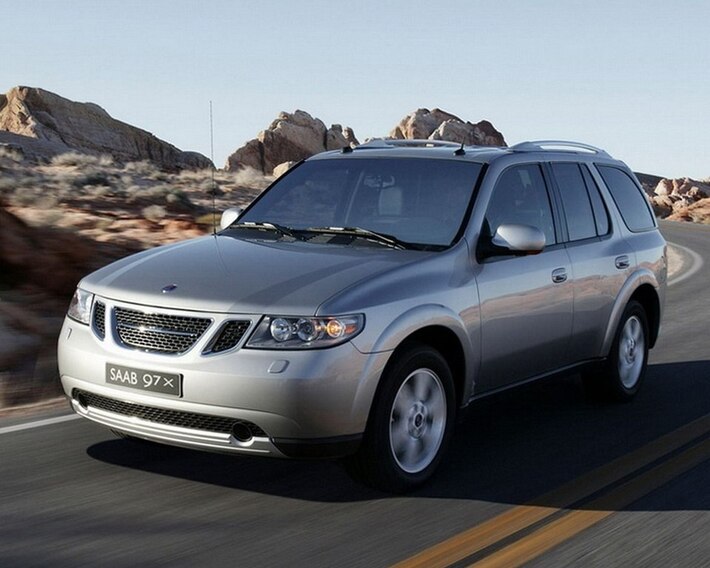
Model Lineup
Saab's range was defined by an obsessive attention to occupant safety, turbocharged power delivery that felt explosive and characterful, and an interior ergonomics philosophy inherited directly from fighter aircraft — where intuitive control placement under stress is a matter of survival.
Innovation & Technology
Saab's technical contributions to the automotive world were disproportionate to its production volumes. Beyond pioneering turbocharged road cars, Saab developed and introduced the side-impact airbag (1995) in its 9000 before any other manufacturer offered it. Night Panel — introduced in 1987 — turned off all but the most essential dashboard instrumentation to reduce driver distraction at night, a precursor to modern attention-management systems.
The ignition lock between the front seats — a Saab innovation since 1970 — was deliberately designed to prevent drivers from accidentally leaving the car in gear. The heated front seat ventilation system was introduced by Saab before any competitor. And Direct Ignition (1998) — replacing the distributor with individual ignition coils for each cylinder — became standard automotive practice within a decade.
- Turbocharged road cars (1978) — Saab brought turbocharging to everyday drivers, changing automotive performance forever
- Side-impact airbag (1995) — Saab introduced side curtain airbags before any other production car manufacturer
- Night Panel dashboard (1987) — minimised driver distraction at night by suppressing non-essential instrument lighting
- Direct Ignition (1998) — individual cylinder ignition coils replacing the distributor, now universal practice
- Centre-console ignition lock — positioned to prevent accidental gear engagement and improve safety
- Aero aerodynamics — aircraft-heritage body design for real-world fuel efficiency ahead of rivals
In Azerbaijan
Saab vehicles hold a special place among Azerbaijani collectors and enthusiasts who appreciate the brand's engineering uniqueness and safety heritage. The 9-3 saloon and SportCombi estate in particular remain popular used vehicles valued for their turbocharged performance and the distinctive character that no modern equivalent fully replicates.
As production ended over a decade ago, Saabs in Azerbaijan are increasingly collector's pieces — bought by enthusiasts who appreciate what makes them different and want to preserve a piece of automotive history. Genuine spare parts availability has improved through specialist Saab parts networks, and the brand's fierce cult following ensures knowledge and expertise remain accessible for owners.
Why Choose?
- Turbocharged character: Saab's turbocharged engines offer a distinctive power delivery — the 'turbo whoosh' is a unique driving experience that modern cars have sanitised away.
- Safety innovation legacy: Saab pioneered safety features now taken for granted — side airbags, reinforced roof pillars, and crumple zone engineering ahead of competitors.
- Aerospace DNA: The cockpit-inspired interiors, with ergonomically placed controls optimised for eyes-forward driving, reflect genuine aircraft engineering discipline.
- Collector value: Well-maintained Saabs are appreciating — the 9-3 Viggen and early 9-5 Aero are increasingly sought by collectors who missed them first time around.
- Build quality: Saab's Trollhättan-built cars were assembled with Swedish manufacturing thoroughness — surviving examples demonstrate genuine long-term durability.
- Individuality: A Saab stands apart from any contemporary vehicle — an expression of engineering conviction that has nothing in common with the mainstream.
BakuWheels uses cookies to improve your experience, analyse site traffic, and personalise content. By clicking Accept All, you consent to our use of cookies. Learn more in our Cookie Policy.