

Venturi
Venturi Automobiles is one of France's most distinctive sports car manufacturers — born in the 1980s as a creator of elegant mid-engine GT coupes, and reborn in the 2000s as a Monaco-based pioneer of electric performance. The brand's journey from turbo GT classics to solar-powered polar expedition vehicles is one of the most unusual transformation stories in automotive history.
Origins & Heritage
Venturi Automobiles was founded in 1984 by Claude Poiraud and Gérard Godfroy in Saint-Malo, France. The company's original mission was to create a distinctly French alternative to the mid-engine GT coupes then dominating the European sports car market — a space then occupied by Ferrari, Lotus, and the newly arrived Japanese performance manufacturers. Venturi's approach was to combine Italian-influenced styling with French engineering pragmatism, producing cars that were visually elegant without the excessive temperament of their Italian rivals.
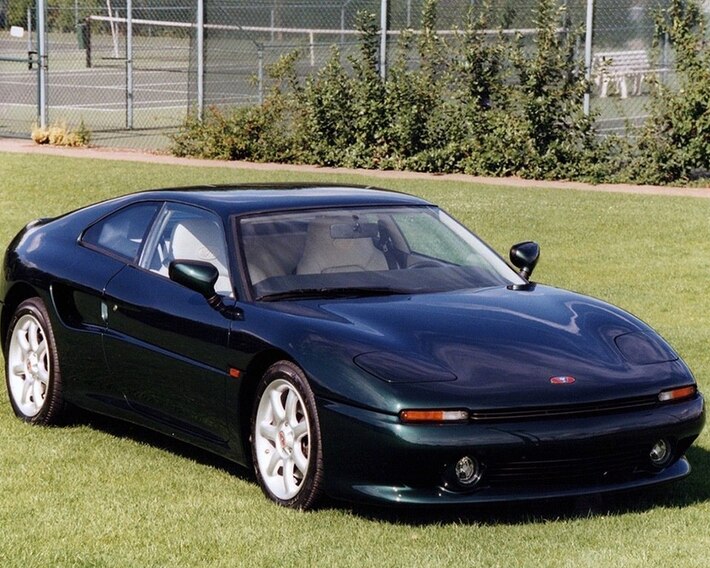
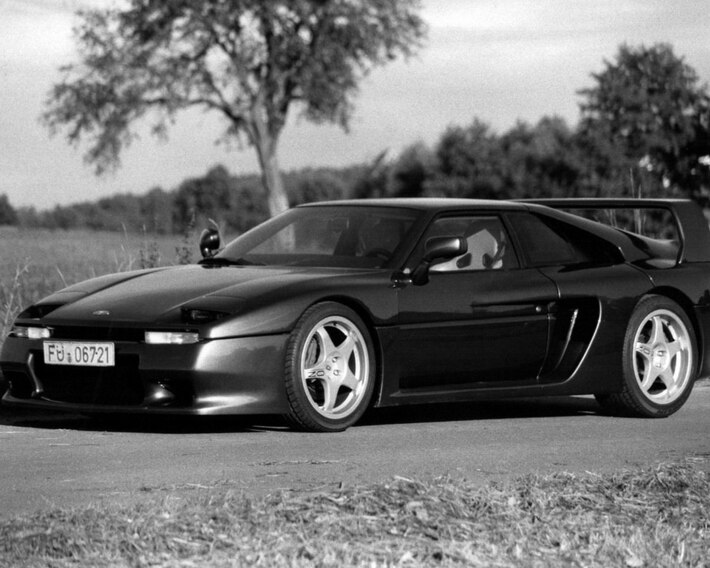
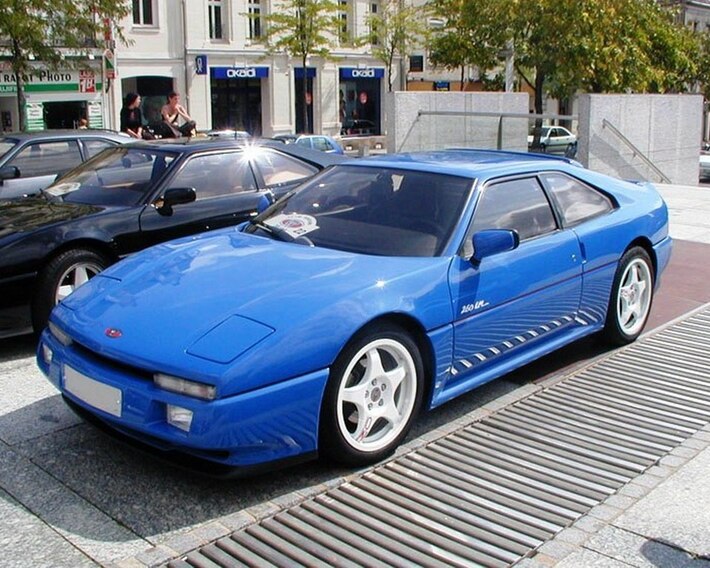
The Venturi Atlantique, launched in 1991 and developed through the 1990s, became the brand's defining model — a sleek mid-engine turbo GT coupe with a Peugeot-sourced PRV V6 engine producing 260–400 horsepower depending on specification. The Atlantique received genuine international recognition, winning admirers across Europe for its balance of style, performance, and relative reliability compared to the Italian exotica of the era. The 400 GT (later 400 GT Competition) represented the pinnacle of the original Venturi GT lineage, with 400 hp and competition-derived aerodynamics.
Venturi's original ownership went through financial difficulties in the late 1990s. In 2000, the company was acquired by Gildo Pallanca Pastor, a Monaco-based entrepreneur with both the capital and the vision to reimagine the brand. Under Pastor's ownership, Venturi underwent a complete philosophical transformation — moving away from conventional sports car production and towards electric mobility research and record-breaking. The Venturi Fetish (2004), one of the world's first electric sports car concepts, announced this new direction dramatically.
Key Milestones
Iconic Models in Pictures
Venturi's visual identity spans two distinct eras: the restrained, elegant French GT coupes of the 1980s and 1990s, and the experimental electric concepts and record-breakers of the 2000s and 2010s.
Model Lineup
Venturi's model history divides cleanly into two chapters — the original French GT era and the electric pioneer era — each representing a complete and coherent automotive philosophy.
Technology & Engineering
Venturi's engineering divides sharply between the analogue and electric eras. Original Venturi GTs used the Peugeot-Renault-Volvo (PRV) V6 engine in turbocharged form — a French V6 with a complicated reputation that Venturi's engineers worked extensively to make reliable in the high-stress GT application. The modern Venturi operation focuses on electric powertrain research, developing high-density battery systems, electric motor control software, and thermal management systems capable of operating in extreme conditions from the Bonneville Salt Flats to the Antarctic plateau.
- Peugeot PRV V6 turbocharged to 260–400 hp in original GT models — French V6 with competition-proven tuning by Venturi's engineers
- Mid-engine rear-wheel drive layout in all original GT models, providing ideal weight distribution and driving dynamics
- Modern Venturi electric systems: high-density battery packs, custom electric motor management, extreme-temperature operation capability
- Bonneville Salt Flats electric land speed record development — testing electric powertrains at the limits of speed and endurance
- Antarctic-grade thermal management engineering — electric systems certified for operation in -40°C conditions, exceeding any standard automotive specification
Venturi in Azerbaijan
Original Venturi GT cars of the 1980s and 1990s are exceptionally rare in Azerbaijan and the broader CIS market — French-built in small numbers during a period when Western European sports cars rarely reached the Soviet and post-Soviet markets. Those that do occasionally appear in the collector segment are typically European-history cars brought in by enthusiasts. For Azerbaijani collectors interested in rare European GT history, a Venturi Atlantique or 400 GT represents a genuine collector's piece: a French sports car with genuine racing heritage that remains almost unknown outside specialist circles.
Venturi's modern electric vehicle work, while not directly relevant to the Azerbaijani market, reflects a broader global shift toward electric mobility that is increasingly relevant to Azerbaijani automotive buyers as the local new-energy vehicle market develops. The brand's history demonstrates that electric performance cars have been technically feasible since the mid-2000s — a perspective useful for understanding the evolution from experimental concepts to the mainstream EVs arriving in Azerbaijan today.
Why Venturi Matters
- Rare French GT heritage: Venturi GT coupes are among the most collectible French sports cars of the 1990s — rare, elegant, and increasingly appreciated by European classic car collectors.
- Electric vehicle pioneer: Venturi's 2004 Fetish concept and subsequent land speed record work established the brand as one of the most credible early electric vehicle technology developers.
- Extreme rarity: Venturi produced only a few hundred GT cars across its 1984–2000 production era — making surviving examples genuine automotive rarities with strong collector interest.
- Authentic racing DNA: The 400 GT Competition participated in real motorsport events, giving the brand genuine competition heritage rather than the superficial racing associations common among small GT manufacturers.
- Cultural crossroads: Monaco-based and French-engineered, Venturi sits at the intersection of two of Europe's most prestigious automotive identities — an unusual combination that gives the brand a distinctive collector appeal.
BakuWheels uses cookies to improve your experience, analyse site traffic, and personalise content. By clicking Accept All, you consent to our use of cookies. Learn more in our Cookie Policy.