

Volvo
Volvo Cars has saved more lives than any other automotive brand in history — not through marketing, but through decades of real-world safety research, mandatory seat belt legislation lobbying, and a genuine corporate belief that the purpose of a car is to protect the people inside it.
Origins & Heritage
Volvo was founded on 14 April 1927 in Gothenburg, Sweden — a city shaped by the North Sea's harsh maritime climate and a culture that prioritises function over ostentation. The company name, derived from the Latin 'volvere' (to roll), was originally used for a ball-bearing subsidiary of SKF. When engineers Assar Gabrielsson and Gustaf Larson convinced SKF to back their vision of a Swedish-built car rugged enough for Scandinavian conditions, Volvo Cars was born.
From the very first model — the open-top ÖV4 of 1927, known affectionately as 'Jakob' — Volvo prioritised structural integrity and durability over lightness or performance. The cold Swedish winters, unpaved rural roads, and unforgiving Nordic terrain demanded cars that simply would not fail. This engineering culture of overbuilding for reliability gradually evolved into the company's defining modern mission: safety.
The pivotal moment in Volvo's history came in 1959 when engineer Nils Bohlin invented the three-point seat belt. Rather than patenting the invention exclusively — which would have generated enormous licence revenue — Volvo shared the design freely with every automaker in the world. It is estimated that the three-point belt has saved over one million lives globally. No single automotive innovation has preserved more human life.
Key Milestones
Iconic Models in Pictures
The XC90, V60, and pioneering safety innovations define Volvo's century of Scandinavian automotive excellence — where safety meets refined design.
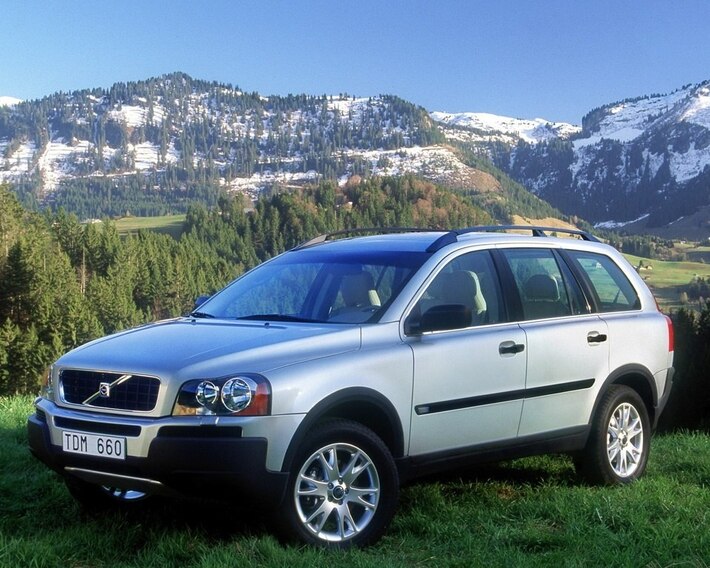
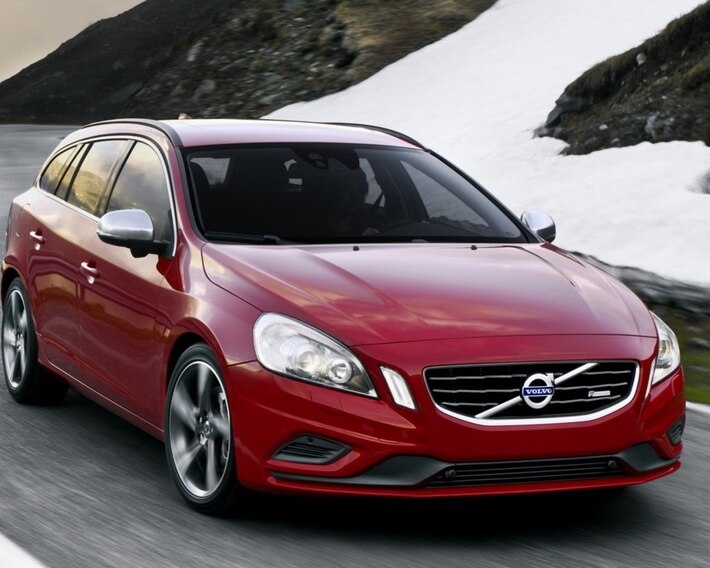
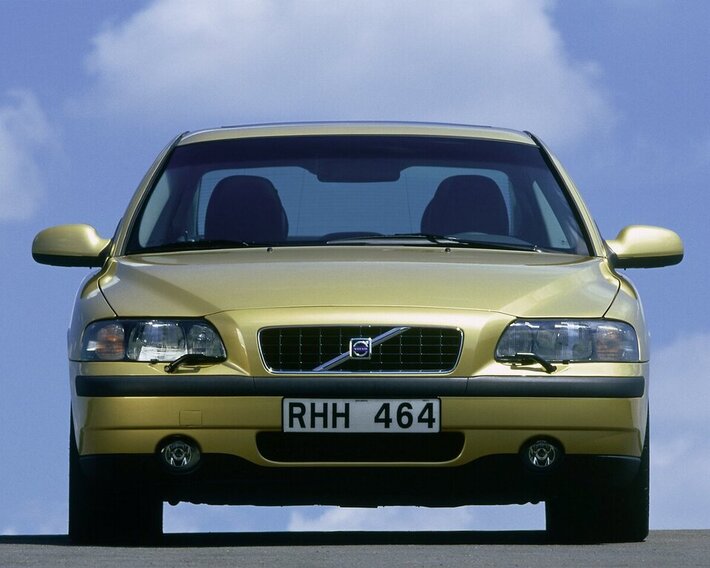
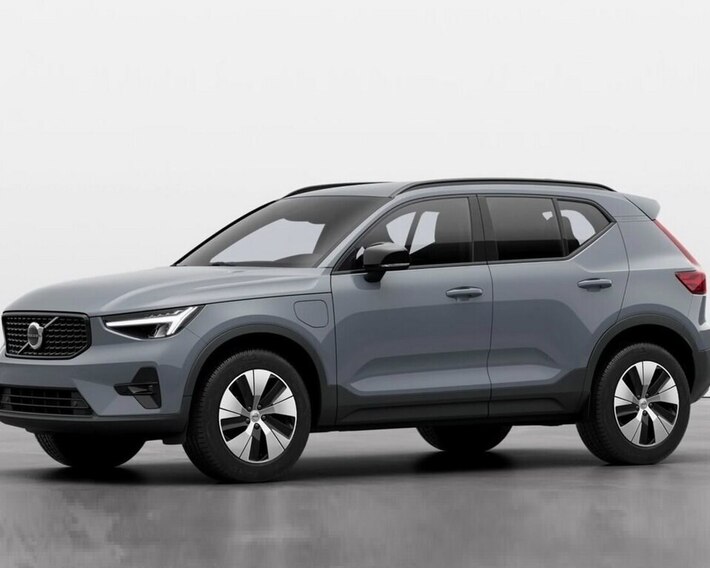
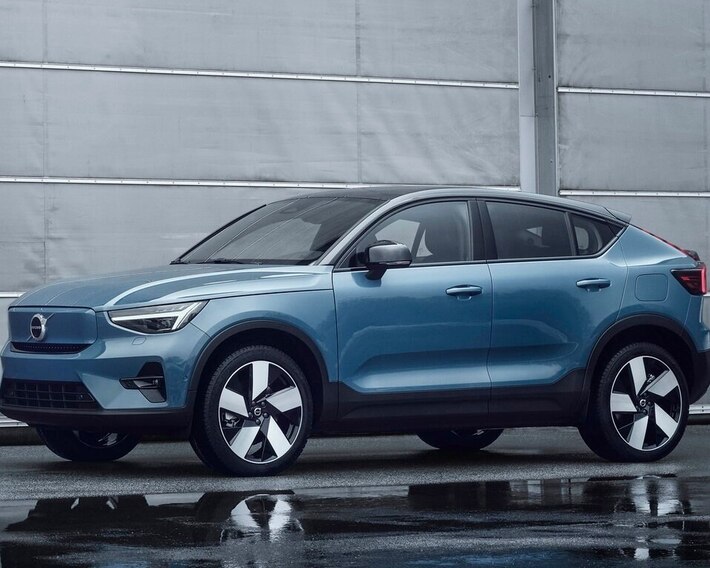
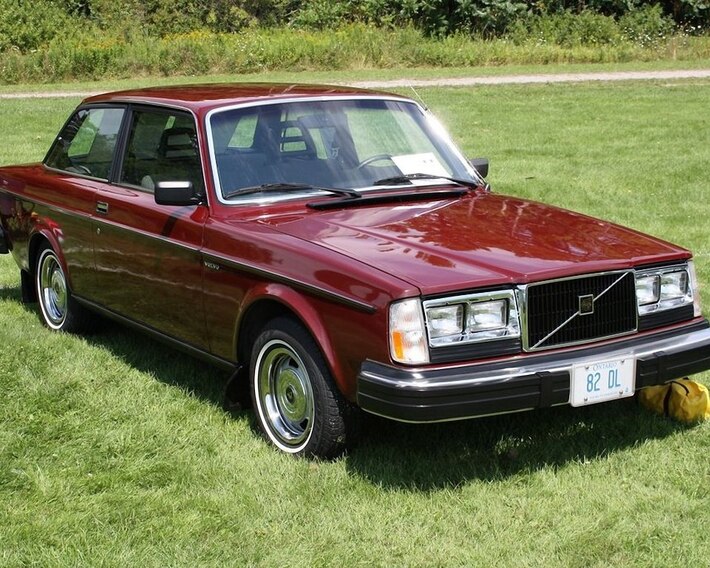
Iconic Model Lineup
Volvo's current lineup is built on the Scalable Product Architecture (SPA) and Compact Modular Architecture (CMA) platforms, engineered from the ground up as either pure electric or plug-in hybrid capable. The brand's design language blends Scandinavian minimalism with Volvo's signature Thor's Hammer LED headlights for an instantly recognisable face.
Safety Engineering Legacy
Volvo's safety philosophy is backed by one of the automotive industry's most unusual corporate commitments: by 2020, Volvo stated that no one should be killed or seriously injured in a new Volvo car. This Vision 2020 initiative drove the development of City Safety autonomous emergency braking, Run-off Road Mitigation, Oncoming Lane Mitigation, and the world's first standard-fit speed limiter at 180 km/h on all models from 2020.
- Three-point seat belt inventor (1959) — shared freely with all manufacturers worldwide
- City Safety AEB — world's first production autonomous emergency braking system (2008)
- 180 km/h speed limit standard on all new Volvos — Vision 2020 safety commitment
- Run-off Road protection — inflatable curtain airbags, retractable seat belts, and sill reinforcement for ditch crashes
- Pilot Assist — hands-on semi-autonomous highway driving with lane-centring and adaptive cruise
Volvo in Azerbaijan
Volvo has a loyal and growing customer base in Azerbaijan, where the brand's safety reputation and Scandinavian aesthetic appeal strongly to family-oriented premium buyers. The XC60 is the most popular model in the country — its combination of mid-size SUV practicality, plug-in hybrid efficiency option, and Volvo's comprehensive safety suite addresses the priorities of Azerbaijani family buyers who do not wish to compromise between quality and safety.
The XC90 is similarly appreciated among executives and families requiring three-row seating with luxury appointments. Volvo's Bowers & Wilkins audio system, ventilated massaging seats, and Air Motion interior design with real wood and wool textile options represent a distinct Scandinavian luxury sensibility that differentiates the brand from German competitors in the Azerbaijan market.
Why Choose Volvo?
- Unmatched safety legacy: Three-point belt inventor, City Safety pioneer, Vision 2020 commitment — safety is Volvo's corporate purpose, not a marketing claim.
- Scandinavian design: Thor's Hammer headlights, minimalist interiors with genuine wood and wool, Bowers & Wilkins audio — a distinct aesthetic unavailable elsewhere.
- Electrification leadership: PHEV available across the entire range today; fully electric lineup expanding rapidly toward 2030 EV-only commitment.
- World Car of the Year: XC90 (2016) and XC60 (2018) — consecutive World Car of the Year wins validate engineering and design excellence.
- Reliability and longevity: Volvo vehicles are renowned for exceptional longevity — many 240-series examples from the 1970s and 80s remain in daily use.
- Polestar performance: Volvo's Polestar Engineered variants offer 415 hp and sport-tuned dynamics for drivers who want both safety and excitement.
BakuWheels uses cookies to improve your experience, analyse site traffic, and personalise content. By clicking Accept All, you consent to our use of cookies. Learn more in our Cookie Policy.