

Zastava
The People's Car of the Balkans.
Origins & Heritage
Zastava Automobiles was Yugoslavia's most important car manufacturer — a company that emerged from an arms factory in Kragujevac, Serbia, to become the primary supplier of affordable passenger cars to tens of millions of people across Yugoslavia and Eastern Europe for more than half a century. The Zastava factory's roots trace back to 1853, when it was established as a state arms manufacturing facility; automobile production began in 1953 under an agreement with Fiat of Italy, giving Yugoslavia access to Western European automotive technology at a time when most of Eastern Europe remained dependent on Soviet-derived designs.
The partnership with Fiat proved transformative — Zastava produced licensed versions of Fiat models including the Fiat 600, Fiat 128, and Fiat 127, adapting them for Yugoslav market conditions while gradually developing in-house engineering capability. The resulting vehicles carried Zastava badges but were mechanically credible, affordable, and well-matched to the needs of Yugoslav families building prosperity in the post-war economic expansion. As Yugoslavia pursued its independent path between the Eastern and Western blocs, Zastava's cars became a symbol of national industrial achievement and everyday mobility for ordinary citizens.
The brand achieved its greatest international recognition through the Zastava Koral, exported to Western markets under the Yugo name from the early 1980s. The Yugo became famous — or notorious — for its remarkably low price in the United States market, briefly occupying the position of the cheapest new car available in America. Despite its challenging reputation in export markets, the Koral remained a genuinely practical and affordable car in its home region, where it continued production until 2008 — one of the longest production runs of any European passenger car design.
Key Milestones
Iconic Models in Pictures
Zastava's vehicles ranged from the beloved Fiat 600-derived 750 to the internationally exported Yugo (Koral) — a diverse range united by affordability, practicality, and the distinctive character of Yugoslav industrial production.
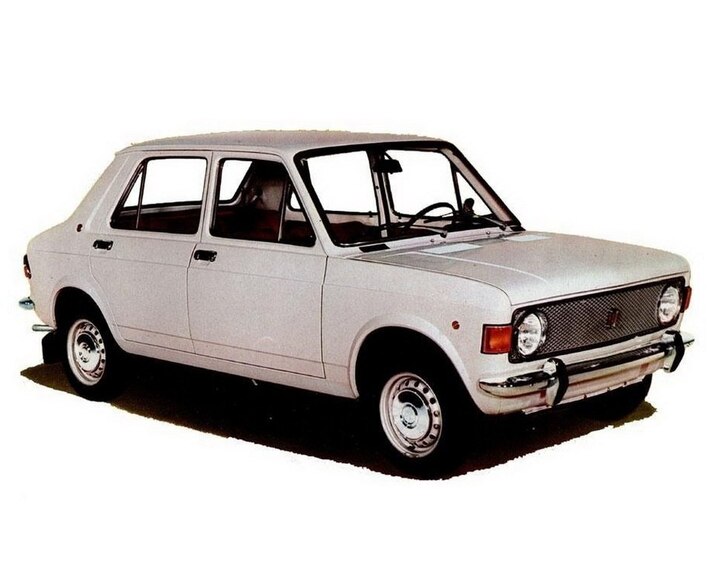
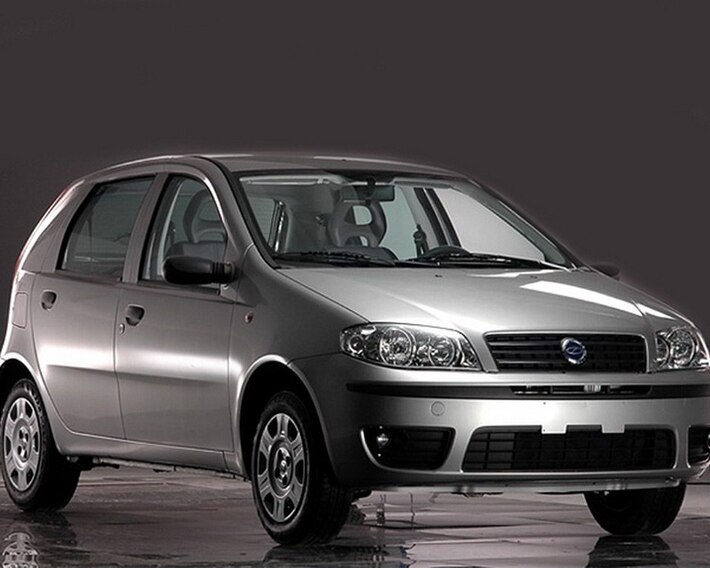
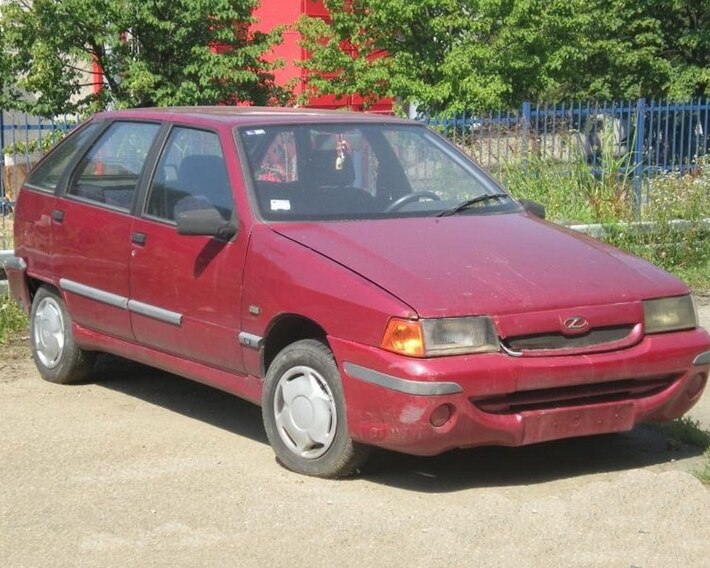
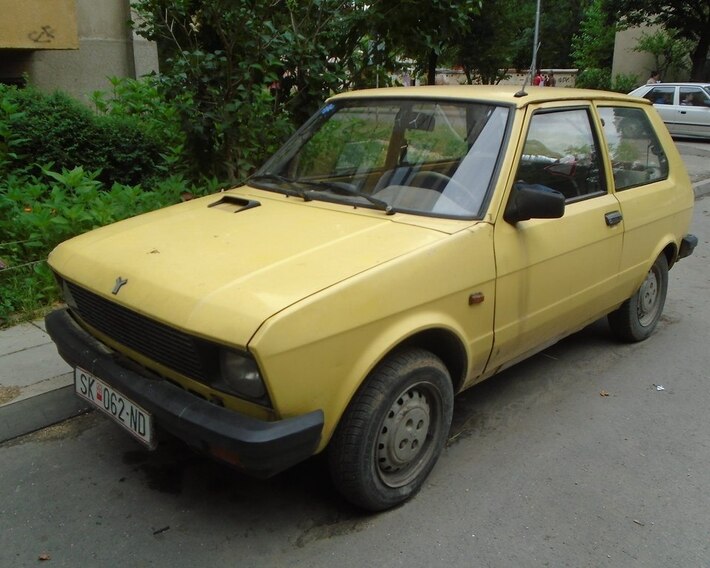
Model Lineup
Zastava's most significant passenger cars spanned decades of Yugoslav motoring history — from the charming rear-engined 750 to the front-wheel-drive Koral (Yugo) that briefly brought Yugoslav manufacturing to global attention.
Engineering & Technology
Zastava's engineering foundation was built on the Fiat licensing relationship that gave the company access to Western European automotive technology throughout its production history. While Zastava's cars were not engineering pioneers, the Fiat-derived platforms provided a credible and well-proven technical basis — front-wheel drive, overhead-cam engines, and MacPherson strut front suspension — that placed them ahead of many competing Eastern European designs.
- Fiat-derived front-wheel-drive platforms — the Zastava 101, Koral (Yugo), and Florida all used front-wheel-drive architecture from Fiat's 127/128 family, providing modern drivetrain layouts that many Eastern European competitors lacked through the 1970s and 1980s
- Overhead-cam four-cylinder engines — Zastava's petrol engines were Fiat-derived overhead-cam units providing adequate performance for the vehicles' urban and light-duty roles, with straightforward servicing requirements accessible to independent mechanics throughout the CIS and Eastern European regions
- Rear-engined layout in the 750 series — the classic Fiat 600-derived rear-engine, rear-wheel-drive configuration of the beloved 750 (Fića) gave it excellent traction in poor conditions and a simple, robust drivetrain that proved highly durable under the maintenance conditions typical of 1960s Yugoslav family ownership
- Independent front suspension — MacPherson strut front suspension on the Koral-derived models provided a competent ride and handling balance for a basic economy car, combining reasonable ride quality with adequate handling predictability for typical urban driving conditions
- Simplicity as a feature — Zastava's vehicles were engineered for straightforward repair by village mechanics with basic tools, using accessible components, conventional construction methods, and conservative engineering choices that prioritised long-term maintainability over short-term performance advantage
Zastava in Azerbaijan
Zastava vehicles reached the Soviet republics and post-Soviet markets including Azerbaijan through various import channels during the Cold War era — the Koral (Yugo) and earlier 101 models were available through Balkanka and other Eastern Bloc trade arrangements, providing an affordable Western-designed alternative to Soviet-manufactured vehicles. Some examples of both the 750 (Fića) and Koral remain in circulation in Azerbaijan today, maintained by enthusiasts and practical owners who appreciate their simplicity.
For Azerbaijani buyers and enthusiasts interested in Zastava vehicles, these represent genuinely affordable classic cars with the significant advantage of mechanical simplicity. Fiat-era spare parts compatibility means that many components are shared with Fiat vehicles and can be sourced through European parts suppliers; local mechanics familiar with basic carburetor engines and simple bodywork can maintain most Zastava models without specialist knowledge. The Koral in particular represents one of the most accessible routes to European classic car ownership available in the Azerbaijani market.
Why Consider a Zastava?
- Extreme mechanical simplicity: Zastava's Fiat-derived engines, carbureted fuel systems, and simple bodywork construction make these cars among the easiest European classics to maintain — workshop knowledge of basic carburetor engines and conventional bodywork is sufficient for most maintenance and repair tasks.
- Fiat parts compatibility: The Koral (Yugo) and 101's Fiat 127/128-derived components share significant parts commonality with Fiat vehicles, making it possible to source many mechanical components through Fiat parts channels in Europe and Turkey, improving long-term ownership viability in the Azerbaijani market.
- Affordable classic European car ownership: Zastava vehicles represent one of the most accessible entry points to European classic car collecting — acquisition prices are low, running costs are minimal for basic examples, and the historical and cultural interest is genuine for collectors of Eastern European automotive history.
- Historical and cultural significance: The Zastava Koral (Yugo) occupies a unique place in automotive history as a symbol of Yugoslav industrial ambition and Cold War-era economics — a vehicle whose story encompasses geopolitics, industrial triumph, and export market challenges that make it fascinating for automotive historians and enthusiasts.
- Practical urban runabout at minimal cost: For buyers seeking an extremely economical vehicle for short urban journeys with minimal running costs, the Koral's proven simplicity, light weight, and low fuel consumption continue to make practical sense — the same qualities that made it attractive in Yugoslavia remain relevant for budget-conscious urban transport.
BakuWheels uses cookies to improve your experience, analyse site traffic, and personalise content. By clicking Accept All, you consent to our use of cookies. Learn more in our Cookie Policy.