
GAZ — Gorky Automobile Plant
GAZ — Gorkovsky Avtomobilny Zavod — is Russia's most prolific commercial vehicle manufacturer and one of the oldest automotive brands in the former Soviet space. Founded in 1932 with Ford Motor Company assistance, GAZ has produced over 17 million vehicles including the legendary Volga saloon and the Gazelle light van that became the backbone of Russian small business logistics for three decades.
Origins & Heritage
The Gorky Automobile Plant was established in 1932 in the city of Gorky (now Nizhny Novgorod) under Soviet industrialisation, with direct technical assistance from Ford Motor Company. The plant's first vehicle, the GAZ-AA truck, was based on the Ford Model AA — a practical beginning that established GAZ's enduring focus on functional, durable vehicles for working purposes.
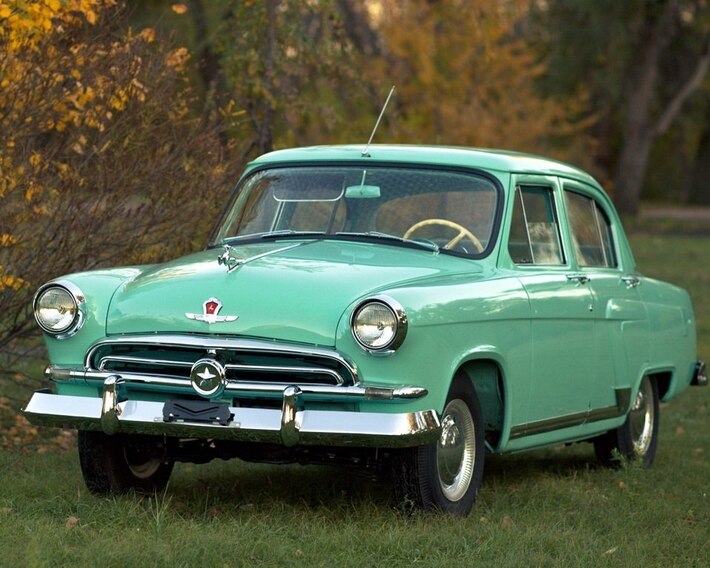
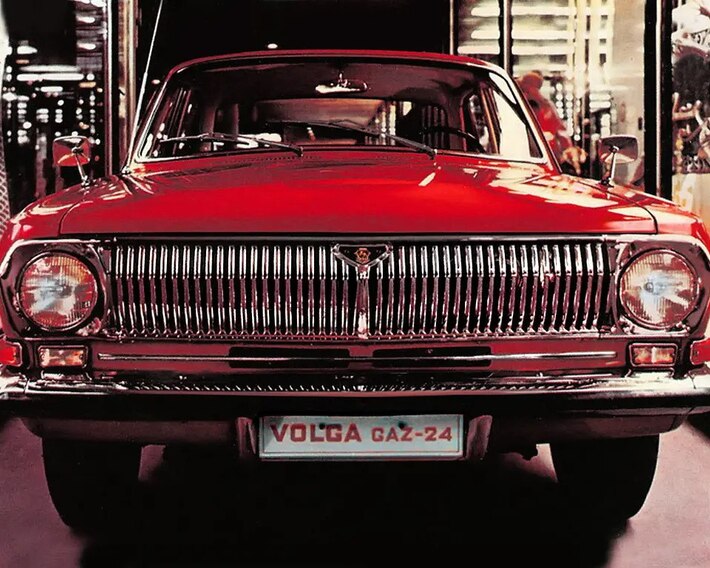
In the postwar era, GAZ expanded its range dramatically with the Pobeda saloon (1946), followed by the iconic Volga — a large, imposing saloon that served Soviet officialdom, became synonymous with Moscow taxis, and was exported across the Communist bloc and beyond. The Volga nameplate represented Soviet automotive aspiration for nearly six decades.
GAZ's transformation for the post-Soviet market came with the Gazelle in 1994 — a compact, affordable light commercial vehicle that filled the vacuum left by the command economy's collapse and became the defining small van of Russia's new market economy. The Gazelle and its successors remain Russia's best-selling commercial vehicles.
Key Milestones
Iconic Models in Pictures
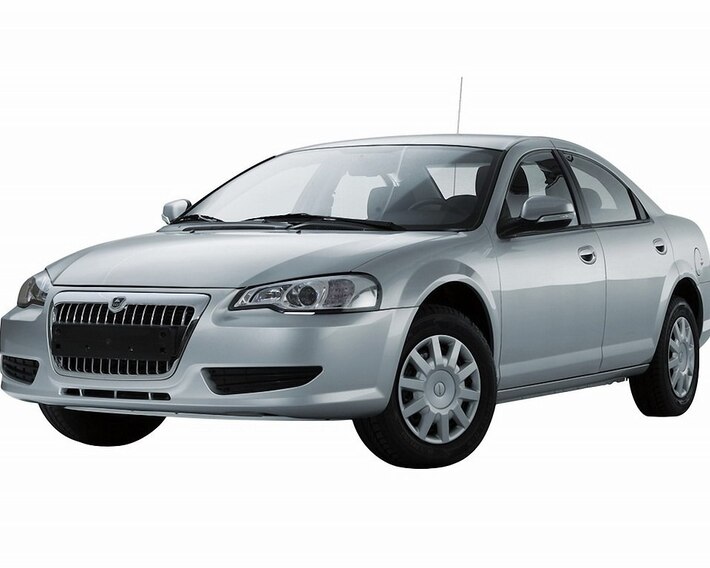
From the historic Volga to the ubiquitous Gazelle Next, GAZ vehicles have defined Russian automotive history — practical, durable workhorses built to endure the demands of Russia's vast geography and demanding climate.
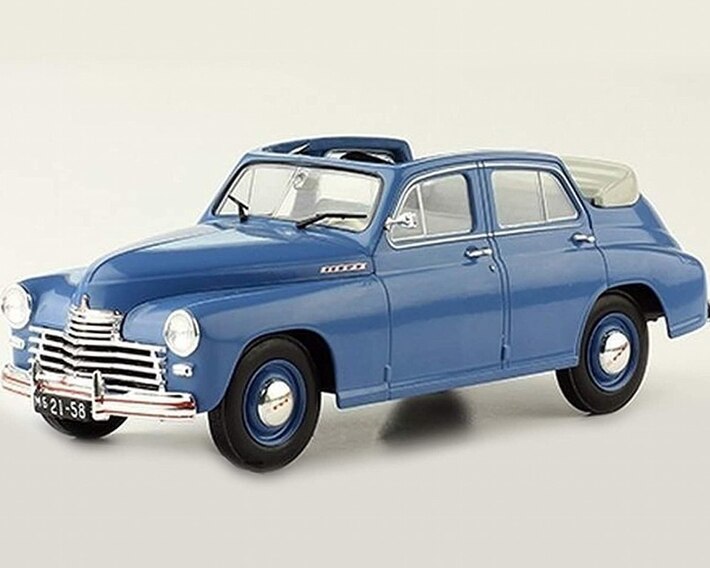
Product Range
GAZ focuses on commercial vehicles, light vans, and utility vehicles designed for the rigorous demands of Russian working conditions — durability, cold-weather reliability, and ease of maintenance are paramount.
Innovation & Technology
GAZ commercial vehicles are engineered for the specific demands of the Russian operating environment: extreme cold-weather performance, simplified field maintenance, and structural durability over unpaved roads and challenging terrain.
The Gazelle Next generation introduced European cab quality standards, improved ergonomics, and updated powertrains including CNG (compressed natural gas) variants that reduce operating costs for fleet operators.
- Pre-heater systems standard on all commercial models — engine and cab pre-heating for reliable cold-weather starts at extreme Russian winter temperatures
- Simplified mechanical systems — designed for field maintenance and repair without specialist workshop infrastructure
- CNG (compressed natural gas) powertrain options — significantly lower fuel costs for high-mileage commercial operators
- Galvanised body panels on current Gazelle Next — improved corrosion resistance for extended service life in harsh operating conditions
- EuroCAP-compliant safety on modern models — front and side airbags, ABS, and electronic stability control on current Gazelle Next range
GAZ in Azerbaijan
GAZ commercial vehicles have been widely used in Azerbaijan throughout the post-Soviet period, particularly the Gazelle which established itself as the standard tool for small traders, construction firms, and shuttle transport operators. The combination of accessible pricing, widespread parts availability, and familiarity among local mechanics made GAZ the practical commercial vehicle of choice for a generation of Azerbaijani small business owners.
While newer Korean and Chinese commercial vehicles have taken significant market share, GAZ vehicles remain active in Azerbaijan's working vehicle fleet. The Gazelle Next's improved quality and the Sobol 4×4's off-road capability continue to attract commercial buyers where price-to-capability ratio is the primary purchasing criterion.
Why Choose GAZ?
- Purpose-built for tough conditions: GAZ commercial vehicles are specifically engineered for the cold-weather extremes and rough-road demands that characterise Eurasian operating environments.
- Lowest total cost of ownership: Simple mechanicals, widespread parts availability, and low purchase price combine for the lowest total cost of commercial vehicle ownership in the segment.
- Proven Gazelle platform: Three decades of the Gazelle in real-world commercial service have refined the platform into a reliable, understood machine that mechanics throughout the CIS can service.
- CNG capability: Natural gas powertrain options dramatically reduce fuel costs for high-mileage commercial operations where fuel is a major cost driver.
- Sobol 4×4 off-road access: All-wheel-drive light commercial variants provide access to remote and unpaved locations that standard vans cannot reach.
BakuWheels uses cookies to improve your experience, analyse site traffic, and personalise content. By clicking Accept All, you consent to our use of cookies. Learn more in our Cookie Policy.