

Puma
Puma is Brazil's most celebrated sports car manufacturer — producing elegant fibreglass-bodied coupes and roadsters on Volkswagen Beetle and later DKW platforms that made sports car ownership accessible in South America.
Origins & History
Puma was founded in 1964 in São Paulo, Brazil, by Genaro Malzoni, a sugar cane entrepreneur who had a passion for sports cars. Malzoni initially developed fibreglass-bodied sports car bodies to be fitted over the DKW-Vemag platform — a two-stroke front-wheel-drive German car that was being assembled in Brazil under licence. The resulting cars combined European mechanical engineering with handsome Italian-influenced fibreglass coachwork to produce affordable sports cars suited to Brazilian conditions.
As DKW production ended in Brazil, Puma transitioned to Volkswagen Beetle mechanicals — a pragmatic choice that provided a far more widely available and easily serviced mechanical platform. The GTB and GT models on Volkswagen mechanicals became Puma's defining products, offering genuine sports car style and performance at a price accessible to middle-class Brazilian buyers. The Volkswagen platform's simplicity and abundant parts availability gave Puma owners confidence in long-term ownership.
Puma reached its peak in the 1970s and early 1980s, producing genuinely attractive and well-designed sports cars that earned respect in Brazilian motorsport. The company survived several ownership changes and economic crises that plagued the Brazilian automobile industry, but ultimately ceased production as international competition and economic conditions made small-volume sports car manufacture commercially unviable. Puma remains a beloved symbol of Brazilian automotive heritage.
Key Milestones
Notable Models
Puma's vehicle range centred on fibreglass-bodied sports coupes and roadsters — elegant, lightweight cars that brought sports car style and performance to the Brazilian market at accessible prices.
Engineering Philosophy
Puma's technical approach was shaped by the practical constraints of Brazilian manufacturing — using fibreglass bodies over accessible production car platforms to create sports cars that could be produced, sold, and maintained within the limitations of the Brazilian parts supply and service network.
- Fibreglass body construction — Puma's use of fibreglass coachwork over production car mechanicals allowed complex and attractive shapes to be produced at low volume without the expensive metal stamping tools that a steel-bodied car would require
- VW mechanical platform advantage — adopting the Volkswagen Beetle's floorpan gave Puma access to the most widely available and easily serviced mechanical platform in Brazil, ensuring that customers throughout the country could find workshops capable of maintaining their cars
- Weight reduction advantage — Puma's fibreglass bodies were significantly lighter than equivalent steel-bodied cars, giving the VW-engined models a performance advantage disproportionate to their modest engine output
- Brazilian motorsport participation — Puma's participation in Brazilian motorsport served as both product development laboratory and marketing platform, demonstrating the cars' capabilities to a motorsport-interested public
Puma in Azerbaijan
Puma vehicles are not present in Azerbaijan — the brand was exclusively distributed in Brazil and never exported to Europe or the former Soviet space. Any Puma appearing in Azerbaijan would be an extraordinary personal import from South America.
For Azerbaijani sports car enthusiasts, Puma represents an fascinating chapter of South American automotive creativity — demonstrating that inspired design and practical engineering could produce genuinely attractive sports cars in a developing economy, using the same mass-produced mechanical foundations that powered everyday transport.
Why Puma Matters
- Brazilian industrial creativity: Puma demonstrated that developing economies could produce original and attractive sports cars — not just assembled foreign designs — using locally available materials, technology, and production methods adapted to local conditions.
- Accessible sports car philosophy: By building on Volkswagen Beetle mechanicals, Puma made sports car ownership practical and affordable for Brazilian buyers, creating a sports car culture in a market where pure-bred European sports cars were financially inaccessible to most people.
- Fibreglass design mastery: Puma's fibreglass bodies showed how handcrafted construction methods could produce sports car shapes of genuine elegance — demonstrating that the Italian coachbuilding tradition of custom bodies over production mechanicals could be adapted to South American conditions.
- Automotive heritage pioneer: Puma remains Brazil's most celebrated sports car brand — a source of national automotive pride that demonstrated the country's engineering and design capability long before modern Brazilian automotive production established itself.
Iconic Models in Pictures
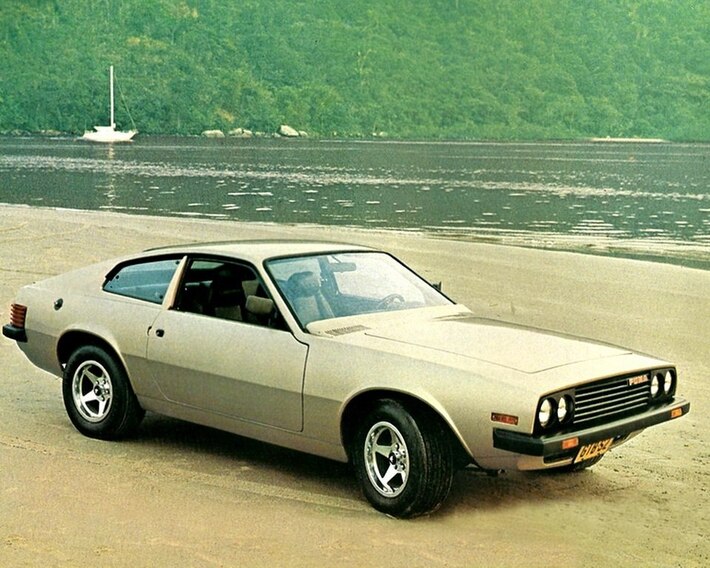
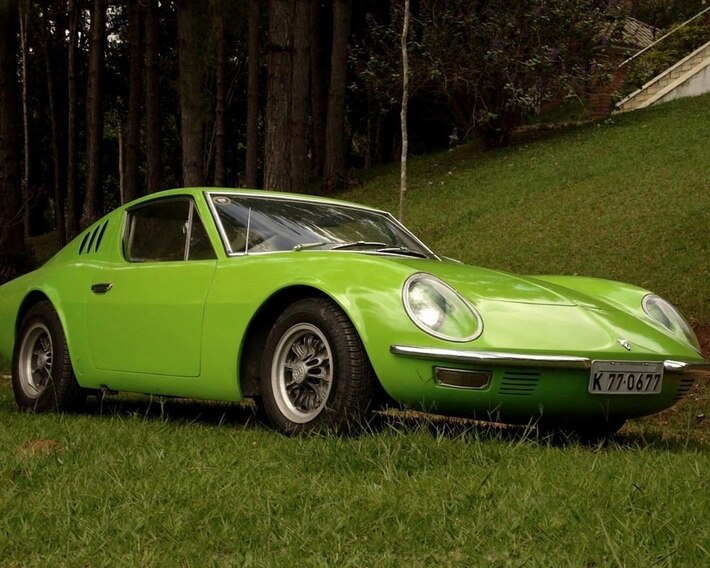
Puma vehicles — a visual selection of the iconic models produced by this manufacturer.
BakuWheels uses cookies to improve your experience, analyse site traffic, and personalise content. By clicking Accept All, you consent to our use of cookies. Learn more in our Cookie Policy.