
Ravon
Ravon emerged from Uzbekistan's remarkable automotive industry — a country that assembles more cars per capita than any other in the CIS. Built at the sprawling GM Uzbekistan plant in Asaka, Ravon economy cars became familiar across Central Asia, Russia, and Azerbaijan.
Origins & Heritage
Ravon's story is inseparable from the remarkable history of the Uzbek automobile industry. In 1992, GM and the Uzbekistan government established UzDaewooAuto in the city of Asaka in the Ferghana Valley — a joint venture that would grow into one of the CIS region's most productive car factories, assembling Daewoo and later Chevrolet models for a region hungry for affordable personal transport. The plant became one of the few in the former Soviet space to establish a functioning modern automotive manufacturing operation, complete with localised supply chains and a domestic dealer network.
The Ravon brand was created in 2015 by GM Uzbekistan specifically to serve export markets — particularly Russia, Kazakhstan, and Azerbaijan — where selling vehicles under the Daewoo or Chevrolet branding presented complications related to brand positioning and market history. The Ravon name was a fresh identity for essentially the same GM Uzbekistan-produced vehicles, allowing the company to market them without the legacy connotations of the Daewoo brand, which had mixed associations in some markets following the Korean conglomerate's bankruptcy in 1999.
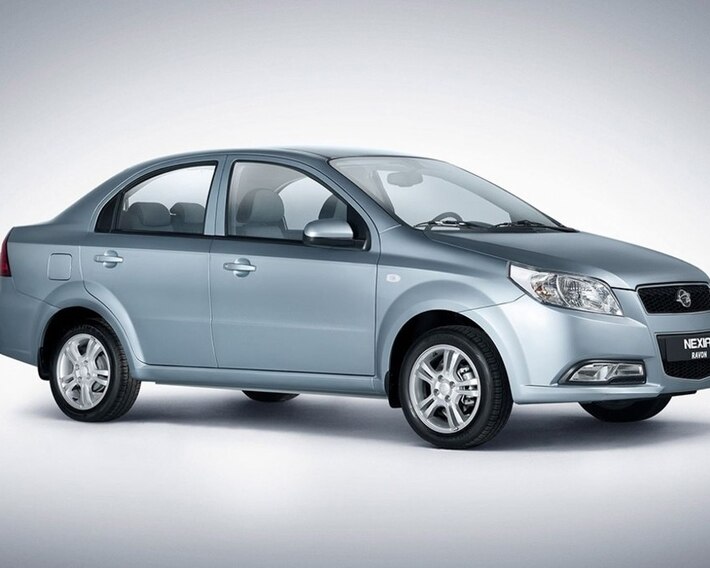
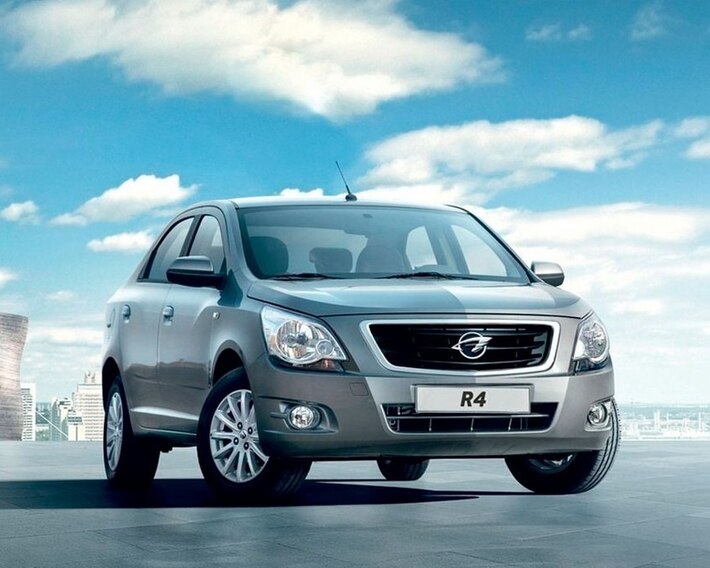
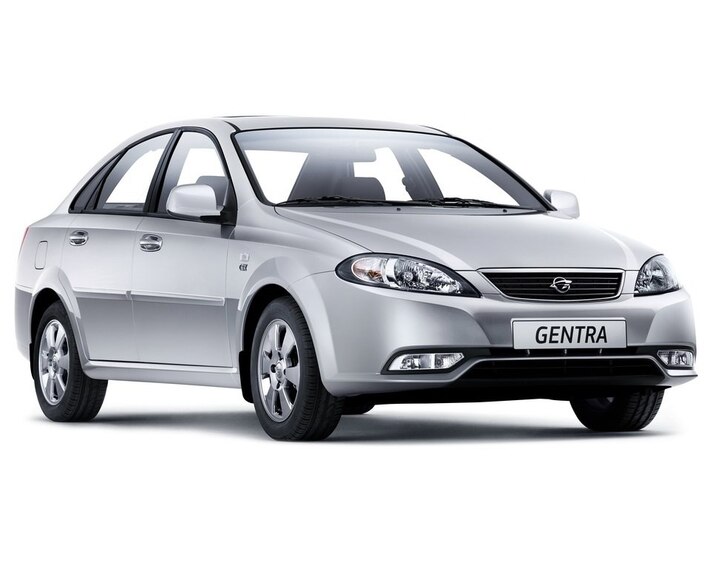
Ravon's lineup consisted of models directly derived from proven GM global platforms — the Ravon Nexia R3 was based on the Chevrolet Aveo (T250), the Ravon R4 on the Chevrolet Cruze, and the Ravon Gentra on the Chevrolet Lacetti. These were not new-generation vehicles, but they were well-understood, reliable, affordable, and backed by GM Uzbekistan's established production infrastructure. The brand was discontinued in Russia in 2019 when GM Uzbekistan refocused on its own domestic market under the Chevrolet brand, which continued operating at the Asaka plant.
Key Milestones
Models in Pictures
Ravon's three core models brought familiar Chevrolet-derived engineering to CIS buyers at price points that no rival could match — straightforward, reliable, and accessible.
Model Lineup
Ravon's three core models covered the budget sedan segment across CIS markets — each derived from proven GM global platforms and offered at prices significantly below comparable Japanese or Korean alternatives.
Technology & Heritage
Ravon vehicles used GM's global platform technology from the Chevrolet Aveo and Cruze families — cars that were well-proven across multiple continents and production sites before they reached Uzbek assembly lines. The GM Uzbekistan plant had developed a sophisticated localisation capability, sourcing components from Uzbek suppliers for items including metal stampings, wire harnesses, seats, and interior plastics — reducing import content and building a domestic automotive supply chain that continues to operate under the Chevrolet brand today.
The Ravon lineup's simplicity was a feature as much as a limitation — straightforward petrol engines, conventional gearboxes, and minimal electronic complexity meant that Ravon vehicles could be serviced by any competent mechanic with basic equipment. This repairability advantage was particularly valuable in markets with limited specialist dealer networks, where independent garages outnumber authorised service centres by a substantial margin.
- GM global platforms — Aveo and Cruze engineering brought to CIS buyers at accessible pricing
- High local content — significant Uzbek-sourced components building a domestic automotive supply chain
- Simple serviceability — conventional mechanical systems maintainable by any garage in the CIS region
- CNG-ready options — some variants compatible with CNG conversion kits popular in Uzbekistan and CIS markets
- Extensive CIS dealer network — Ravon vehicles sold through broad network of dealers across Russia, Kazakhstan, and Central Asia
Ravon in Azerbaijan & the Caucasus
Ravon vehicles were actively sold in Azerbaijan during the brand's active period (2015–2019), offering Azerbaijani buyers access to new cars at prices competitive with used imports from European markets. The brand's geographic origin in Uzbekistan — a neighbouring country with which Azerbaijan has strong trade and cultural ties through the Turkic world — gave Ravon a certain regional familiarity that fully foreign brands lacked.
The used Ravon market in Azerbaijan remains active — particularly for the Nexia R3 and Gentra, which are popular choices for buyers seeking reliable, low-cost personal transport with a full service history and known provenance. Given the vehicles' derivation from proven GM platforms and the wide availability of Chevrolet/Daewoo-compatible spare parts across the CIS, maintaining a Ravon in Azerbaijan is straightforward and inexpensive — key advantages in a market where value and reliability are primary purchase criteria.
Why Choose Ravon?
- Lowest acquisition cost: Ravon offered new car warranties and GM-platform engineering at price points that no competitor could match — outstanding value for budget-conscious buyers.
- Proven GM mechanicals: Chevrolet Aveo and Cruze platforms with global engineering pedigree — not an unknown local design, but a tested architecture with international support.
- Ubiquitous parts: Chevrolet/Daewoo-compatible spare parts available everywhere in the CIS — no supply chain anxiety for maintenance and repair.
- CIS-appropriate design: Cars designed and built for Central Asian and CIS conditions — simple enough to be serviced anywhere, durable enough for the road conditions encountered.
- Uzbek automotive pride: Ravon represents Uzbekistan's extraordinary achievement in building a viable automotive manufacturing industry — supporting regional industrial development through car purchase.
BakuWheels uses cookies to improve your experience, analyse site traffic, and personalise content. By clicking Accept All, you consent to our use of cookies. Learn more in our Cookie Policy.