
Dacia
Dacia is Romania's national car brand and one of Europe's most remarkable automotive success stories — a manufacturer that has turned budget pricing into a competitive advantage, consistently delivering honest, capable cars at prices that undercut all rivals. Since Renault's acquisition in 1999, Dacia has become one of the fastest-growing brands in European automotive history.
Origins & Heritage
Dacia — named after the ancient Dacian kingdom that occupied modern-day Romania — was established in 1966 in Mioveni, near Pitesti, as the communist Romanian government's state automobile manufacturer. Like many Eastern European automotive ventures of the era, Dacia's founding depended on technology licensing from a Western partner: an agreement with Renault in 1966 provided access to the Renault 8 platform, which formed the basis of Dacia's first vehicle, the Dacia 1100.
During the communist era, Dacia vehicles became ubiquitous across Romania — the Dacia 1300 saloon, based on the Renault 12, became the car that most Romanians experienced as their first owned vehicle, and the Dacia 1304 pick-up provided the backbone of Romania's light commercial transport. Production continued relatively unchanged through the 1980s and into the 1990s, with Dacia vehicles becoming increasingly outdated as Western automotive development accelerated.
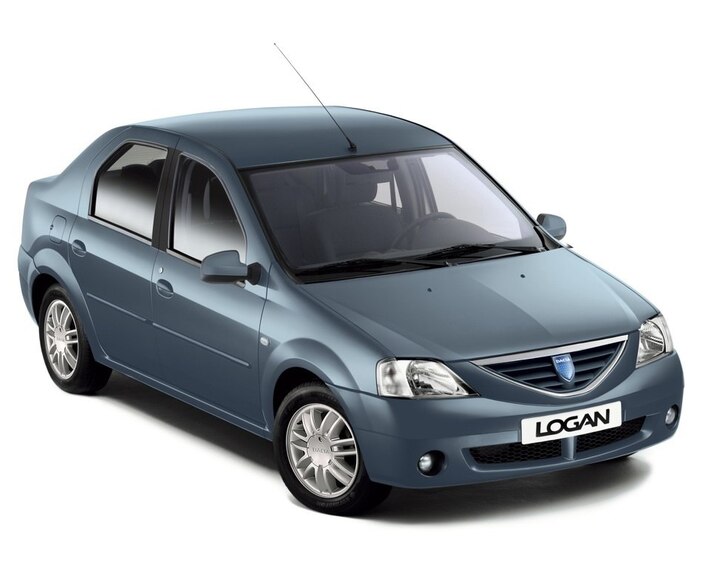
Renault's acquisition of Dacia in 1999 for approximately €50 million transformed the brand's trajectory entirely. Renault recognised in Dacia a low-cost manufacturing base, an established Romanian dealer network, and the possibility of producing genuinely affordable modern vehicles for price-sensitive markets worldwide. The resulting Logan, launched in 2004 with a base price of €5,000 in Romania, proved that buyers in both emerging and mature markets would choose honest value over superficial prestige — a lesson that reverberated through the global automotive industry.
Key Milestones
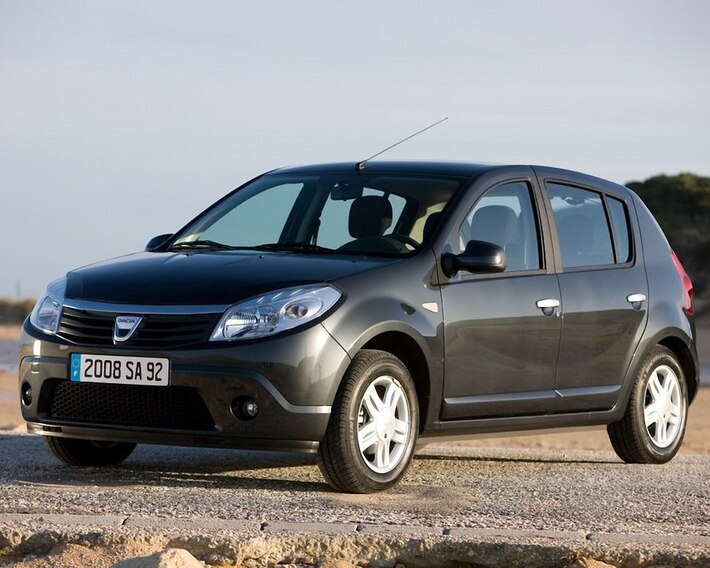
Iconic Models in Pictures
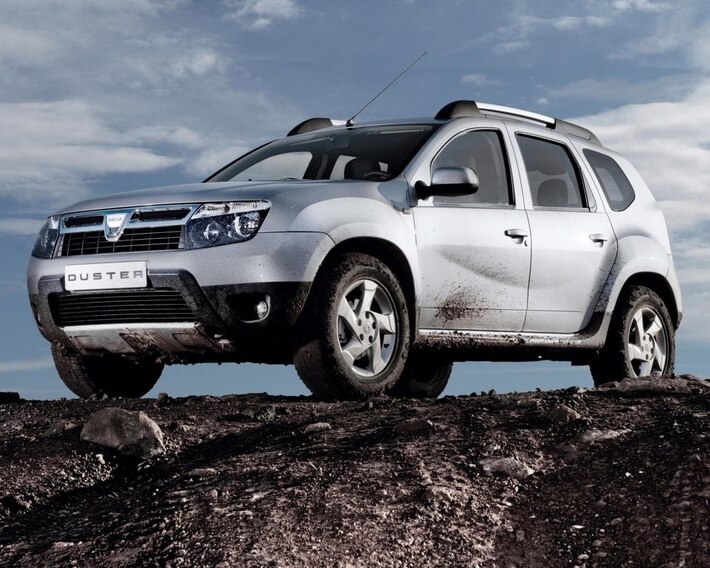
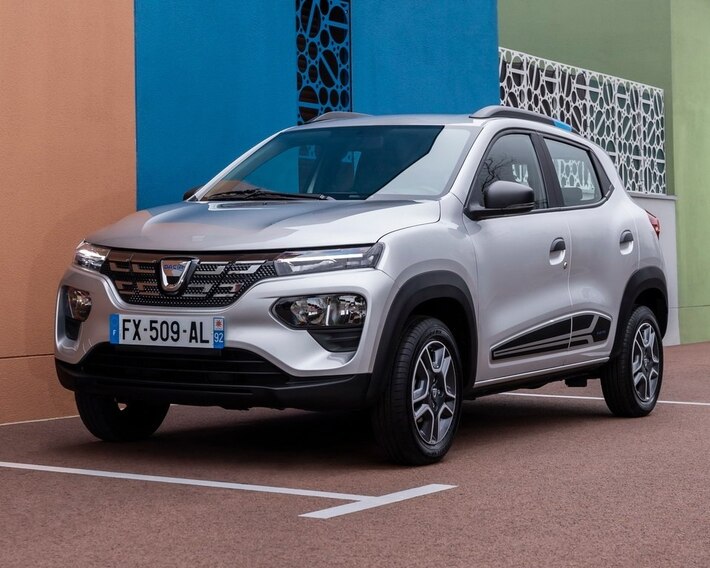
From the game-changing Logan that democratised motoring in Europe to the Duster that made affordable 4WD accessible to millions, Dacia's most iconic models tell the story of value-driven automotive innovation.
Model Lineup
Dacia's current lineup is a masterclass in focused product strategy — each model occupies a clear market position and delivers outstanding value within its price bracket.
Technology & Innovation
Dacia's technology philosophy is deliberately practical: adopt proven Renault Group technologies that deliver tangible benefits to customers rather than adopting emerging systems that add cost without proportionate value. The brand's bi-fuel LPG system, its 48V mild hybrid, and the introduction of full hybrid technology on the new Duster all demonstrate this selective, customer-focused approach to innovation.
- CMF-B platform — shared with Renault Clio and Captur, providing modern crash safety, suspension geometry, and space efficiency
- TCe 90 LPG bi-fuel — factory-fitted liquefied petroleum gas capability reduces fuel costs by 30–40% and is ideal for markets with good LPG infrastructure
- 48V mild hybrid — Duster's new eco-tech mild hybrid reduces fuel consumption and CO2 emissions without the cost premium of full hybrid systems
- Full hybrid on Bigster and Duster — Renault Group's proven 145 hp self-charging hybrid system with no external charging required
- MediaNav and YouClip — practical infotainment and phone mounting systems that prioritise usability over technological complexity
Dacia in Azerbaijan & the Caucasus
Dacia vehicles have found a natural market in Azerbaijan and across the Caucasus — a region where practical value and durability are prized, and where the brand's promise of straightforward, capable transportation resonates strongly with cost-conscious buyers. The Duster in particular has been popular among Azerbaijani buyers who want the raised ride height and optional 4WD capability of an SUV at a price comparable to a mainstream European hatchback.
Dacia's success in similar markets — including Turkey, North Africa, and Eastern Europe — provides strong precedent for the brand's relevance in Azerbaijan. The Logan's spaciousness and simple mechanicals, and the Sandero's competitive pricing, serve the practical needs of buyers across the region's diverse economic spectrum, from urban professionals seeking affordable daily transportation to rural families needing durable, maintainable vehicles.
Why Choose Dacia?
- Transparent value: Dacia consistently offers Europe's most competitive price-to-content ratios — buyers know they are getting a fair deal without hidden compromises or misleading specifications.
- Renault engineering foundation: All Dacia models are built on Renault Group platforms with Renault engines — genuine engineering quality at budget prices, not compromised cheap construction.
- Duster 4WD capability: The Duster remains the most affordable genuine 4WD SUV in the European market — real all-terrain capability at a price point where other brands offer only FWD.
- LPG dual-fuel: Factory LPG capability significantly reduces running costs in markets with good LPG infrastructure — a practical advantage unavailable on most competitors.
- Electric affordability: The Spring Electric brings battery electric motoring to buyers at price points previously available only to buyers of ICE vehicles — democratising EV ownership.
BakuWheels uses cookies to improve your experience, analyse site traffic, and personalise content. By clicking Accept All, you consent to our use of cookies. Learn more in our Cookie Policy.