Datsun
Datsun is one of the oldest and most historically significant Japanese automotive names, with roots stretching back to 1931. Known for introducing Japanese engineering to Western markets in the 1950s and 1960s and building legendary sports cars including the 240Z, Datsun was revived by Nissan in 2013 as an entry-level brand for emerging markets before being discontinued again in 2022 — leaving a rich legacy of affordable, reliable vehicles beloved worldwide.
Origins & Heritage
Datsun's story begins in 1931 when the DAT Motorcar Company of Japan released a small economy car called the "Datson" — meaning "son of DAT" and also playing on the Japanese word "dat" (meaning fast). The name was later changed to "Datsun" to replace the "son" / sun wordplay, giving the brand its lasting identity. In 1934, the Jidosha-Seizo Co. became Nissan Motor Co., and Datsun continued as the entry-level brand in the Nissan stable.
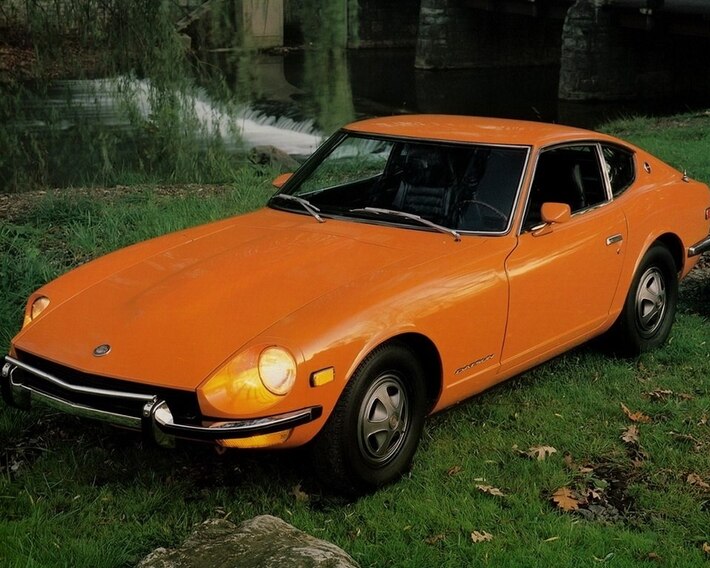
The post-war era brought Datsun its greatest achievements. In the 1950s and early 1960s, Datsun vehicles were exported to Australia and the United States, where their combination of reliability, frugal fuel consumption, and low running costs distinguished them sharply from American and British alternatives. The Datsun 510 of 1967 — praised for its independent rear suspension and European sports-saloon driving dynamics — became a cult favourite, while the Datsun 240Z of 1969 is considered one of the greatest sports cars ever made, combining Ferrari-rivalling performance with Japanese reliability at a fraction of the cost.
In 1981, Nissan phased out the Datsun name in favour of its own brand in export markets, believing a single global identity would be more powerful. The brand lay dormant for over three decades before Nissan revived it in 2013 as an ultra-value sub-brand for markets including India, Russia, Indonesia, and South Africa. This second chapter ended in 2022 when Nissan discontinued the revived Datsun brand due to weak sales and strategic repositioning.
Key Milestones
Iconic Models in Pictures
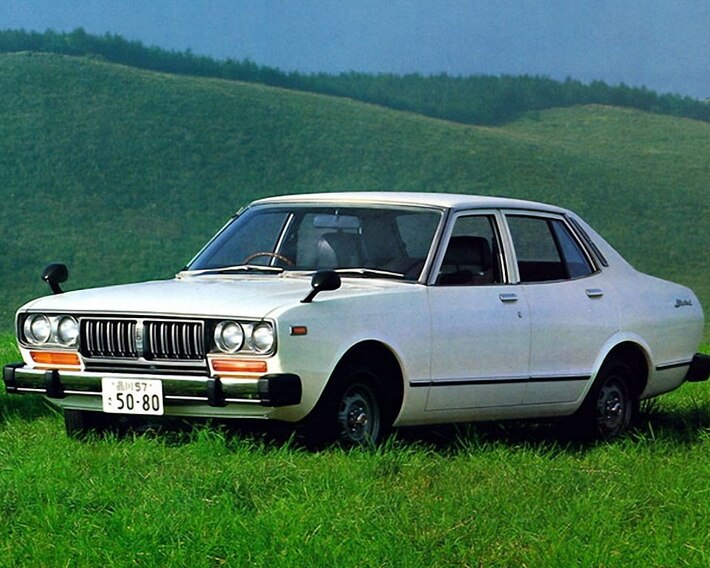
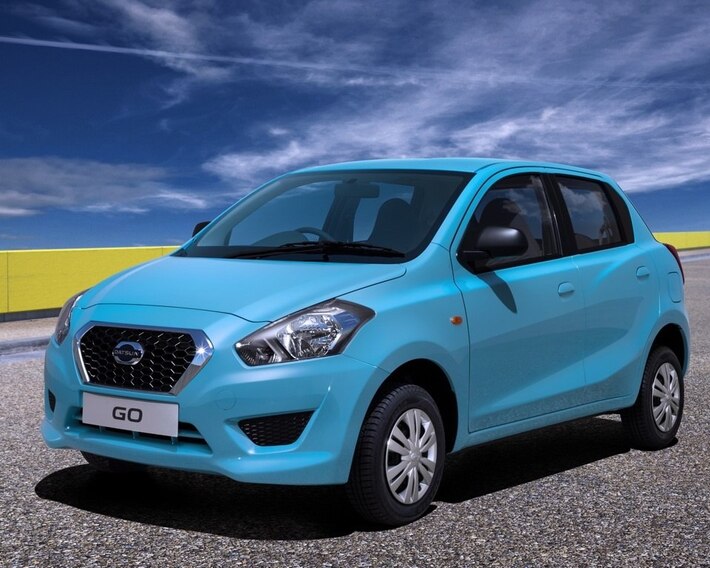
Datsun's model history spans humble economy cars that opened international markets to Japanese engineering and legendary sports cars that defined an era of accessible performance.
Notable Models
Datsun's most celebrated models span over six decades of production, from pioneering economy cars that democratised motoring to sports cars that defined an era.
Innovation & Technology
Datsun's most lasting technological contributions came in the 1960s and 1970s, when the brand consistently introduced engineering standards ahead of its price point — most notably the 240Z's long-nose sports car architecture and the 510's fully independent suspension. In the brand's 2013 revival, modern Datsun vehicles used Nissan's CMF-A platform and three-cylinder petrol engines optimised for emerging market conditions including poor fuel quality and demanding urban traffic.
- 240Z inline-six engineering — a landmark sports car drivetrain that influenced Japanese performance car development for decades
- Datsun 510 independent rear suspension — previously exclusive to premium European sports saloons, brought to the affordable mainstream
- CMF-A Nissan platform for modern Go models — engineered for emerging market durability and low-cost maintenance
- Proven Nissan reliability standards — all Datsun vehicles share Nissan's long-term quality and durability engineering DNA
- Rally pedigree — Datsun 240Z and 160J competed successfully in the East African Safari Rally, demonstrating durability in extreme conditions
Datsun in Azerbaijan & the Caucasus
Classic Datsun models — particularly the 240Z and various 1970s sedans — were imported to the Soviet Union and post-Soviet states in small numbers, and remain sought-after collector's vehicles in Azerbaijan and across the Caucasus. The Datsun name carries significant nostalgic currency among older generations who remember these Japanese vehicles as aspirational symbols of quality and reliability in an era of limited automotive choice.
The modern Datsun Go and Redi-GO models were available in Russia through the brand's 2013–2022 revival, and some examples reached Azerbaijan and neighbouring markets through the CIS distribution network. With the brand now discontinued, existing Datsun vehicles represent a segment of the used car market for buyers seeking affordable, Nissan-backed economy cars with straightforward maintenance and proven durability.
Why Choose Datsun?
- Nissan engineering heritage: All Datsun vehicles share Nissan's proven engineering platforms and quality standards at significantly lower price points.
- Legendary reliability: The Datsun/Nissan lineage is one of the most reliability-proven in automotive history, with generations of trouble-free ownership records.
- Classic car appeal: Original Datsun models — especially the Z-cars and 510 — are among the most beloved and collectible Japanese classics globally.
- Affordable ownership: Datsun vehicles — both classic and modern — have always prioritised low purchase prices and minimal running costs.
- Nissan parts compatibility: Many Datsun components are shared with or compatible with Nissan parts, ensuring long-term parts availability through Nissan's global network.
BakuWheels uses cookies to improve your experience, analyse site traffic, and personalise content. By clicking Accept All, you consent to our use of cookies. Learn more in our Cookie Policy.