

Hyperion
The American start-up redefining supercar performance through hydrogen fuel cell technology — building a machine that produces over 1,000 hp with water as its only emission.
Origins of Hyperion
Hyperion Companies was founded in 2011 in Southern California, USA, with a mission to advance hydrogen energy technology across multiple applications. The company's automotive division emerged as the most publicly visible expression of its hydrogen expertise, culminating in the XP-1 — a 1,016 hp hydrogen fuel cell hypercar unveiled in 2020 that demonstrated the performance potential of hydrogen propulsion to an automotive audience accustomed to battery electric vehicles as the only zero-emission performance option.
Hyperion's approach distinguishes it from the dominant battery electric vehicle narrative that has shaped automotive development since the early 2010s. The company argues that hydrogen fuel cells offer fundamental advantages for performance applications — faster refuelling, higher energy density by weight, and water as the only emission — that make them particularly suited to high-performance vehicles where battery weight and charging time are practical limitations. The XP-1's performance figures are designed to demonstrate that hydrogen can compete with battery EVs at the absolute performance frontier.
Beyond the XP-1, Hyperion is developing hydrogen energy infrastructure and applications across energy storage, commercial transport, and aerospace — positioning itself as a comprehensive hydrogen technology company rather than purely an automotive manufacturer. This broader ambition reflects the reality that hydrogen's greatest potential lies not in replacing the conventional passenger car but in addressing energy storage and heavy transport applications where battery technology faces fundamental limitations.
Key Milestones
Notable Models
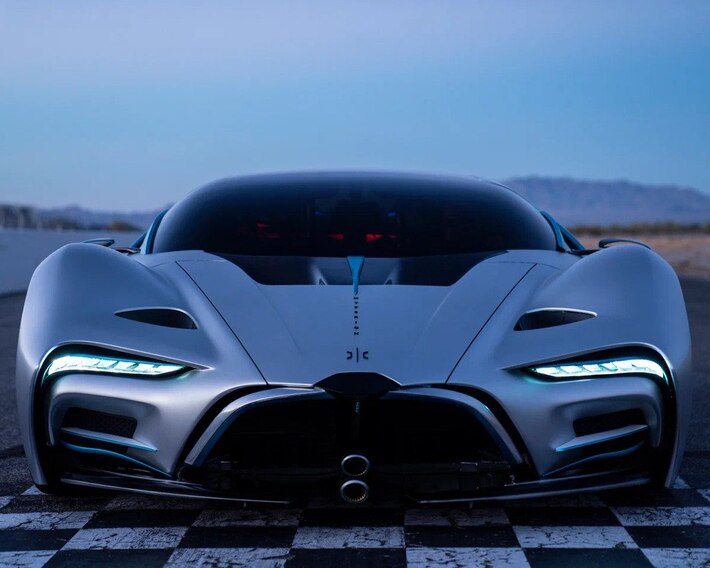
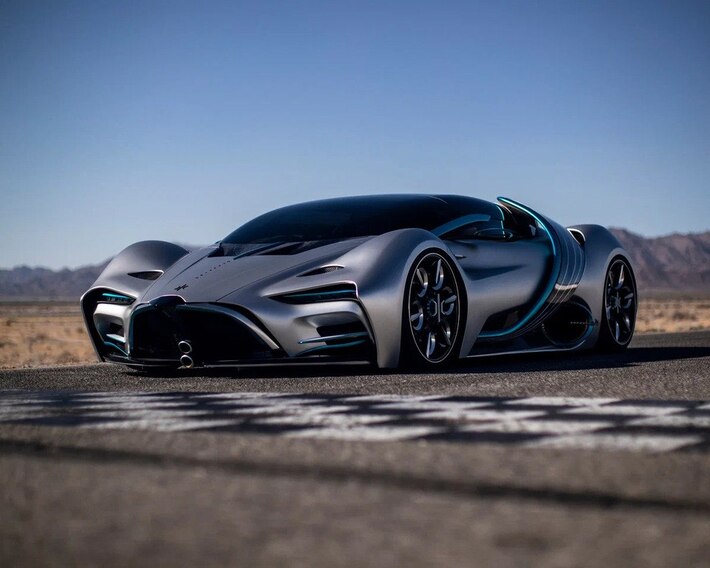
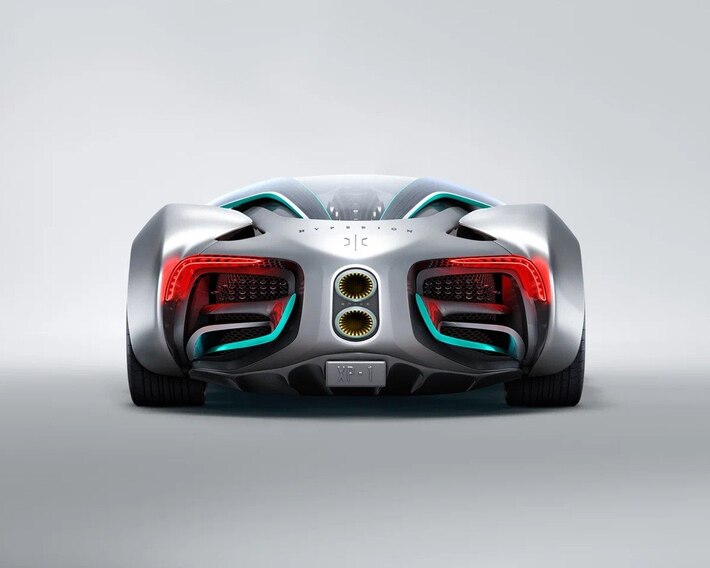
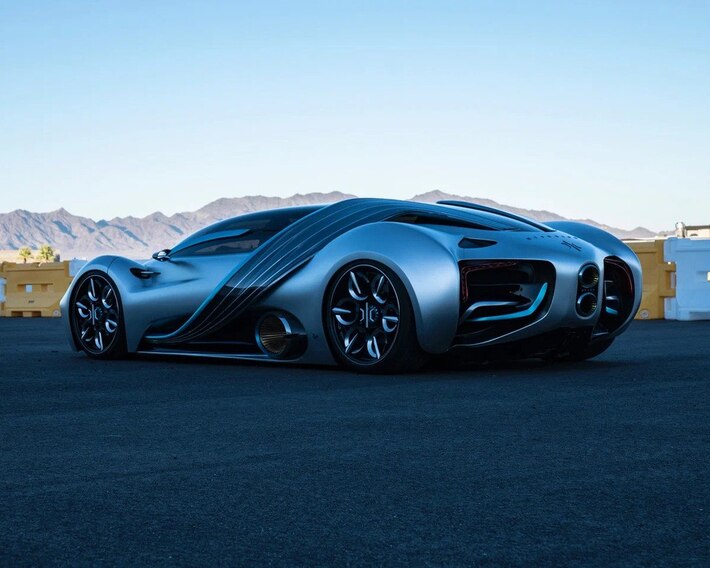
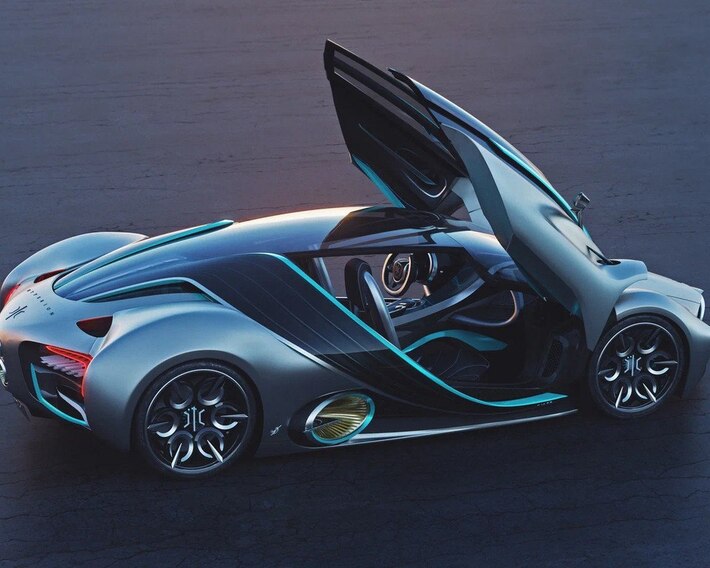
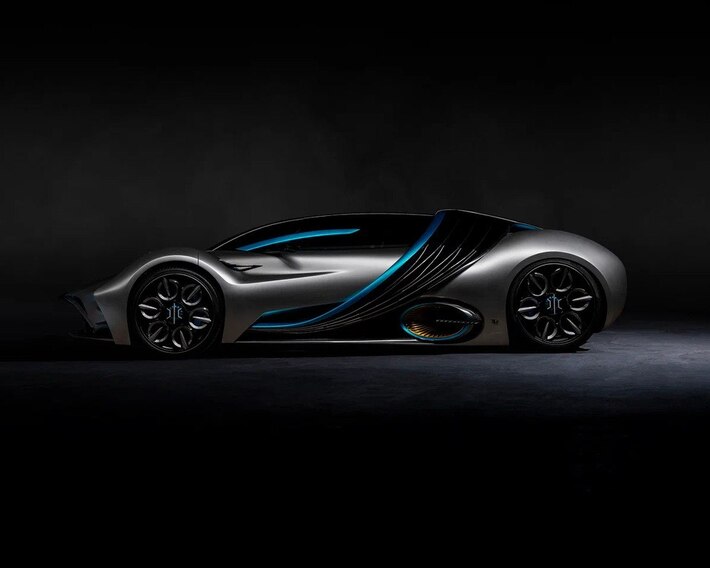
Hyperion's automotive output is currently centred on a single, extraordinary model — the XP-1 — which serves as the company's statement of hydrogen technology's performance potential.
Technology & Engineering
Hyperion's engineering centres on hydrogen fuel cell technology as an alternative to battery electric powertrains — a fundamentally different approach to zero-emission performance with distinct advantages in energy density and refuelling speed.
- Hydrogen fuel cell propulsion — generating electricity through an electrochemical reaction between hydrogen and oxygen, producing water as the only emission; the fuel cell's power output drives electric motors for performance comparable to the most powerful battery EVs
- Compressed hydrogen storage tanks designed for high-pressure hydrogen at 700 bar — enabling sufficient hydrogen storage for a claimed range exceeding 1,600 km, dramatically longer than any comparable battery EV
- Solar panel integration in rear wing and body elements — supplementing fuel cell power generation and extending range in high-sunlight conditions, a practical application of solar energy harvesting that reduces hydrogen consumption
- NASA-inspired aerodynamic body design — developed using aerospace-grade computational fluid dynamics to manage airflow for both cooling and downforce, creating a body that is simultaneously visually striking and functionally optimised
Hyperion in Azerbaijan
Hyperion vehicles have no presence in Azerbaijan, and are unlikely to do so in the near future given the nascent state of hydrogen refuelling infrastructure globally. The XP-1, produced in extremely limited numbers at prices well above €2 million, is acquired exclusively by the world's most committed performance vehicle collectors.
For Azerbaijani automotive enthusiasts, Hyperion represents the frontier of zero-emission performance technology — the argument that hydrogen, rather than batteries alone, has a role in the future of high-performance automobiles. As hydrogen infrastructure develops globally, the technology Hyperion has pioneered may eventually find broader application in vehicles accessible to a wider range of buyers.
Why Hyperion Matters
- Hydrogen performance proof of concept: The XP-1 demonstrates that hydrogen fuel cell technology can deliver supercar-class performance — countering the narrative that battery EVs are the only path to zero-emission high performance and opening dialogue about the appropriate role of different technologies in a diversified zero-emission future.
- Range and refuelling advantage: Hydrogen's fundamental advantage over battery EVs — faster refuelling and higher energy density — is most visible in high-performance applications where battery weight is a genuine performance penalty and refuelling speed is a practical limitation. Hyperion exploits these advantages to maximum effect.
- Aerospace engineering applied to automotive: Hyperion's team brings NASA and aerospace engineering principles to automotive design — a transfer of disciplines that, like Heinkel's earlier aviation-to-automotive journey, produces vehicles of exceptional technical sophistication.
- Broader energy vision: Hyperion is not purely an automotive company — its hydrogen expertise extends to energy storage and infrastructure, positioning it to benefit from the broader hydrogen economy that may develop across transport, industry, and energy storage applications in coming decades.
Iconic Models in Pictures
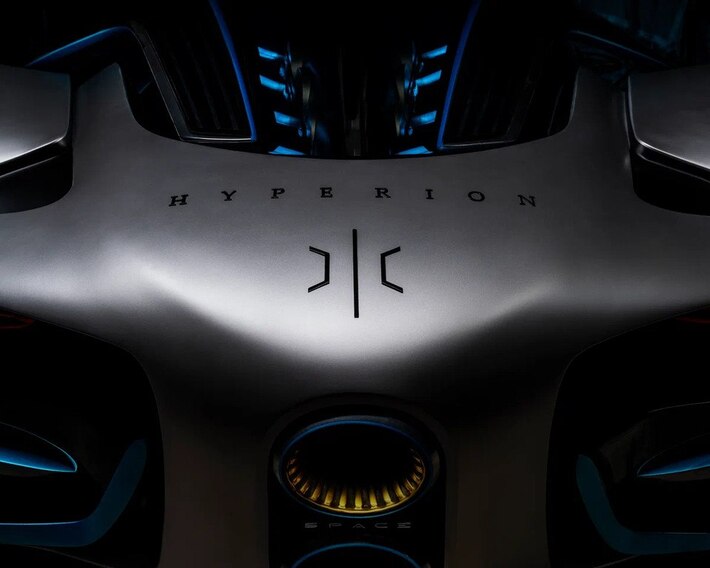
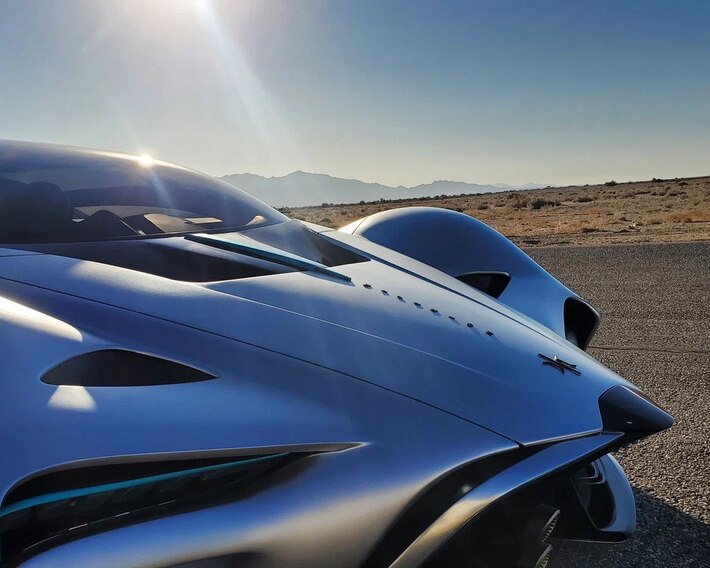
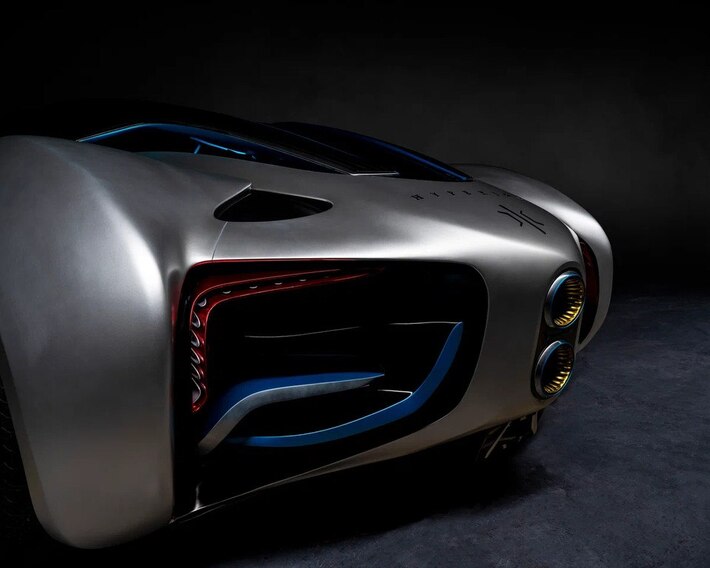
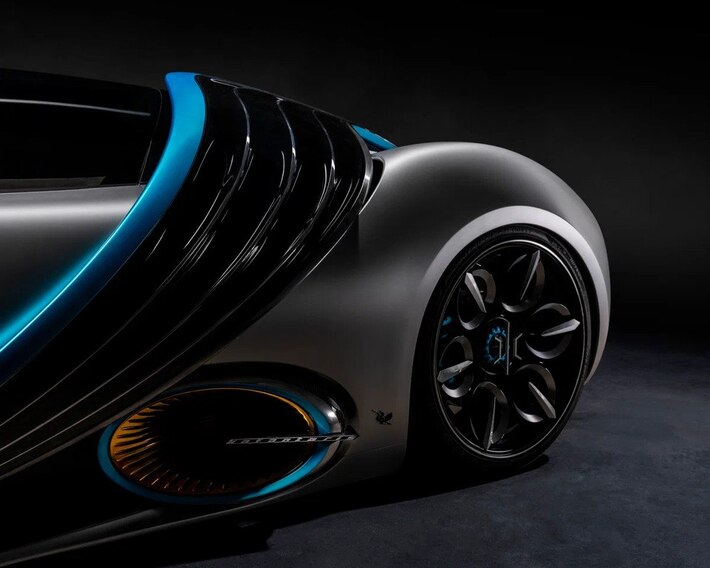
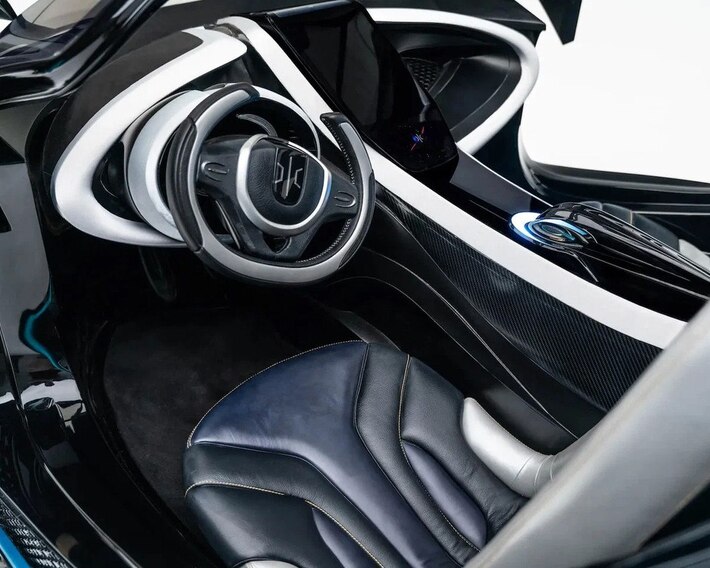
Hyperion vehicles — a visual selection of the iconic models produced by this manufacturer.
BakuWheels uses cookies to improve your experience, analyse site traffic, and personalise content. By clicking Accept All, you consent to our use of cookies. Learn more in our Cookie Policy.