
Mercedes-Benz
The three-pointed star has presided over automotive history since the very first motorcar — and for nearly 140 years, Mercedes-Benz has defined what luxury, safety, and prestige mean on four wheels.
Origins & Heritage
The story of Mercedes-Benz is, in a very real sense, the story of the automobile itself. In 1885, Karl Benz built the Benz Patent-Motorwagen in Mannheim — widely recognised as the world's first true gasoline-powered automobile. In 1886, Gottlieb Daimler and Wilhelm Maybach installed a petrol engine into a carriage in Stuttgart, independently creating a second automotive ancestor. These two inventors never met, yet their companies' merger in 1926 would produce the most storied automotive marque in history.
The Mercedes name itself carries a romantic origin: Emil Jellinek, a wealthy Austro-Hungarian diplomat and racing enthusiast who became the brand's most important early sales agent, insisted on naming the new 1901 Daimler racing car after his daughter, Mercedes. The car's technical superiority at the Nice Race Week of 1901 made 'Mercedes' synonymous with automotive excellence almost overnight.
The 1926 merger of Benz & Cie with Daimler Motoren Gesellschaft created Daimler-Benz AG. The three-pointed star — Daimler's logo symbolising motorisation of land, sea, and air — became the hood ornament of choice for heads of state, business leaders, and discerning drivers worldwide.
Key Milestones
Iconic Model Lineup
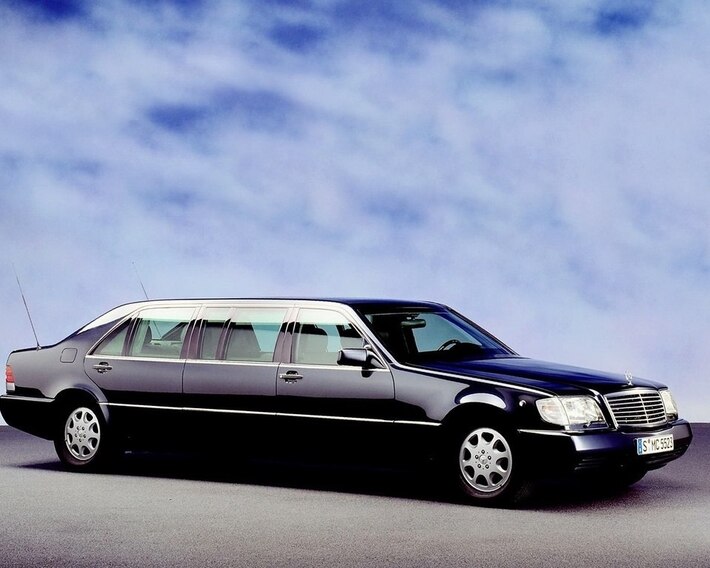
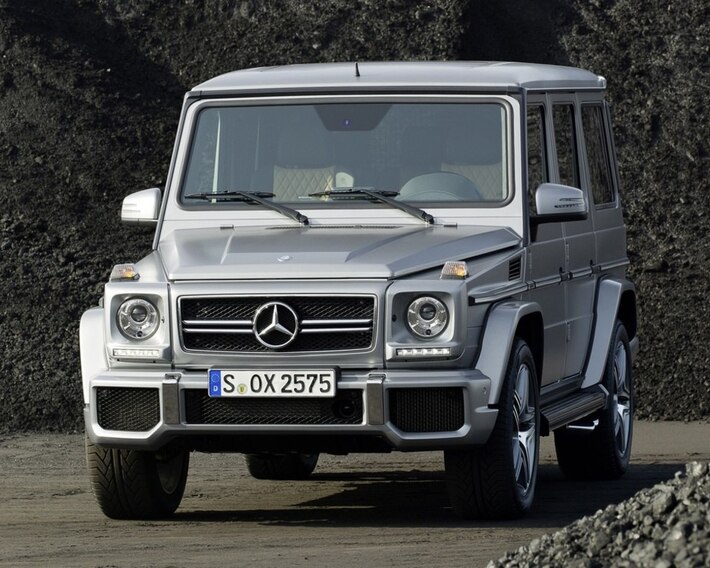
Mercedes-Benz structures its range across letters (A through S) representing size segments, supplemented by the G-Class off-roader, the AMG performance division, the EQ electric sub-brand, and the pinnacle Maybach ultra-luxury models. The S-Class remains the flagship — a rolling laboratory where almost every safety and comfort innovation has been introduced first.
Iconic Models in Pictures
The S-Class, the G-Class, and the AMG GT represent the full sweep of Mercedes-Benz ambition — from boardroom limousine to thundering supercar to unstoppable off-road legend.
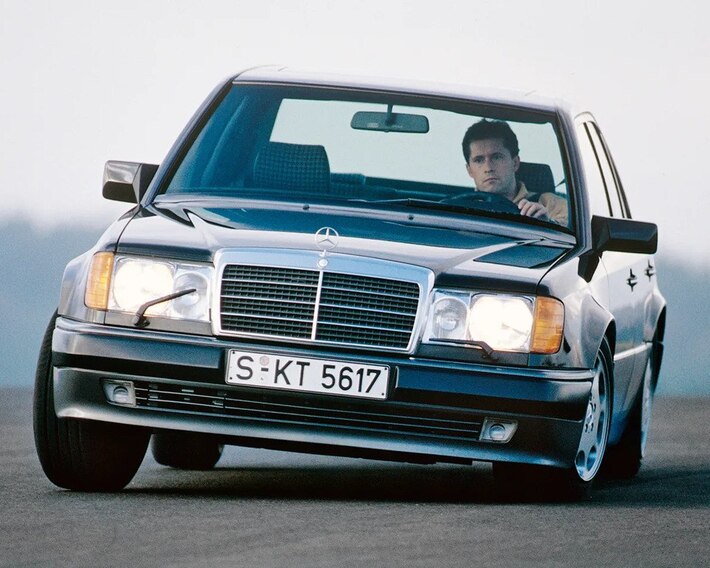
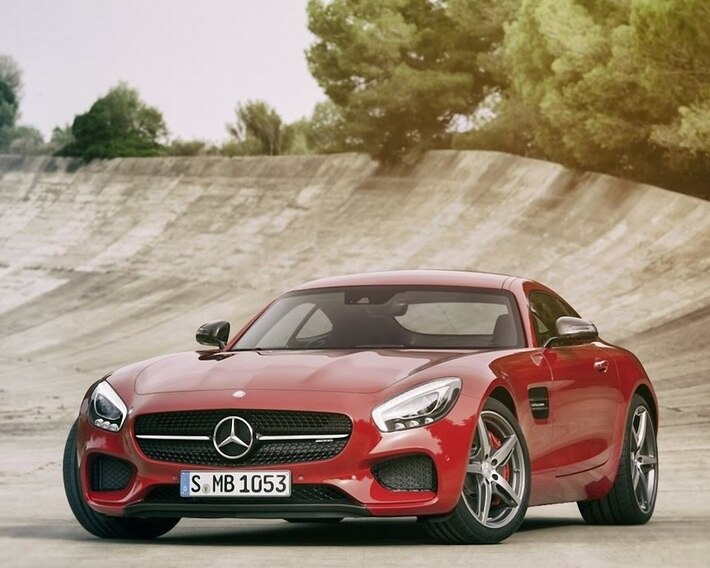
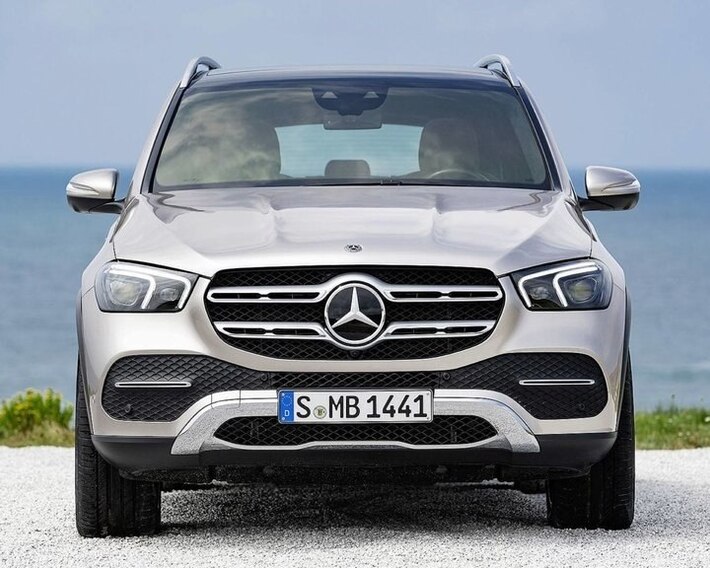
Safety Legacy — Protecting Lives for a Century
No other automotive manufacturer has contributed more to road safety than Mercedes-Benz. The company's internal safety research division, founded in 1969, has produced a staggering catalogue of life-saving technologies, many of which were gifted to the wider automotive industry rather than patented exclusively.
The crumple zone, patented in 1951 by Béla Barényi, transformed crash physics by allowing controlled deformation of the front and rear of the vehicle. ABS (1978), airbags (1981), ESP (1995), Pre-Safe (2002), and Drive Pilot (2022 — the world's first legally approved Level 3 autonomous driving system on public roads) form a safety innovation timeline that reads like a history of the automotive century.
- Crumple zone (1951) — still the foundational concept behind all modern crash-safety engineering
- ABS (1978) — first production car anti-lock braking, co-developed with Bosch
- Electronic Stability Program / ESP (1995) — now legally mandated in the EU, US, and Australia
- Pre-Safe (2002) — predictive occupant protection that pre-tensions seatbelts before a detected imminent collision
- Drive Pilot (2022) — SAE Level 3 conditional automation, legally approved for use on German Autobahns
- Active Brake Assist — autonomous emergency braking capable of bringing the vehicle to a full stop at highway speeds
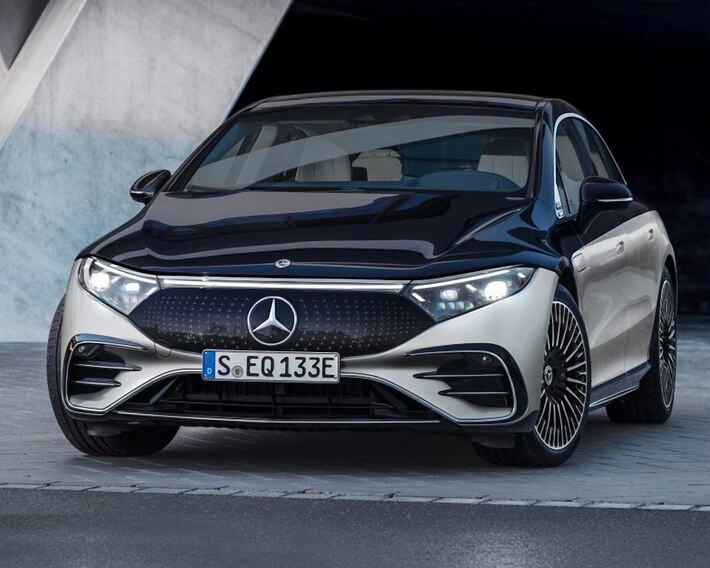
EQ — Electrifying the Three-Pointed Star
Mercedes-Benz launched its dedicated EQ electric sub-brand in 2016. The EQS, launched in 2021, immediately set new benchmarks in electric luxury with a drag coefficient of 0.20 Cd — the slipperiest production car ever made — enabling a 770 km WLTP range from a 107.8 kWh battery pack.
The MBUX Hyperscreen — a 141 cm curved OLED unit spanning the entire dashboard — delivers an immersive digital cockpit with AI that learns driver preferences and proactively suggests navigation, music, and climate adjustments.
Mercedes-Benz in Azerbaijan
Mercedes-Benz occupies the apex of aspirational vehicle ownership in Azerbaijan. The E-Class and S-Class sedans, along with the GLE and GLS SUVs, are the vehicles of choice for senior government officials, corporate executives, and affluent Baku residents. The G-Class — particularly in AMG trim — has become a cultural status symbol in Baku's upscale neighbourhoods.
The authorised Mercedes-Benz dealerships in Baku provide full manufacturer warranty coverage, certified pre-owned programmes, and access to the brand's global Mercedes me digital ecosystem. Demand for AMG performance models and EQ electric vehicles is growing steadily.
Why Choose Mercedes-Benz?
- Safety leadership: The inventor of the crumple zone, ABS, ESP, airbags, and Level 3 autonomous driving — safety is not a feature, it is the brand's founding purpose.
- Interior quality: Hand-stitched leather, ambient lighting with 64 colours, Burmester 3D surround sound — the cabin experience is unmatched in volume production.
- Residual values: Among the strongest in the premium segment globally, driven by strong brand desirability and the enduring appeal of the three-pointed star.
- AMG performance: Every model is available with AMG upgrades — from mild cosmetic enhancement to full hand-built 630+ hp race-derived engines.
- Electric range: EQ sub-brand offers genuinely long-range EVs with luxury refinement — no range anxiety at the top of the market.
- Prestige and brand heritage: 140 years of automotive history, royal warrants, and a customer base that includes royalty, heads of state, and industry leaders worldwide.
BakuWheels uses cookies to improve your experience, analyse site traffic, and personalise content. By clicking Accept All, you consent to our use of cookies. Learn more in our Cookie Policy.