

Oltcit
Oltcit was Romania's Citroën joint venture — producing small front-wheel drive hatchbacks that brought French automotive engineering to Eastern Europe during the Communist era.
Origins & History
Oltcit was the result of a remarkable agreement between the Socialist Republic of Romania and the French automaker Citroën — one of the few Western automotive joint ventures with a Communist-bloc country during the Cold War era. The joint venture company, established in 1976, built a modern automotive factory in Craiova, in the Oltenia region of southern Romania, with the ambition of producing a modern, fuel-efficient small car suitable for both domestic Romanian consumption and export to Western markets.
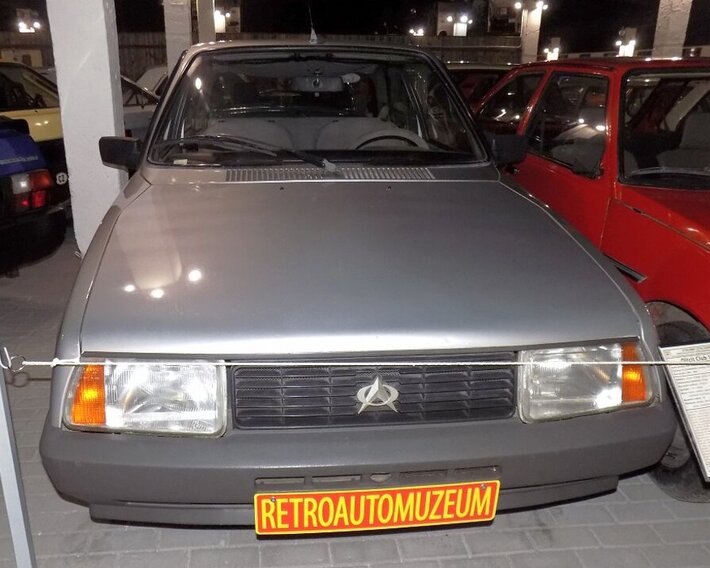
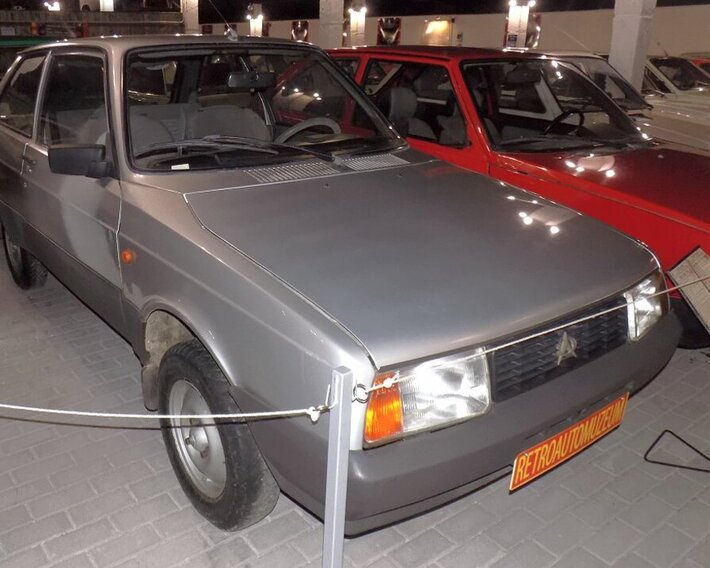
The car produced at Craiova — the Oltcit Club — was based on the Citroën Axel, a small front-wheel drive hatchback with technical characteristics typical of Citroën's approach: front-wheel drive, torsion bar suspension, and an emphasis on ride comfort over sportiness. The Romanian factory produced the car with local content to satisfy Romanian government requirements, while the Citroën partnership ensured access to modern manufacturing technology and quality standards.
After the fall of Romanian Communism in 1989, the Oltcit brand was discontinued and the Craiova factory was reorganised. The facility eventually became one of the most significant automotive manufacturing sites in Romania, and was later acquired by Ford to produce the Ford B-Max and other models. The Oltcit name thus passed into history, but the Craiova factory it created continues as an important part of the Romanian industrial landscape.
Key Milestones
Notable Models
Oltcit produced a relatively narrow range of vehicles based on Citroën technology, focused on practical small hatchback transportation for the Romanian domestic market and export.
Technical Heritage
Oltcit's technical specifications reflected Citroën's engineering philosophy of the 1970s — emphasising ride comfort, front-wheel drive practicality, and efficient engines over the sporting performance favoured by some European competitors.
- Front-wheel drive layout — Citroën's characteristic front-wheel drive configuration provided better traction and interior space efficiency than the contemporary Dacia models produced in Romania, representing a genuine technical advance for Romanian motorists
- Torsion bar suspension — Citroën's expertise in suspension design produced a car with notably better ride quality than most competitors in the small car segment, absorbing Romanian road surfaces with characteristic French smoothness
- Modern manufacturing technology — the Craiova factory was equipped with contemporary Western manufacturing equipment as part of the Citroën partnership, producing cars to quality standards that exceeded what Romanian industry had previously achieved
- Compact engine efficiency — the air-cooled and water-cooled small engines used in the Oltcit Club were chosen for their fuel efficiency and durability, important qualities in an era of energy scarcity and limited Romanian fuel supply infrastructure
Oltcit in Azerbaijan
Oltcit vehicles are extremely rare in Azerbaijan — the brand sold primarily in Romania and in a limited number of Western European export markets during its active production period. Any Oltcit surviving in the South Caucasus region would be an unusual historical curiosity.
For Azerbaijani automotive historians and enthusiasts, Oltcit represents a fascinating chapter in Eastern European automotive history — the story of how Romania managed to establish a genuine partnership with a prestigious Western automaker during the Cold War, producing a car that was genuinely more modern than most of its Eastern Bloc contemporaries.
Why Oltcit Matters
- East-West automotive bridge: Oltcit represented one of the most successful Cold War-era partnerships between a Western automotive manufacturer and an Eastern European Communist state — a commercial and technical achievement that influenced how other Eastern Bloc countries approached automotive development.
- Romanian industrial heritage: The Craiova factory created by the Oltcit joint venture became one of Romania's most important industrial assets — eventually becoming a Ford production facility and demonstrating the lasting value of the original investment.
- Front-wheel drive pioneer in Romania: Oltcit brought front-wheel drive technology to Romania's car buyers at a time when the dominant Dacia models used rear-wheel drive — a genuine technological advance for Romanian motorists.
- Cold War automotive diplomacy: The negotiations that created Oltcit involved complex interactions between French commercial interests, Romanian government ambitions, and the constraints of Cold War geopolitics — making it one of the most politically interesting automotive joint ventures of the 20th century.
Iconic Models in Pictures
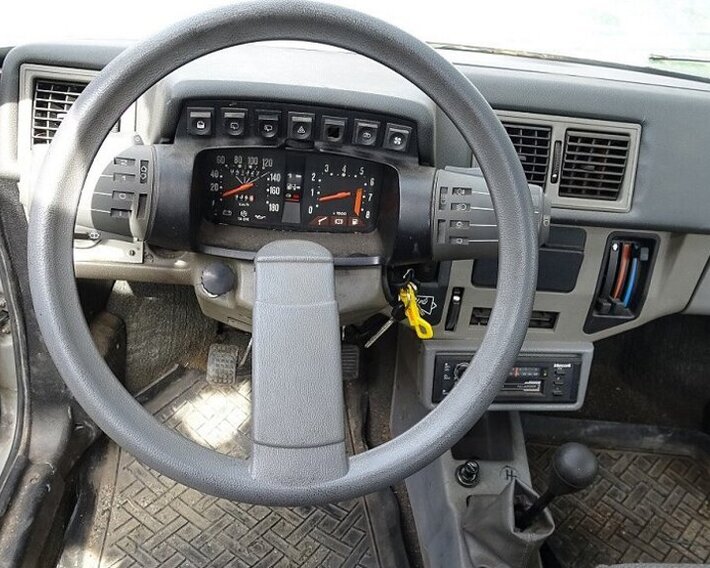
Oltcit vehicles — a visual selection of the iconic models produced by this manufacturer.
BakuWheels uses cookies to improve your experience, analyse site traffic, and personalise content. By clicking Accept All, you consent to our use of cookies. Learn more in our Cookie Policy.